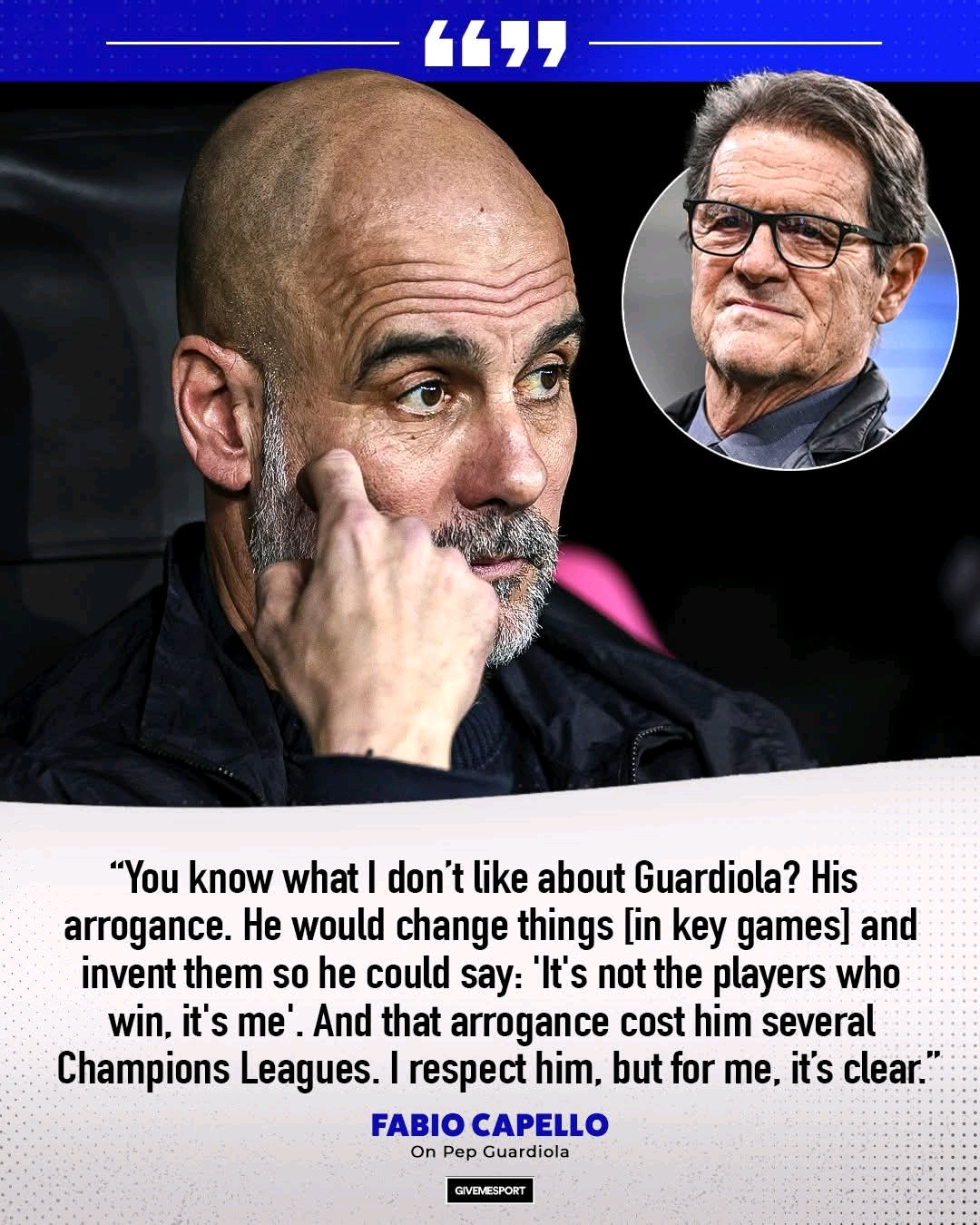
The football world was left stunned on Wednesday night as Manchester City suffered a humiliating 3-0 defeat at the hands of Real Madrid at the Santiago Bernabéu Stadium in the first leg of their UEFA Champions League Round of 16 tie. What was expected to be a confident showing from Pep Guardiola’s men quickly turned into a nightmare, exposing vulnerabilities that few had anticipated in the Cityzens’ usually impenetrable setup. The Spanish giants, operating under the interim management of former defender Álvaro Arbeloa, had clearly capitalized on the slightest of weaknesses, with Federico Valverde producing a sensational hat-trick before the halftime whistle, leaving City with their largest defeat of the season and Guardiola facing intense scrutiny.
The stage was set for a dramatic clash. Manchester City had traveled to the Bernabéu with confidence. The Catalan tactician, known for his meticulous planning and tactical genius, had believed that this would be the perfect opportunity to exploit Real Madrid’s ongoing struggles during the season. Los Blancos had been hit by injuries and internal unrest, and with Xabi Alonso having been dismissed as coach earlier in the year, many expected a wobble from the reigning Spanish champions. Arbeloa’s interim charge, though promising, was seen by many as a temporary solution, making City the favorites on paper.
Yet, football is never played on paper alone. From the first whistle, it became painfully clear that this game would not go as planned for Guardiola’s side. While City had dominated possession early on, the lack of sharpness, coordination, and composure under pressure quickly became evident. What should have been routine build-up play turned into chaos, and the decisions that Guardiola had made regarding his starting lineup became the subject of fierce debate immediately after the match.
Central to the criticism were two of Guardiola’s January signings: Marc Guehi and Antoine Semenyo. Both players had been brought in with high expectations. Guehi, the £20 million acquisition from Crystal Palace, was seen as a long-term defensive reinforcement, while Semenyo had arrived from Bournemouth for £64 million following an impressive run of form in England’s top flight. These two marquee signings were supposed to strengthen City’s squad for both domestic and European campaigns. Instead, their performances were described by fans and pundits as “embarrassing,” “uninspiring,” and a stark reminder of the gulf between domestic football and the intensity of the Champions League.
Guehi’s defensive debut at the Bernabéu proved catastrophic. From the outset, he looked nervous, misjudging positioning and failing to assert authority in crucial situations. Dribbled past multiple times, he won only one of his six ground duels, and each error seemed to invite further pressure on City’s backline. Semenyo, on the other hand, struggled to link up with the team’s attacking rhythm. The Ghanaian forward is normally known for dictating play and making decisive contributions, yet in this match, he appeared isolated and unable to create chances for the lethal Erling Haaland up front. The duo’s inexperience in European competitions, combined with Guardiola’s decision to trust them in such a high-stakes environment, was widely criticized.
Social media erupted in response. Fans and football pundits were quick to voice their dissatisfaction. Comments such as, “Guehi and Semenyo are not up to Champions League standard. Rubbish from Pep!” and “Giving Semenyo and Guehi debuts at the Bernabéu was embarrassing” highlighted the sense of frustration. Even some neutral observers were shocked at the lack of cohesion and control displayed by the Cityzens. The perception that Guardiola had mismanaged his squad, particularly the new signings, was now dominating headlines across Europe.
This defeat has forced Guardiola to confront uncomfortable truths about his squad. While City remains one of the strongest sides in world football, the Champions League consistently tests teams in ways that domestic competitions do not. The pace, intensity, and tactical sophistication of European nights demand more than talent; they require experience, composure, and mental resilience. Guardiola’s gamble with Guehi and Semenyo may have backfired, but it also exposed areas that need urgent attention before the return leg at the Etihad Stadium.
The implications extend beyond the immediate loss. City, who had remained unbeaten in 11 consecutive matches since January, now face a monumental task to reach the quarter-finals. While history provides some hope—recall City’s stunning 4-0 victory over Real Madrid on the road during their treble-winning campaign of 2023—reproducing such a result under these circumstances will be extremely challenging. The mental fortitude of the squad will be tested, and Guardiola must find ways to reinvigorate his players while addressing tactical deficiencies.
Haaland, in particular, emerges as a key figure in any potential comeback. Despite scoring 22 goals in 28 Premier League games, the Norwegian has struggled in recent matches to maintain his usual clinical edge. His absence from the scoresheet in all competitions since early February has coincided with Guardiola’s attempts to rotate the attacking setup, trying combinations with Semenyo and Omar Marmoush. While these changes have occasionally yielded exciting attacking football, they have not produced the kind of dominance required against top European sides. Haaland’s fitness, confidence, and positioning will be critical in determining whether City can overturn the deficit in front of their home fans.
Equally important will be Guardiola’s tactical adjustments. City’s 4-3-3 formation, typically fluid and dominant, seemed disjointed against Real Madrid. The spacing between midfield and attack was inconsistent, and defensive transitions were slow, allowing Valverde and his teammates to exploit gaps repeatedly. Analysts are already debating how Guardiola might recalibrate his approach, whether by bringing in more experienced European performers, tightening defensive structures, or adjusting pressing strategies to control the game more effectively. Every tactical choice will be magnified in the second leg, as a single lapse could undo months of meticulous preparation.
Beyond tactics and personnel, the psychological impact of the defeat cannot be understated. Losing 3-0 on such a prestigious stage can affect confidence and team morale. Guardiola is known for his motivational abilities, but even the best managers can find it challenging to lift players after a humiliating loss. The pressure will now shift to the players themselves to respond, rediscover their composure, and demonstrate resilience in front of a demanding Etihad crowd.
Off the pitch, the media and fan scrutiny has intensified. Every decision Guardiola makes will now be examined for potential flaws. The debate surrounding his retirement, long simmering in football circles, has resurfaced following this match. Questions about whether he has the energy to continue managing at the highest level, or if he might need a break, are now being raised. The timing of this criticism adds an additional layer of pressure, making the upcoming weeks decisive not just for City’s Champions League campaign but for the manager’s legacy as well.
Looking ahead, Manchester City face a complex schedule. Balancing domestic league responsibilities with the urgent need to overturn a European deficit will test the squad’s depth. Matches against rivals like Arsenal F.C., high-pressure cup fixtures, and the return leg against Real Madrid will demand physical stamina, mental sharpness, and tactical intelligence. Guardiola must carefully manage rotations, ensuring that key players like Haaland, Rodri, and Rúben Dias remain fit and ready for decisive moments.
For Real Madrid, the victory represents a statement of intent. Despite operating with an interim manager, they demonstrated the kind of clinical efficiency and composure that defines elite teams. Valverde’s hat-trick was not just a personal triumph but a symbolic indicator that even a team in transition can exploit weaknesses in opponents when opportunities are seized. The Bernabéu, known for its intimidating atmosphere, played a crucial role, amplifying the pressure on City’s less experienced players.
City now have a monumental task in the return leg. To overturn a 3-0 deficit, they will need a performance reminiscent of their 2023 Champions League heroics. Haaland must regain his deadly finishing touch, the midfield must dictate tempo and prevent counter-attacks, and the defense must hold firm against one of Europe’s most potent attacking sides. Guardiola’s ability to manage personalities, motivate players, and make real-time tactical adjustments will be tested like never before.
The fallout from this match extends to Guardiola’s transfer strategy. Critics argue that relying on untested players like Guehi and Semenyo in high-pressure European games reflects a miscalculation. Questions will be asked about whether City need additional proven European experience in their squad to supplement domestic talent. The lessons from this night could shape City’s transfer decisions in the summer, influencing which players are targeted and how Guardiola balances youth development with the immediate demands of elite competition.
In conclusion, Manchester City’s 3-0 defeat at the Bernabéu is more than just a bad night; it is a critical moment in their season. It has highlighted squad vulnerabilities, raised questions about tactical choices, and put Guardiola’s managerial approach under scrutiny. The pressure now shifts to the return leg, where City must demonstrate resilience, adaptability, and determination to salvage their Champions League ambitions. Every touch, every pass, and every decision will carry weight, and the outcome could define not only their European campaign but the perception of one of football’s most celebrated managers.
As fans around the world anticipate the next chapter, one thing is certain: Manchester City face a mountain to climb. Their response will test the team’s character, the manager’s ingenuity, and the club’s enduring ambition to remain at the pinnacle of European football. The Bernabéu defeat will be remembered as a turning point, a wake-up call, and potentially the catalyst for an extraordinary comeback that could once again redefine the limits of possibility in football.