Marc Guehi reacts to his costly error after racist and abuse comments, sends message to Man City fans

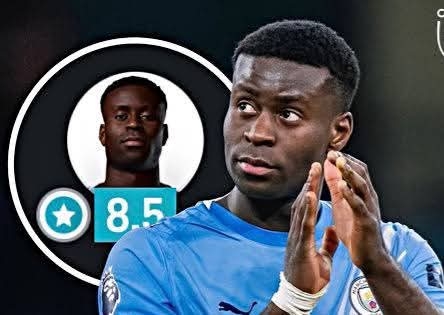
The night was supposed to be just another intense football battle, another game filled with pressure, passion, and expectations. But for Marc Guehi, it became something much bigger, something heavier than just football. One moment, one mistake, and everything changed. The stadium that once echoed with cheers slowly turned into a place of tension, frustration, and harsh reactions. And when the final whistle blew, it was not just about the result anymore. It was about a young player standing in the middle of a storm he never expected to face.
The mistake happened so quickly. Football is a game of seconds, sometimes even less than that. One wrong touch, one misjudged pass, one moment of hesitation, and the consequences can be massive. Guehi knew it immediately. The instant it happened, he felt it. The kind of feeling that drops deep into your stomach, the kind that tells you something has gone wrong before anyone else even reacts. The crowd reacted next. Then the players. Then the fans watching around the world.
At first, it was just disappointment. That is normal in football. Fans react, emotions run high, and players understand that comes with the game. But what followed after the match was something far more serious. Social media exploded. Messages flooded in. And not all of them were about football.
Instead of just criticism about his performance, the comments turned ugly. Abuse started pouring in, and among them were racist messages that crossed every line. Messages that had nothing to do with football, nothing to do with the mistake, and everything to do with hate. It was a painful reminder that despite all the progress football has made, there are still moments where the game is overshadowed by something darker.
For Guehi, this was not easy to handle. He is still a young player, still growing, still learning. Mistakes are part of football. Every great defender has made them. Every legend has had moments they wish they could take back. But dealing with abuse, especially of that nature, is something no player should ever have to go through.
After some time, Guehi decided to speak. Not immediately, not in anger, but with calmness and strength. His message was not just about defending himself. It was about standing up against something bigger than football. He spoke honestly about how he felt. He did not hide the pain, but he also did not let it break him.
He admitted the mistake. That is something that takes courage. Many players try to avoid it, try to shift focus, but Guehi faced it directly. He said he knew he made an error, and he took responsibility for it. He understood how much it meant to the fans, how much every game matters, especially at this stage of the season where every point can change everything.
But then he addressed the abuse. He made it clear that while criticism is part of the game, racism is not. There is a clear difference between fans being upset about a mistake and crossing into something that should never be accepted anywhere, not in football, not in society.
His words were powerful but simple. He called for respect. He called for unity. He reminded everyone that behind the player is a human being. Someone who feels, someone who works hard every single day, someone who wants to win just as much as the fans do.
What made his message even more emotional was how he still thought about the supporters. Instead of reacting with anger, instead of pushing people away, he reached out. He sent a message to the fans, especially those affected by the result. He apologized for the mistake, showing how much he cares. He promised to learn from it, to come back stronger, to keep fighting for the badge.
This is what football is about. Not perfection, but resilience. Not never falling, but always getting back up.
Inside the dressing room, his teammates stood by him. They understood. Footballers know how quickly things can change. Today it is one player, tomorrow it could be another. They reminded him that he is not alone. That one moment does not define him. That his quality, his talent, and his character are still there.
The manager also played a big role. Instead of blaming, instead of adding pressure, he supported Guehi. He spoke about trust. About how mistakes are part of the journey. About how important it is for players to feel backed, especially in difficult moments like this.
Fans also began to respond. While the negative voices were loud at first, many others stepped forward to show support. Messages of encouragement started to grow. People reminded everyone that football should never be a place for hate. That players deserve respect, no matter what happens on the pitch.
This situation once again opened a bigger conversation about racism in football. It is not a new issue. It has been there for years. Campaigns have been created, players have taken stands, organizations have made promises. And yet, moments like this show that there is still work to be done.
Guehi’s response became more than just a reaction to one incident. It became a statement. A reminder that players will not stay silent. That they will continue to speak out. That they will not accept abuse as part of the game.
For young fans watching, this was an important lesson. They saw a player take responsibility for his mistake, but also stand strong against injustice. They saw maturity, courage, and dignity. The kind of example that goes beyond football.
The next game will come. That is how football works. There is always another match, another chance, another opportunity to make things right. Guehi knows this. He knows that the best way to respond on the pitch is with performance. With focus. With determination.
But even before that next game, he has already shown something important. He has shown character. The kind that cannot be measured by goals or tackles. The kind that defines a player’s true strength.
As the days pass, the noise will slowly fade. The headlines will change. New stories will come. But moments like this leave a mark. Not just on the player, but on the game itself.
The hope now is that something positive comes from it. That people learn. That attitudes change. That the next time something like this happens, the reaction is different. Better. More respectful.
Football is a beautiful game. It brings people together from different backgrounds, different cultures, different parts of the world. It should be a place of unity, not division.
Marc Guehi’s message reminded everyone of that. Even in a moment of personal disappointment, he chose to stand for something bigger. He chose to respond with strength instead of anger, with dignity instead of hate.
And that is what makes this story more than just a breaking news headline. It is a story about resilience. About standing tall when everything around you feels heavy. About refusing to let negativity define you.
For the fans, for the players, for everyone who loves the game, this is a moment to reflect. To remember what football should represent. To support those who need it. To speak out against what is wrong.
Guehi will move forward. He will learn. He will improve. And he will continue to play with the same passion that brought him to this level.
Because in football, just like in life, it is not about never making mistakes. It is about how you respond when you do.