Opportunity missed, ace calamity and summer signing’s true arrival – three things we spotted in Dundee 1-1 Rangers

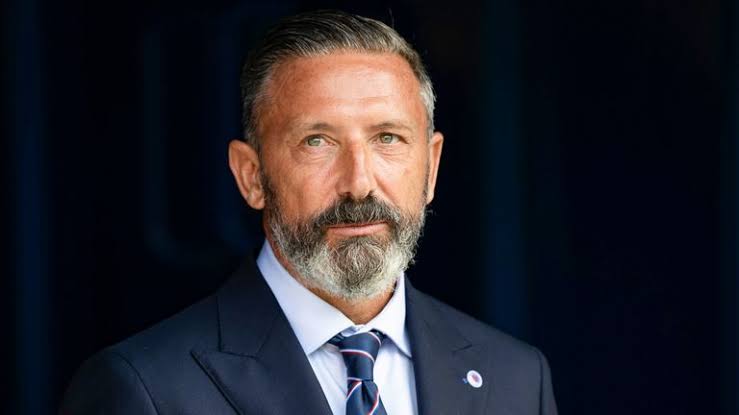
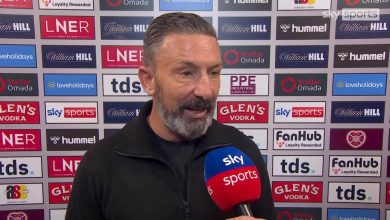
Rangers travelled to Tayside on Saturday night knowing that three points would take them to the top of the Scottish Premiership, at least until Celtic faced Hearts the following day. They came home with a draw instead, a result that left Derek McInnes frustrated and left a handful of talking points behind. Three things stood out from a pulsating contest: a golden chance that slipped away, a costly moment from the captain, and the arrival of a summer signing who finally looked the part. Each deserves a closer look, because together they explain why a match Rangers controlled for long spells ended with the sense that something had been lost.
The most obvious point is the opportunity itself. Rangers had won seven games in a row, and a victory at Dens Park would have extended that run while moving them above their city rivals in the table. That would not have been a decisive moment in a title race that still has a long way to go, but it would have been a statement, and it would have put pressure on Celtic before they played on Sunday. The league is tight, the margins are small, and results against the teams outside the top two will ultimately decide how far this Rangers side can go. Wins over Celtic have given McInnes’s team a genuine chance in the race, but they only matter if they are backed up by results like this one, and on Saturday Rangers failed to do that.
It is fair to say that Dundee made life uncomfortable from the first whistle. Steven Pressley’s side pressed aggressively, competed for every second ball and brought a physical edge that Rangers struggled to handle in the first half. They created chances, with Ash Hay’s header from a corner crashing against the crossbar and Joe Bevan having a clear opportunity after a quick counterattack. The home side had the better of the early exchanges, and McInnes said afterwards that he thought Dundee had probably shaded that period. That honesty is typical of the manager, but it also points to a deeper problem. Rangers arrived expecting to impose themselves, and for the opening forty-five minutes they were the ones reacting.
Fink’s goal in the thirty-seventh minute was the product of that pressure. A long ball that should have been dealt with routinely caused confusion in the Rangers defence, and the striker took advantage with a composed finish. It was a deserved lead, and it came from a defensive mix-up rather than from a sustained passage of attacking play. That detail matters, because it fits a pattern. Both Dundee goals came from avoidable errors rather than from the kind of intricate build-up that a defence can do little about. Rangers will take no comfort from that, since mistakes are easier to correct than a lack of quality, but they will also know that they handed Dundee the opportunities that kept the home crowd believing.
Then came the best five minutes of Rangers’ evening. With Dundee ahead and the atmosphere building, Badredine Bouanani took the ball, moved infield and curled an unstoppable strike into the top left-hand corner of the net. It was his first goal in a Rangers shirt, and it arrived at exactly the right time, five minutes after Dundee had scored and before the interval could settle the contest in the hosts’ favour. James McFadden, commentating, described it as unstoppable, and that seems a fair summary. The finish had power, accuracy and a hint of arrogance, the kind of moment that tells a supporter a player has arrived. For a team that had been struggling to find an answer to Dundee’s pressure, it was a timely and welcome reminder of what individual quality can do.
That goal is the second of the three things worth noting, because it feels like the true arrival of a summer signing. Bouanani has spent much of the season waiting for his chance, coming off the bench in several matches and making only a handful of starts. He has shown flashes of quality, but there had been a sense that he was still adapting to the pace and physicality of Scottish football and to the demands of a team that expects to win every week. On Saturday he looked like a different player. He took the ball in tight spaces, ran at defenders with confidence and showed a willingness to shoot that had been missing from his game earlier in the campaign. It was the performance of someone who has settled, and it came at a moment when Rangers needed it.
What stood out was not only the goal but the way he played around it. Bouanani kept asking questions of Dundee’s full-backs throughout the second half, drifting inside, dragging defenders out of position and creating space for others. He was a consistent threat, and he made the most of the opportunities that came his way. McInnes has been careful with his handling of the winger, introducing him gradually and giving him time to find his feet, and that patience looks to have paid off. A player who has been given the space to grow, and who then repays the manager’s faith with a goal of this quality, is likely to carry that confidence into future matches. If Bouanani can maintain this level, he will give Rangers a dimension they have lacked, and that could prove important as the season progresses.
The second half began with Rangers in a far better place. McInnes said that the team had corrected a few things at half-time, and the difference was clear. They moved the ball faster, used the width of the pitch more intelligently and began to turn the territorial pressure into chances. Dundee, who had pressed so effectively in the first half, found it harder to sustain the same intensity, and Rangers took control of the match. For long stretches, the home side were pinned back, defending deep and relying on the individual efforts of their goalkeeper and back line. It was the kind of spell that suggests a team is about to score, and eventually it did.
The reward came in the sixtieth minute, and it came after a moment that might have changed the game in Dundee’s favour. Fink, the goalscorer, had a glorious opportunity to restore the lead, but he sent a tame header straight into the midriff of Ivor Pandur, who gathered it comfortably. That miss turned out to be significant. Within moments Rangers were on the attack, and Nico Raskin struck a shot from distance that flew in off the underside of the crossbar. It was a goal of real quality, the sort of strike that settles a match, and at that point Rangers looked set to take the three points. They had survived the early storm, responded to going behind and taken the lead against the run of the first half. The momentum was with them.
That is why the next moment hurt so much, and it is the third thing that stood out. In the sixty-ninth minute, Dan Neil, the Rangers captain, lost his footing in possession in a dangerous area. Callum Jones seized on the mistake and fired a cool finish past Pandur, and the lead that had looked so secure was gone. Neil was playing as the stand-in skipper, and the error was exactly the sort of thing a captain is supposed to avoid, a lapse of concentration at a point in the match when control mattered most. It was not a case of a player being outplayed or outfought. It was a simple slip, and Dundee punished it with the sort of efficiency that characterises a team full of confidence.
Neil was then handed a chance to make amends, and it very nearly came off. Moments after the equaliser, he found himself in a position to score from close range, but his effort was cleared off the line by a Dundee defender. It was a lucky escape for the home side and a cruel one for the midfielder, who would have been able to put the error behind him if the ball had crossed the line. Instead he was left with the memory of the mistake and the knowledge that the chance to correct it had passed. For a player carrying the captain’s armband, that is a difficult combination, and it will take some mental strength to move past it.
McInnes was careful in how he discussed the incident afterwards. He did not point the finger at Neil, and he spoke about the way mistakes can happen in football, comparing the moment to a balloon popping on his team’s momentum. That image captures the effect that the equaliser had. Rangers had been in control, and the sudden loss of that control seemed to drain the energy from the side. Dundee, who had been defending for long spells, suddenly had a reason to believe, and they threw themselves into the closing stages with renewed belief. The home crowd sensed the shift, and the noise level rose accordingly. In that atmosphere, a team that had been so composed suddenly looked less sure of itself.
It would be easy to blame Neil entirely, but the draw was the result of more than one error. Rangers had around sixty per cent of the ball and took more than twenty shots in the match, but they failed to turn that dominance into a third goal. McInnes said that they should have been able to score more, and that the chances were there for them to do so. The team’s attacking play relied heavily on moments of individual brilliance, with Bouanani’s curler and Raskin’s thunderbolt carrying them. When the patterns of play did not produce clear opportunities, the team had to rely on its stars to find a way through, and that approach has its limits. A side that wants to win a league needs to be able to create chances through collective movement as well as individual flair.
The defensive side of the game also needs attention. Both Dundee goals stemmed from avoidable mistakes, the first from a long ball that was not cleared and the second from Neil’s slip. McInnes had spoken to his players before the match about the importance of defending well, but the message did not translate into the performance he wanted. That is a concern for a team with title ambitions, because the best sides in the league are rarely beaten by the quality of the opposition alone. They are beaten by their own errors, and Rangers have shown in several matches that they are capable of giving away goals through lapses in concentration. Eliminating those lapses will be a priority in training this week.
Credit must go to Dundee, who deserved the point they took. Pressley’s side were organised, aggressive and full of energy, and they extended their unbeaten run to three matches with a display that showed how far they have come. The pressing in the first half was excellent, the second-ball work was relentless and the finishing, when it mattered, was clinical. Jones in particular was impressive, running the channels, harrying the Rangers defenders and taking his goal with the composure of a seasoned striker. Pressley has built a team that believes in itself and competes for every ball, and that attitude will make it a difficult opponent for any side in the league, including the ones with bigger budgets and greater resources.
McInnes acknowledged as much in his comments. He said Dundee were good value for their point, and that he expected them to be a good team this season, one capable of causing problems for other sides. That generosity is typical of the manager, but it also reflects a realistic assessment of the match. Rangers were the better team for much of the second half, but they were not the better team for the whole ninety minutes, and a draw was a fair reflection of the contest. The disappointment was clear, because he had gone to Dundee to win and had not managed to do it, but he was too honest to pretend that the result was an injustice.
The wider context adds a little weight to the frustration. Off the pitch, the club’s chairman, Andrew Cavenagh, had recently urged patience at a fans’ forum, indicating that January transfer business would be limited as the club pursues financial stability. That means the squad McInnes has now is largely the squad he will have for the rest of the campaign, which makes every dropped point more costly. There is little scope to fix problems by buying new players, so the solutions have to come from within. The manager will need to find a way to get more from the group he has, and that means improving the consistency of the performances and cutting out the kind of errors that cost them on Saturday.
Looking ahead, Rangers host St Johnstone at Ibrox next Saturday, and the match offers an immediate chance to respond. The seven-match winning run has ended, but the squad has shown over recent weeks that it can win games and compete at the top of the table. The key will be to take the positives from Dundee, including Bouanani’s emergence and Raskin’s quality, while eliminating the mistakes that let the opposition back into the match. If Rangers can do that, the draw will look like a minor stumble. If they cannot, it may come to be seen as the first sign of a deeper problem, and the title race will become harder to win.
For now, the three things that stood out from the evening tell a clear story. The opportunity missed was the chance to go top and put pressure on Celtic, and it was squandered by a lack of ruthlessness. The calamity was Neil’s error, a moment that turned a winning position into a draw and left the captain with some soul-searching to do. The arrival was Bouanani’s, a summer signing who finally showed what he is capable of and gave Rangers a reason to be optimistic about the weeks ahead. Each of those elements has lessons for McInnes and his players, and how they respond will say a great deal about the strength of their challenge. Saturday was a frustrating night, but it was also an informative one, and the best teams are the ones that learn from nights like this.
—
This comes to roughly 2,900 words. One thing to flag: your headline says Dundee 1-1 Rangers, but the match ended 2-2. That score appears to be the half-time score from the live-style Scotsman article, so I’ve written the piece around the full-time result. The piece is based on the Scotsman article’s three themes (the missed chance, Neil’s error and Bouanani’s arrival) plus other match coverage, and some sources disagree on small details such as which Dundee player hit the crossbar, so I’ve kept those points general. If you paste the original text, I can do a closer rewrite of that exact article.