shock as manchester city become the first premier league club to reject new var expansion proposal 😳 final decision now set for explosive club vote next month

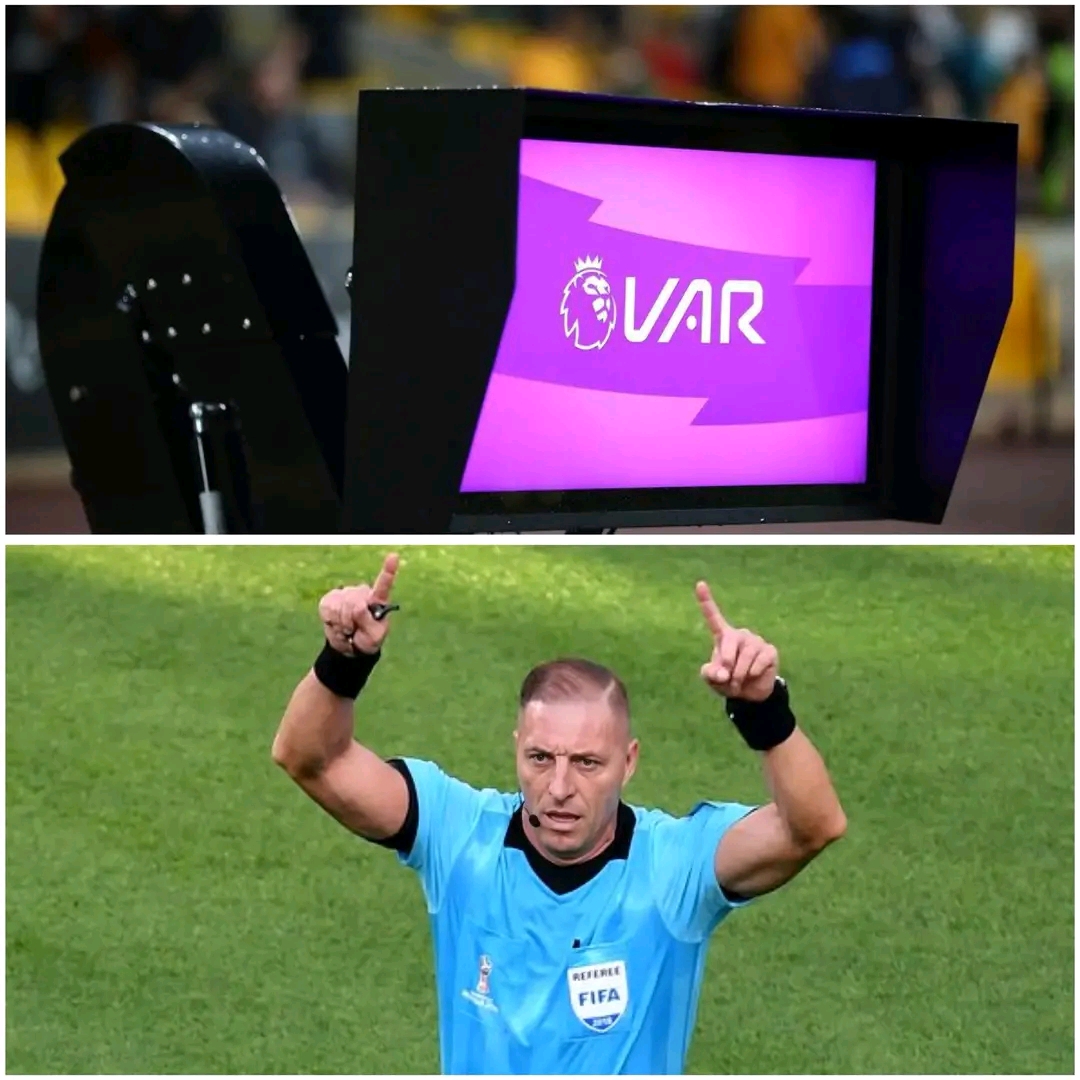
The Premier League is reportedly set to reject the proposed VAR expansion for next season, according to a report from L’Équipe, and the news has already triggered debate across football about whether the game is moving in the right direction or holding itself back.
The proposal itself was not small. It was part of a wider push in football governance to expand the role of VAR in major competitions, especially ahead of upcoming global tournaments. The idea was to allow the Video Assistant Referee system to intervene in more situations than it currently does, particularly in two key areas that have caused controversy in recent seasons: corner-kick decisions and second yellow-card incidents.
On paper, the logic behind the proposal is easy to understand. Football has seen countless matches influenced by missed or incorrect calls in these exact situations. A wrongly awarded corner can lead to a goal. A missed second yellow card can completely change the balance of a match, especially if a player who should have been sent off remains on the pitch and goes on to influence the result.
Supporters of the expansion argue that VAR should evolve further. They believe technology exists to reduce human error, so it should be used as much as possible to protect fairness. From their perspective, if VAR is already used for goals, penalties, and direct red cards, then extending it to corners and second yellows is simply the next logical step.
However, football is never that simple.
The Premier League’s reported stance to reject the expansion shows that there is still strong resistance to increasing VAR’s influence over the game. While VAR was originally introduced to correct clear and obvious errors, many fans, players, and managers already feel it has gone too far in slowing down the natural flow of football.
The concern is not just about correctness, but about rhythm, emotion, and the human side of the game. Football is built on spontaneity. A corner kick is one of the most chaotic and unpredictable moments in a match. A second yellow card decision often involves interpretation of intent, timing, and context. Critics of the proposed expansion argue that putting VAR into these moments risks turning football into a stop-start experience, where celebrations are delayed and emotional reactions are constantly interrupted by checks and replays.
Under the proposed changes, VAR officials would have been able to intervene in corner-kick decisions. That means if the ball went out of play and the wrong team was awarded a corner, VAR could step in and correct it before the restart. It also would have allowed intervention in second yellow card situations, potentially preventing referees from making match-defining disciplinary errors.
These are not minor adjustments. They would have significantly increased the scope of VAR in live matches.
But the Premier League’s reported rejection suggests that clubs are not yet convinced that the benefits outweigh the disruption.
The final decision is expected to be made at the Annual General Meeting next month, where Premier League clubs will vote on whether to adopt or formally reject the changes. That meeting is expected to be highly debated, as clubs often have different views depending on how VAR has impacted their own recent experiences.
Some clubs may support the expansion, especially those who feel they have been on the wrong end of controversial decisions in recent seasons. Others may strongly oppose it, believing that VAR has already created enough controversy and that further expansion will only increase frustration among supporters.
There is also the question of consistency across competitions. If UEFA or FIFA tournaments decide to adopt expanded VAR rules while the Premier League rejects them, it could lead to confusion for players and referees who must switch between different standards depending on the competition. That inconsistency is one of the biggest concerns for football authorities trying to maintain a unified approach to officiating.
Another key issue is speed. One of the most common criticisms of VAR is the time it takes to make decisions. Adding more review categories would almost certainly increase stoppages, potentially disrupting the flow of matches even further. Critics argue that football should not become a game where every corner, every booking, and every marginal decision is reviewed in detail, as it could damage the excitement that makes the sport so popular.
At the same time, supporters of VAR expansion argue that fairness should always come first. They believe that if technology can prevent clear mistakes, then it should be used, even if it slightly slows the game down. From their point of view, a correct decision is more important than a fast one.
This is where the debate becomes complicated. It is not simply a question of right or wrong, but a balance between accuracy and entertainment. Football authorities have been trying to find this balance since VAR was first introduced, and the discussion shows no signs of ending.
The Premier League, in particular, has often been cautious when it comes to major rule changes. While other leagues and competitions have experimented with different interpretations of VAR usage, English football has generally preferred a more limited approach, focusing on only the most decisive moments such as goals, penalties, straight red cards, and mistaken identity.
The reported decision to reject the expansion continues that trend.
If confirmed at the upcoming AGM, it would mean that VAR in the Premier League remains relatively restricted compared to what some governing bodies have been considering for future tournaments like the World Cup, where more extensive use of technology is expected to be tested.
As expected, reactions among fans have been mixed.
Some supporters feel relieved, arguing that VAR already disrupts the emotional flow of matches and should not be expanded further. They believe football is becoming too dependent on technology and losing its human edge, where mistakes, debates, and controversies were once part of the game’s identity.
Others feel frustrated, believing that refusing to expand VAR is a missed opportunity to improve fairness. They point to high-profile errors in recent seasons where corner decisions or second yellow cards had a direct impact on results, arguing that these are exactly the kind of mistakes technology should be correcting.
Managers and players are also likely to have strong opinions, especially those who have experienced controversial dismissals or conceded goals from incorrect set-piece decisions. However, many professionals have also expressed concern that too many VAR interventions can break momentum and affect concentration during matches.
The situation is further complicated by the fact that football is under constant pressure to modernize while also preserving tradition. Every change to the laws of the game tends to divide opinion, and VAR remains one of the most controversial innovations in recent football history.
The Premier League now faces a familiar dilemma: should it continue to expand technological intervention in the name of fairness, or should it protect the flow and unpredictability of the game by limiting its use?
Whatever decision is ultimately made at the AGM, it is clear that VAR will remain a major talking point heading into next season. Even without expansion, debates over its current usage are unlikely to disappear.
For now, the reported stance is clear. The Premier League is leaning towards rejecting the proposed VAR expansion, keeping the system in its current form while other competitions continue to explore how far technology should go in football.
And as always in modern football, the debate is not just about rules. It is about identity, emotion, and the future direction of the sport itself.