Rangers man urged to seek Ibrox exit and find ‘right environment’ to resurrect international future

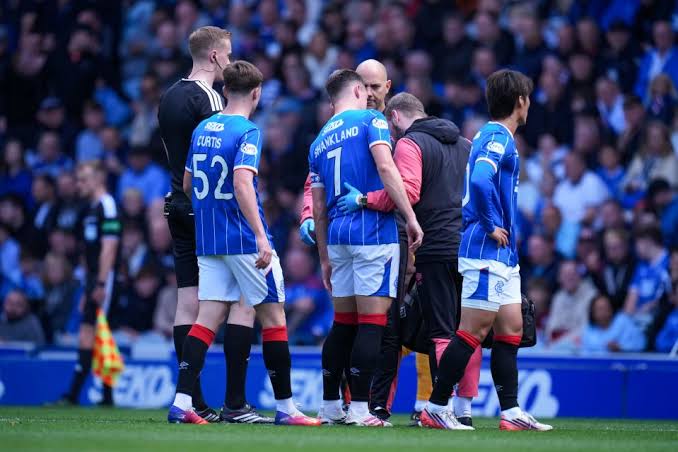
Rangers man urged to leave Ibrox as former Northern Ireland star reveals how he can revive his international career
Rangers winger Ross McCausland has been urged to consider leaving Ibrox in search of regular first-team football, with former Northern Ireland striker Conor Washington believing that the right environment could help the youngster resurrect his international career.
The 22-year-old winger has endured a difficult period at Rangers, with opportunities becoming increasingly limited despite showing promising qualities during his earlier appearances for the club. McCausland once looked like a player capable of establishing himself as a regular first-team option, but his progress has stalled, leaving serious questions about what the next stage of his career should look like.
For a young footballer, regular playing time can make a significant difference. Training with an ambitious club is valuable, but nothing can completely replace the experience of competing consistently in senior matches. Without regular opportunities, it becomes difficult for a player to maintain rhythm, build confidence and demonstrate the qualities needed to attract the attention of an international manager.
That is the situation McCausland now faces at Rangers. Although he remains at Ibrox, his limited involvement under Derek McInnes has raised concerns about whether staying at the club is the best option for his development.
Washington, who previously played alongside McCausland in the Northern Ireland setup, believes the winger still possesses the ability to make an impact at international level. However, he has suggested that finding a club where the youngster can play regularly could be the most important step towards achieving that ambition.
Speaking about McCausland’s qualities, Washington recalled being impressed when the winger first joined the Northern Ireland squad. He highlighted his direct running, confidence when facing defenders and willingness to take responsibility in attacking situations.
Those qualities are particularly valuable for a wide player. Wingers are often expected to create opportunities in situations where space is limited, and the ability to take on defenders can provide a team with an attacking advantage. McCausland demonstrated those characteristics during his earlier appearances, which helped him earn opportunities with Northern Ireland.
However, talent alone is not always enough to guarantee progress. Players need regular opportunities to develop their strengths, learn from mistakes and become more consistent. If those opportunities are limited, even a promising youngster can struggle to reach the level expected of him.
Washington believes McCausland’s difficulties at Rangers should not automatically be interpreted as evidence that he lacks the ability to succeed. Instead, he has pointed towards the demands of playing for a club where results are constantly under scrutiny.
Rangers are expected to compete for trophies, and managers have limited time to experiment when performances or results fall below expectations. Under those circumstances, younger players can find themselves overlooked as coaches prioritise experience and immediate results.
That creates a difficult situation for footballers trying to establish themselves. A young winger may need time to improve his decision-making and consistency, but a manager under pressure may prefer a more experienced player who can deliver immediately.
Washington’s assessment is that McCausland could benefit from a change of environment, allowing him to rediscover his confidence and demonstrate his potential through regular football.
The important question is whether that environment can be found at Rangers or whether he would need to move elsewhere.
McCausland has already experienced football away from Ibrox. He spent the previous season on loan at Aris Limassol in Cyprus before returning to Glasgow during the summer. A permanent departure appeared possible, but he remained with Rangers despite continuing competition for places.
That decision has left him in a difficult position. He is back at his parent club, but opportunities have been limited, and the situation is becoming increasingly important for his international ambitions.
McCausland’s only appearance under the current regime has reportedly come in the Premier Sports Cup, when he featured as a substitute against St Mirren and scored. He has yet to establish himself as a regular option in the Scottish Premiership.
For a player who wants to represent Northern Ireland consistently, that lack of involvement is a concern. International managers need to assess players who are competing regularly at club level, particularly when selecting wide players for important fixtures.
A winger who is playing every week has more opportunities to demonstrate his current form than one who spends most matches on the bench. Regular football also provides the chance to improve fitness, sharpen decision-making and develop an understanding with teammates.
McCausland’s international future is therefore closely connected to what happens next at club level.
Washington has not suggested that the winger should give up on his ambitions. Instead, his comments indicate that McCausland still has time to get his career moving in the right direction.
At 22, the Rangers player has several years in which to develop, improve and compete for a place in the Northern Ireland squad. His age means that a difficult spell at Ibrox does not have to define his entire career.
The challenge is finding a practical route back to regular football.
If McCausland remains at Rangers, he will need to convince McInnes that he deserves more opportunities. That could mean making a strong impression in training, taking advantage of substitute appearances and demonstrating that he can perform consistently when selected.
However, if the manager’s plans do not include a significant role for him, another loan move or a permanent transfer could become a sensible option.
A move would allow McCausland to focus on playing regularly rather than waiting for opportunities that may not arrive. It could also provide the opportunity to work with a manager who values his style and is prepared to give him the responsibility needed to develop.
The decision would need to be made carefully. Leaving Rangers would not automatically guarantee success, and the winger would need to find a club where he has a realistic opportunity to play.
The ideal destination would offer a suitable playing style, regular competition and a manager who understands how to get the best out of him. A move simply for the sake of leaving Ibrox would not necessarily solve the underlying problem.
Washington’s central point is that the environment matters. McCausland needs an opportunity to play, build confidence and rediscover the qualities that first made him stand out.
Whether that happens at Rangers or elsewhere, regular football could be the key to putting his international career back on track.
For Rangers, the situation also raises questions about how the club intends to handle young players who are struggling to break into the first team. Developing talent requires more than signing promising footballers. Clubs must also create pathways through which those players can gain experience and improve.
Not every youngster will become a regular starter at Ibrox, especially given the pressure to win trophies. However, effective loan arrangements and carefully managed transfers can help players continue their development rather than spend an extended period without meaningful involvement.
McCausland has already experienced a loan spell at Aris Limassol, and the next decision will be important. Rangers must assess whether he can realistically compete for a regular place or whether another environment would provide a better opportunity.
There is also the possibility that circumstances could change during the season. Injuries, suspensions and changes in form can create opportunities for players who are currently on the fringes. If McCausland impresses when called upon, he could still force his way into the manager’s plans.
However, he cannot rely entirely on circumstances changing in his favour. His career development requires a clear plan, and the club must decide whether he is part of its immediate future.
Supporters will understandably have different opinions. Some may believe McCausland deserves another opportunity to prove himself at Rangers, particularly because he has previously shown that he can contribute in important moments. Others may argue that regular football elsewhere would be more beneficial than remaining on the sidelines.
Both perspectives recognise the same underlying issue: McCausland needs to play.
His direct approach and willingness to attack defenders remain qualities that could make him useful to a team seeking greater creativity in wide areas. With the right coaching and consistent opportunities, he may be able to improve the end product that turns promising runs into goals and assists.
For Northern Ireland, the situation is equally important. International squads need players who are performing consistently and can make an impact when selected. McCausland’s previous involvement shows that he has already attracted attention, but returning to that level will require sustained performances.
Washington’s confidence in the winger should offer encouragement. He has seen McCausland in an international environment and believes there is enough ability for him to compete again.
That does not mean a return to the squad is guaranteed. McCausland must first establish himself at club level, and competition for international places will remain strong. Nevertheless, his prospects should not be dismissed simply because he has struggled to secure minutes at Rangers.
The coming months could therefore become a turning point. If he receives more opportunities at Ibrox, he will have a chance to show the manager that he deserves a greater role. If the situation remains unchanged, a move could become increasingly attractive.
Ultimately, the decision will depend on what is best for the player’s development and long-term ambitions. Remaining at a major club can be appealing, but regular first-team football may offer greater benefits than simply being part of a squad.
McCausland must weigh those considerations carefully, while Rangers must decide whether they can provide the opportunities he needs.
Washington’s message is clear: the winger still has time to revive his international career, but finding the right environment and playing regularly will be crucial.
For a player who once impressed Northern Ireland with his confidence and direct attacking style, the priority now is to rediscover that form on a consistent basis.
A departure from Ibrox is not inevitable, and there is no guarantee that leaving would immediately solve his problems. However, if Rangers cannot offer a realistic route into the first team, exploring other options could be the right step.
McCausland’s career is far from over. At 22, he still has time to develop, regain momentum and earn another opportunity with his country. The next move, whether it involves staying at Rangers or finding a new club, could play an important role in determining how quickly he gets back on track.