Arsenal’s Derby Delight, Declan Rice Debate, and the Manchester City 60-Point Question

The noise of the North London Derby always lingers long after the final whistle. When Arsenal F.C. travel across the capital to face Tottenham Hotspur, it is never just another fixture. It is emotion, pride, history, rivalry, and in this case, a powerful statement in the Premier League title race.
This time, Arsenal did not just win — they dominated. A commanding 4-1 victory at the Tottenham Hotspur Stadium reminded the league that Mikel Arteta’s side are not fading contenders but determined leaders.
Yet while the scoreline painted a picture of control and superiority, the days that followed brought debate, scrutiny, and wider implications — not just for Arsenal, but also for their biggest rivals, Manchester City.
From questions surrounding Declan Rice’s emotional leadership to fresh speculation about a potential 40-60 point deduction for City, the Premier League narrative remains as dramatic off the pitch as it is on it.
Arsenal’s 4-1 Statement: A Title Charge Reignited
Coming into the derby, Arsenal had experienced a slightly nervous spell. Dropped points against Brentford and Wolves had allowed City to close the gap. Doubts were beginning to surface — were Arsenal about to wobble under pressure again?
Arteta’s answer was emphatic.
Two goals from Eberechi Eze and a clinical brace from Viktor Gyökeres dismantled Tottenham in front of their own supporters. The performance was aggressive yet composed, energetic yet controlled.
It was Arsenal’s second derby win of the season, and perhaps their most convincing.
The victory restored their five-point lead at the top of the Premier League table — at least temporarily. However, City still hold a game in hand, meaning the pressure is far from gone.
The message, though, was clear: Arsenal are ready for the fight.
Declan Rice: Leader or Too Emotional?
While Arsenal celebrated, attention quickly turned toward one moment involving Declan Rice.
The midfielder, who has become central to Arteta’s system, was seen rallying teammates after Arsenal initially took the lead. He demanded focus, urgency, and concentration — classic leadership gestures.
But just minutes later, Rice made a costly mistake. A loose pass in a dangerous area allowed Tottenham to equalise.
Although he recovered and delivered a strong overall performance, critics were quick to react.
One of the loudest voices came from Paul Scholes, the former Manchester United F.C. midfielder known for his calm presence during title-winning campaigns.
Scholes questioned whether Rice’s passionate style may sometimes cross into over-emotion.
He compared him indirectly to Roy Keane, suggesting that Keane’s leadership, despite its intensity, carried a certain composure and calm authority.
According to Scholes, when competing for league titles, emotional control is essential. Celebrating goals is one thing, but managing game situations requires steadiness.
His argument was not that Rice lacks quality — far from it. Instead, the concern was whether the midfielder’s visible emotional energy could occasionally cloud judgment.
Leadership in Modern Football
The debate raises a larger question: what does leadership look like in modern football?
Roy Keane’s era valued intimidation and fierce authority. Today’s game demands emotional intelligence, communication, and composure under relentless media scrutiny.
Rice represents a different type of captain — expressive, vocal, visibly passionate. For many fans, that passion symbolizes commitment.
But critics argue that when the margins in a title race are razor-thin, composure becomes priceless.
Interestingly, Rice responded in the best possible way: by finishing the match strongly. He controlled possession, regained rhythm, and helped Arsenal reassert dominance.
Mistakes happen — what defines elite players is how they react.
Arteta’s Balancing Act
For Mikel Arteta, the situation is delicate.
On one hand, Rice embodies the hunger and fire Arteta wants in his squad. On the other, Arsenal’s title ambitions demand maturity in every high-pressure moment.
Arteta has repeatedly spoken about “control” — control of the ball, control of emotions, control of the narrative.
If Arsenal are to outlast Manchester City over 38 games, emotional discipline may be as crucial as tactical brilliance.
The Manchester City 115 Charges: A Shadow Over the Title Race
While Arsenal focus on performances, a much larger story looms over the Premier League.
Manchester City continue to await a verdict regarding 115 alleged breaches of financial regulations between 2009 and 2018.
The hearing concluded months ago after a lengthy tribunal, but the independent commission has yet to deliver its decision.
City deny wrongdoing and remain confident of being cleared. However, speculation continues.
Football finance expert Kieran Maguire recently suggested that, if found guilty of the most serious charges, City could face a points deduction significantly harsher than previous cases.
For context:
- Everton received a six-point deduction.
- Nottingham Forest were deducted four points.
But those cases covered shorter periods and fewer charges.
Maguire indicated that consistency with precedent could imply a potential 40-60 point deduction if City were judged severely.
What Would a 60-Point Deduction Mean?
To understand the magnitude, consider this:
A 60-point deduction would effectively relegate a title contender into the relegation battle.
It would be unprecedented in Premier League history.
Yet many variables remain unknown:
- Which season would a deduction apply to?
- Would appeals delay enforcement?
- Could sanctions be financial rather than sporting?
The uncertainty makes it impossible for Arsenal — or any rival — to factor it into their planning.
The only sensible approach is to assume City remain fully competitive until proven otherwise.
Psychological Impact on the League
Even without a verdict, the ongoing case influences the psychological landscape.
For Arsenal, the existence of potential sanctions against City should not become a distraction.
Arteta’s squad cannot rely on administrative outcomes. They must earn every point.
At the same time, City operate under scrutiny, which can either destabilize a squad or galvanize it.
Historically, under pressure, City have thrived.
Arsenal’s Immediate Focus: Chelsea Next
Attention now turns to another London showdown as Arsenal prepare to host Chelsea.
Earlier in the season, Arsenal defeated Chelsea twice in the Carabao Cup semi-final.
However, derby matches rarely follow predictable scripts.
Maintaining momentum will be critical. Dropping points would reopen the title race narrative instantly.
The Bigger Picture: Title Race Defined by Margins
This season’s Premier League title race may ultimately be defined by small details:
- A misplaced pass.
- A moment of emotional overreaction.
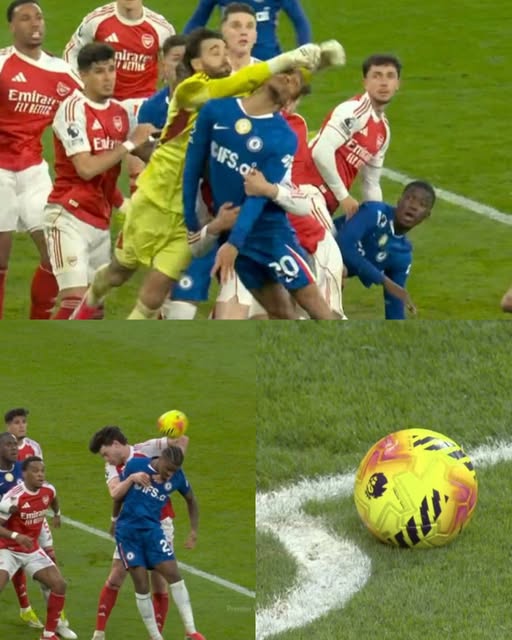
- A controversial refereeing decision.
- Or perhaps an off-field verdict months in the making.
Declan Rice’s leadership style.
Paul Scholes’ critique.
Manchester City’s unresolved charges.
Each story connects to a larger theme: pressure.
Conclusion: Calm in the Chaos
Arsenal’s 4-1 demolition of Tottenham was more than a derby win — it was a declaration of resilience.
Yet success in May will not depend on emotional highs alone.
Rice must channel passion into composure.
Arteta must balance intensity with control.
City must await their legal fate.
The league must brace for possible historic consequences.
For now, Arsenal sit top.
Manchester City chase closely.
The verdict clock ticks quietly in the background.
And in the Premier League, where drama is guaranteed and certainty is rare, the only thing that truly matters is what happens next weekend.