Erling Haaland ❌ Michael Olise ❌ Vitinha ❌ Michael Olise ❌ Harry Kane ❌ Out of nowhere, Real Madrid’s record-breaking target has been named! 😱

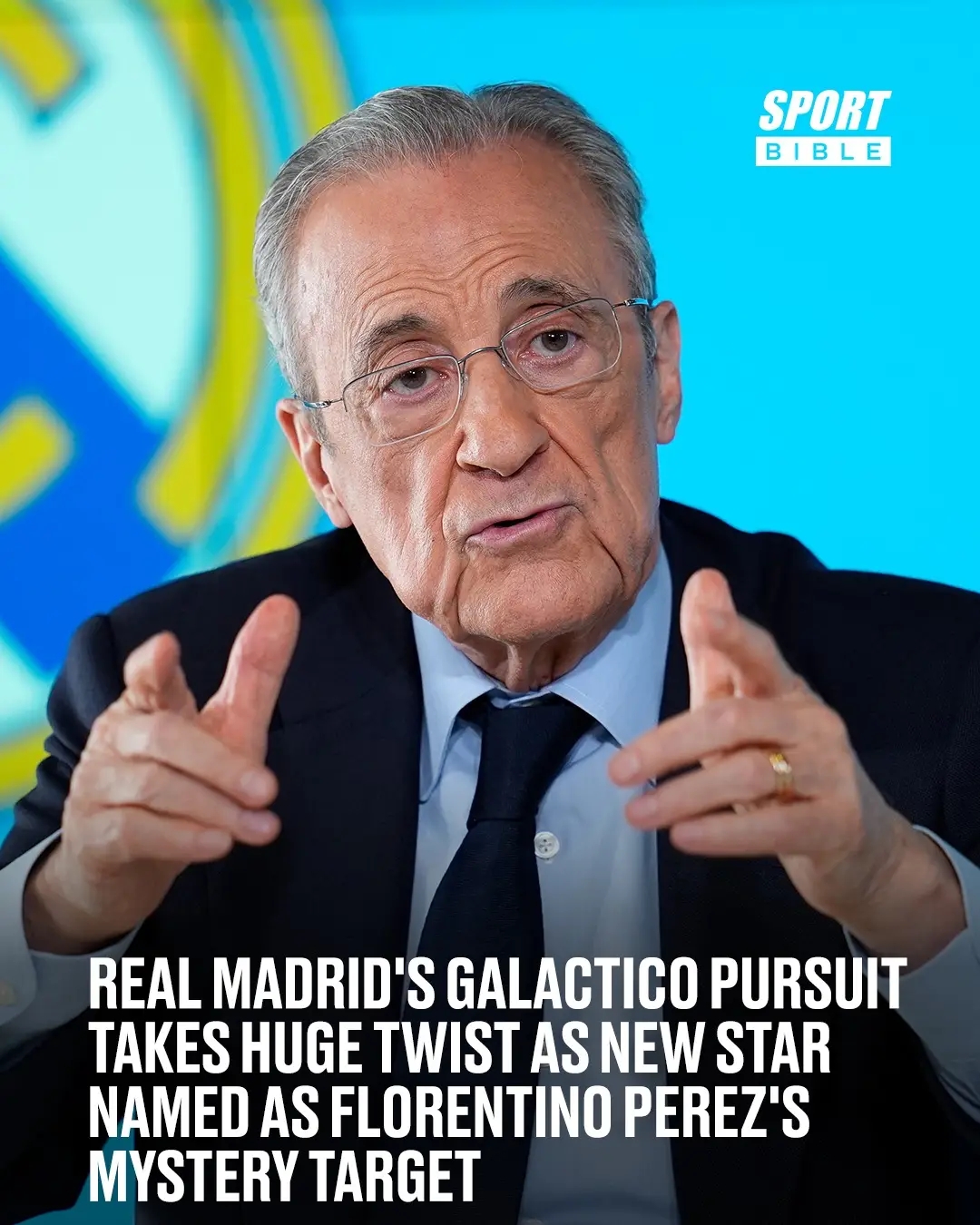
Kvaratskhelia has become one of those modern football names that instantly triggers debate whenever a big club is linked with him, and the idea of him joining Real Madrid fits perfectly into the long history of Galactico-style speculation that surrounds the Bernabeu. Real Madrid never really shop quietly, and when a player of his profile is mentioned, the conversation naturally expands far beyond simple transfer talk into questions about identity, tactics, squad balance and long-term planning. The key question is not just whether he is talented, because that part is already widely accepted, but whether he is the right kind of talent for a club that already carries some of the highest expectations in world football.
What makes Kvaratskhelia so attractive in the first place is his directness in attacking situations. He plays with a kind of fearless energy that forces defenders backwards, and that alone is something Real Madrid always value. At Madrid, attackers are not only judged on goals and assists but also on their ability to shift the emotional rhythm of a match. There are games where structure does not work and moments where a team needs pure individual brilliance. Kvaratskhelia thrives in those moments. He can take the ball in wide areas, isolate defenders and change the direction of play without needing perfect build-up. That unpredictability is something Madrid’s system has always appreciated, from the days of Cristiano Ronaldo’s explosiveness to more recent stars who carry responsibility in decisive matches.
His dribbling style also stands out because it is not just about flair or showmanship. It is functional. He moves defenders out of position, forces tactical adjustments and opens passing lanes for teammates. In a Madrid side that often faces deep defensive blocks in La Liga and highly organised opponents in the Champions League, that ability becomes extremely valuable. When space is limited, players who can create their own space become game-changers. Kvaratskhelia does that consistently, and that is one of the main reasons elite clubs continue to track him.
Another important factor is his age profile. He is at the stage of his career where development and consistency begin to merge. He is no longer seen as a raw prospect, but he is also not a finished product. That combination is exactly what Madrid have been targeting in recent years. They want players who can contribute immediately but still improve within their system. The club has shifted away from short-term panic signings and instead built a core of players who can potentially dominate European football for years. In that context, Kvaratskhelia fits the model quite well. He already has experience at the highest level, but there is still room for him to grow tactically, physically and even statistically.
However, the biggest challenge with any potential move is not his ability but the existing structure at Real Madrid. The left side of their attack already has established names and tactical roles, which means adding another high-profile winger could create selection pressure. In modern elite football, squad harmony is just as important as individual quality. A player like Kvaratskhelia would not be arriving to sit on the bench, so the club would need to adjust roles, rotations and even tactical shape to accommodate him. That kind of change is never simple, especially in a dressing room where competition is already intense.
There is also the financial dimension. Real Madrid are one of the few clubs in the world capable of making huge transfers without destabilising their structure, but even for them, a major signing must be justified. Spending a massive fee on an attacking player means reducing investment in other areas. So the club must decide whether adding another elite winger is more important than reinforcing midfield depth, defensive stability or squad rotation options. This is where opinions often split between fans and management. Supporters usually want excitement and attacking flair, while decision-makers think about balance and sustainability.
From a tactical perspective, though, Kvaratskhelia offers something Madrid do not already have in abundance. He is not just a wide player who stays on the touchline. He drifts inside, combines in tight spaces and links play in creative ways. That hybrid style makes him useful in different formations. He could function in a traditional front three, as a wide forward in a fluid attacking trio, or even as an inverted attacker who contributes centrally. This flexibility is increasingly important in modern football where managers constantly adjust systems depending on opponents.
Another interesting point is how his presence could influence other stars in the squad. At Real Madrid, attacking roles often overlap, and the chemistry between forwards is crucial. A player like him would naturally attract defensive attention, which could free space for others. At the same time, it could also create competition for ball dominance in attacking phases. Madrid have experienced both sides of this situation in the past, where multiple star attackers either elevate each other or unintentionally limit each other’s effectiveness. Managing that balance would be one of the biggest tasks for the coaching staff.
Mentally, Kvaratskhelia appears well-suited for a high-pressure environment. Playing for Real Madrid is not just about talent but about handling constant scrutiny, expectation and criticism. Every match is analysed in detail, every performance is compared to legends of the past, and every dip in form becomes a headline. Some players struggle under that weight, while others thrive. His playing style suggests confidence and resilience. He does not hide in games, even when things are not going well, and that is an important trait for a club where patience is limited.
Another layer to the discussion is how his signing might connect with broader squad planning. Real Madrid have been gradually building a new generation of attacking talent, and each addition influences the next decision. If Kvaratskhelia were to arrive, it could reshape long-term planning for other attackers, including contract decisions and future transfer priorities. This is why big clubs rarely make decisions in isolation. One signing often triggers a chain reaction that affects multiple positions.
There is also the commercial side, which cannot be ignored. Real Madrid operate on a global scale, and star signings are not only sporting decisions but also brand decisions. A player like Kvaratskhelia brings attention from new markets, increases shirt sales, boosts digital engagement and strengthens the club’s international profile. While this should never be the primary reason for a transfer, it is part of the modern football ecosystem. Clubs at Madrid’s level always consider both sporting and commercial impact.
Still, there are valid doubts. One of them is consistency across different tactical environments. While he has shown brilliance, every league and every system presents new challenges. At Real Madrid, opponents often sit deep and defend with extreme discipline, which means space is limited and decision-making becomes more important than pure dribbling ability. Some players who excel in open games struggle when space disappears. Whether he can maintain his impact in tightly controlled matches would be a key test.
Another concern is adaptation time. Even elite players sometimes need months to adjust to a new league, new teammates and new expectations. At Madrid, that adaptation period can feel shorter than anywhere else because results are expected immediately. A slow start can quickly shift public perception, regardless of long-term potential. That is a risk both player and club must understand before any transfer happens.
Despite those concerns, the overall profile remains extremely attractive. He is creative, aggressive in attack, comfortable under pressure and still developing. He also brings a style of play that excites fans, which is always important for a club built on entertainment as much as success. Real Madrid do not just want to win; they want to win with style, personality and moments that define seasons.
In the end, whether Kvaratskhelia would be a good signing for Real Madrid comes down to what the club values most in the next phase of their project. If the priority is pure balance and squad depth, they may look elsewhere. But if the goal is to continue building a team filled with players capable of deciding Champions League matches through individual brilliance, then he fits that vision very naturally.
He is not a perfect player, and no signing at that level ever is. But he is the type of player who can change games, shift momentum and add a new dimension to an already elite squad. That alone keeps him firmly in the category of serious Galactico-level discussion.