🚨 GERRARD RETURN INCOMING? Liverpool Legend Leads Race to Replace Danny Röhl Following Stunning Breaking News!

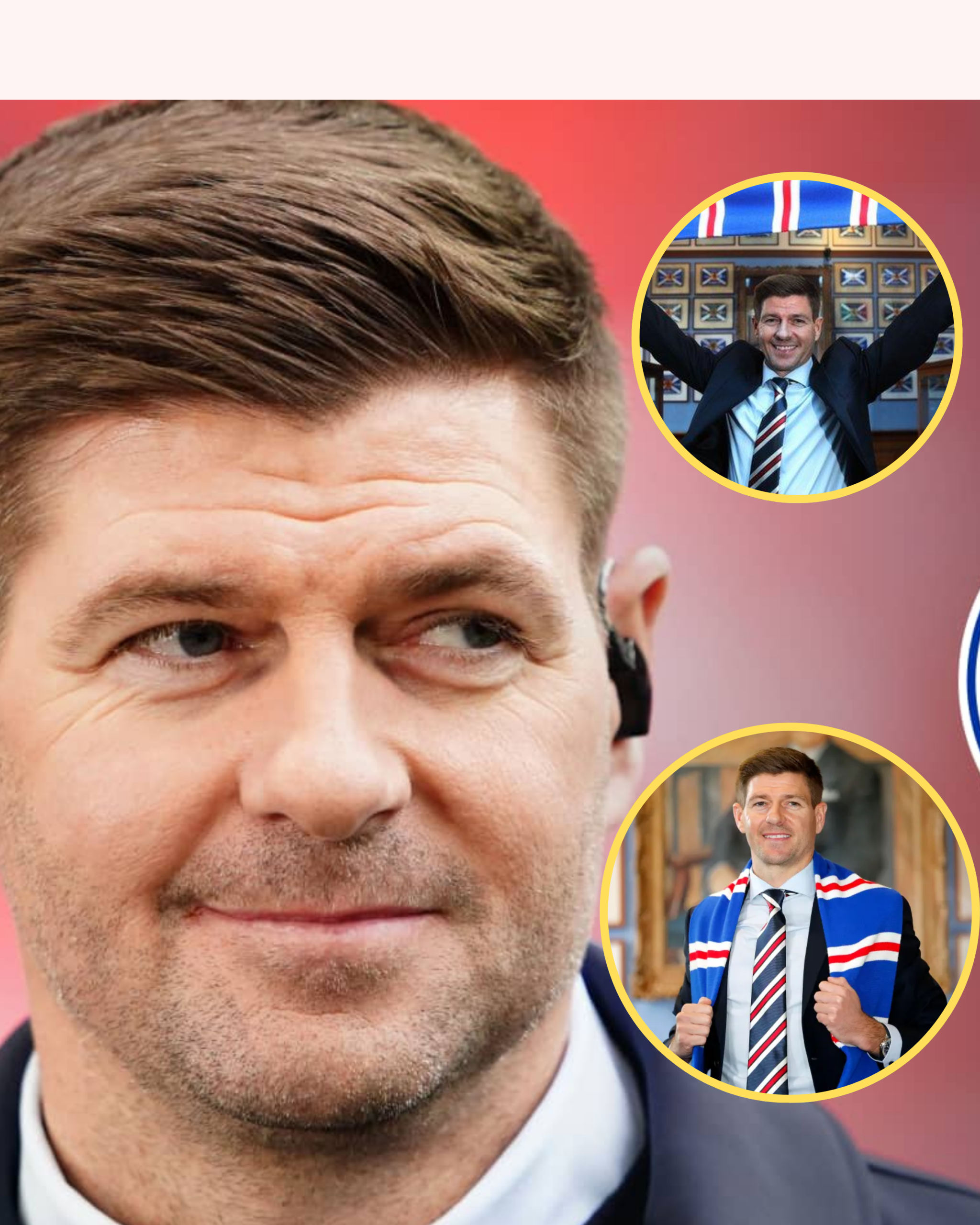
When Steven Gerrard arrived at Rangers in the summer of 2018, many people were not sure what to expect. He was one of the greatest players of his generation, a Liverpool legend who had spent most of his career carrying enormous pressure on his shoulders. But being a great player does not automatically make someone a great manager. The challenge waiting for him in Glasgow was one of the biggest in football. Rangers were still trying to rebuild after years of problems that had seen them fall from the top of Scottish football. Celtic were dominating the league and chasing history. The gap between the two clubs looked huge.
For Gerrard, taking the Rangers job was a gamble. It was his first senior managerial role. If things went badly, his dream of becoming an elite manager could disappear before it truly began. But he accepted the challenge and walked into Ibrox determined to change the culture of the club.
The expectations were enormous from the first day. Rangers fans wanted their club back at the top. They wanted trophies. They wanted victories against Celtic. Most importantly, they wanted to stop their rivals from continuing to dominate Scottish football. Gerrard understood exactly what the job meant.
His first season was full of promise and frustration at the same time. Rangers looked stronger almost immediately. The team played with more energy and confidence. Supporters could see signs of progress. There was a feeling that something was changing behind the scenes. The players seemed fitter, more organized, and more disciplined.
One of the biggest moments of that season came when Rangers defeated Celtic at Ibrox. It was a huge statement. For years, Celtic had been the dominant force, but Gerrard’s team showed they could compete. Rangers entered 2019 level on points with their biggest rivals, and many fans started dreaming about a title challenge.
But football seasons are not won in December. The difficult part comes when the pressure increases and every match feels like a final. Rangers struggled to maintain their consistency. Celtic found another level while Rangers dropped important points. The team went through a disappointing March and failed to win a game in any competition during that period.
That poor run proved costly. Celtic eventually pulled away and secured another league title. Rangers had improved, but they were still not strong enough to complete the job. Gerrard finished his first season without a trophy, but there were signs that the foundations were being built.
Many managers would have become discouraged after such disappointment. Gerrard did the opposite. He worked harder. He demanded more from his players. He continued shaping the squad in his image.
The following season looked very similar at first. Rangers were once again battling Celtic at the top of the table. There were moments when it seemed the title race could finally swing in Rangers’ favour. The team earned an impressive victory at Celtic Park and entered the winter break level on points while holding a game in hand.
Hope returned to Ibrox.
Supporters believed this could finally be the season when Rangers ended Celtic’s dominance. The atmosphere around the club was growing stronger every week.
Then came another collapse.
The second half of the campaign became a nightmare. Rangers lost momentum and started dropping points. The confidence that had carried them through the first part of the season suddenly disappeared. Wins became harder to find. Celtic once again showed why they were champions.
By the time football stopped because of the global pandemic, Rangers had fallen far behind. The title race was effectively over. Celtic were declared champions and Gerrard faced criticism from some supporters.
Many people questioned whether he was capable of taking Rangers to the next level. Some believed he had reached his limit. Others felt the club should be looking elsewhere.
But inside the dressing room, the belief remained.
Gerrard never stopped believing that his methods would eventually bring success.
The 2020-21 season became the defining campaign of his Rangers career.
The pressure was unlike anything he had experienced as a manager. Celtic were chasing a historic tenth consecutive league title. If they succeeded, it would be a record achievement that Rangers supporters desperately wanted to prevent.
The stakes could not have been higher.
From the opening weeks of the season, Rangers looked different. There was a new maturity about the team. They defended better. They controlled matches better. Most importantly, they knew how to win even when they were not playing their best football.
Week after week they collected points.
The unbeaten run continued growing.
Opponents tried everything to stop them.
Nothing worked.
Rangers became a machine.
The defense was almost impossible to break down. Goals were hard to score against them. Every player seemed to understand their role perfectly. The team played with confidence, discipline, and determination.
The statistics from that campaign were remarkable.
Rangers won 32 of their 38 league matches.
They remained unbeaten throughout the entire league season.
They scored 92 goals.
They conceded only 13.
Those numbers tell the story of complete dominance.
The title race that many expected to be close turned into a procession.
Rangers were simply too strong.
As the weeks passed, the dream became reality.
The club finally secured the Scottish Premiership title.
For Rangers supporters, it was more than just another championship. It was the title that stopped Celtic from achieving ten consecutive league crowns. It was the title that restored pride to the blue half of Glasgow. It was the title that confirmed Rangers had returned to the top.
For Steven Gerrard, it was the greatest achievement of his managerial career.
Many people point to the fact that he only won one trophy at Rangers. Technically, that is true. But numbers do not always tell the full story.
That league title carried enormous weight.
It was a historic success.
It changed how Rangers supporters viewed him forever.
Beyond domestic football, Gerrard also transformed Rangers in Europe.
When he arrived at the club, Rangers were struggling badly on the continental stage. The team had suffered embarrassing defeats and lacked credibility in European competition.
One of the most shocking results before Gerrard’s arrival had been elimination against Luxembourg side Progres Niederkorn.
For a club with Rangers’ history, that defeat was painful.
Gerrard helped erase those memories.
His first European campaign was impressive. Rangers successfully navigated four qualifying rounds to reach the Europa League group stage.
That achievement alone represented significant progress.
But it was only the beginning.
Over the next few years, Rangers became a team that European opponents respected.
They defeated strong clubs from different countries.
Porto were unable to overpower them.
Legia Warsaw were beaten.
Braga were defeated.
Feyenoord suffered against them.
Galatasaray were overcome.
Standard Liege also felt the strength of Gerrard’s Rangers.
Even clubs with larger budgets found life difficult against the Scottish side.
Villarreal could not defeat Rangers across two matches.
Neither could Benfica.
These results earned Rangers respect across Europe.
Supporters who had grown tired of disappointing European campaigns suddenly had reasons to be proud.
European nights at Ibrox became special again.
The stadium came alive under the lights.
Fans witnessed memorable performances and dramatic victories.
Gerrard’s Rangers developed a reputation for being organized, disciplined, and difficult to beat.
Many opponents underestimated them and paid the price.
For all the success in the league and Europe, however, there remained one major criticism.
Domestic cup competitions proved frustrating.
Again and again Rangers came close.
Again and again they failed.
During Gerrard’s first season, Rangers suffered defeats against Aberdeen in both major domestic cups.
The following campaign brought another painful moment.
Rangers reached the League Cup final against Celtic.
It represented a huge opportunity to win silverware.
Many supporters believed the trophy was within reach.
Yet football can be cruel.
Despite Celtic being reduced to ten men, Rangers failed to take advantage.
A single goal separated the teams.
Celtic lifted the trophy.
Rangers were left heartbroken.
The disappointment was enormous because chances like that do not come often.
Gerrard and his players knew they had missed an opportunity.
Unfortunately for them, more cup frustrations followed.
There were quarter-final exits.
There were unexpected defeats.
There were games where Rangers failed to perform at the level supporters expected.
Hearts knocked them out.
St Mirren knocked them out.
St Johnstone also ended their hopes.
Each elimination increased the pressure.
Critics argued that a club of Rangers’ size should not be consistently falling short in knockout competitions.
The criticism was understandable.
A club with Rangers’ history expects trophies.
Lots of trophies.
Not just one.
Yet football management is often judged on context as much as silverware.
When Gerrard took charge, Rangers were trying to catch a rival that had become dominant.
By the time he left, Rangers were champions of Scotland.
That transformation cannot be ignored.
The final months of Gerrard’s Rangers career brought both hope and disappointment.
In Europe, Rangers suffered a major setback when they were eliminated from the Champions League qualifiers by Malmo.
The defeat was painful.
Not only because of the sporting consequences but also because of the financial impact.
Champions League qualification would have generated huge income for the club.
Missing out affected transfer plans.
It limited what Rangers could do in the market.
Gerrard openly acknowledged that the club could not make the significant signings many supporters wanted.
Even so, Rangers remained competitive.
They were top of the league when he eventually departed.
They were still fighting strongly in Europe.
There was every reason to believe another successful season could follow.
Then came the news that shocked many supporters.
Aston Villa wanted Steven Gerrard.
The opportunity to manage in the Premier League had arrived.
For a man whose entire playing career had been spent in England, it was a difficult offer to reject.
After three and a half years in Glasgow, he made his decision.
He would leave Rangers.
The reaction among supporters was mixed.
Some understood completely.
Managing in the Premier League is a dream for many coaches.
Others felt disappointed.
They believed there was still unfinished business.
Some worried that the progress Rangers had made could disappear after his departure.
Whatever opinion people held, one thing was clear.
Gerrard had changed the club.
The Rangers he inherited were very different from the Rangers he left behind.
He restored belief.
He improved standards.
He brought professionalism.
He helped players develop.
He made Rangers competitive again both domestically and in Europe.
Most importantly, he delivered a league title that supporters will never forget.
When historians look back at Steven Gerrard’s time at Rangers, they will see more than just one trophy.
They will see a manager who accepted a difficult challenge.
They will see someone who rebuilt confidence at a proud football club.
They will see a leader who stood up to enormous pressure and eventually succeeded.
Not every moment was perfect.
There were painful defeats.
There were missed opportunities.
There were cup disappointments.
There were difficult questions from critics.
But there was also growth.
There was progress.
There was redemption.
For Rangers fans, the memory of that unbeaten title-winning season remains one of the greatest achievements in modern club history.
For Gerrard, it proved he could succeed as a manager.
The journey from inexperienced coach to league champion happened at Ibrox.
And although his story with Rangers eventually came to an end, the impact he left behind ensured his name would always have a special place in the club’s history.
Years from now, supporters will still remember the day Steven Gerrard arrived in Glasgow. They will remember the doubts, the expectations, the pressure and the challenges. They will remember the setbacks that nearly derailed the project. Most of all, they will remember the season when Rangers rose above every obstacle, remained unbeaten, reclaimed the league title and stopped Celtic from making history.
That achievement alone guarantees Steven Gerrard’s place among the most important managers Rangers have had in the modern era. His time at the club was not defined by the number of trophies he won. It was defined by the significance of the trophy he delivered. It was defined by restoring belief to a fanbase desperate for success. It was defined by bringing Rangers back to where they believed they belonged.
When Gerrard walked away for Aston Villa, he left behind a stronger club than the one he found. And for many Rangers supporters, that will always be the true measure of his success.