The World Cup is always a stage where emotions run high, opinions spread fast, and every word from players is analysed under a microscope. That is exactly what happened after Spain opened their campaign with a surprising goalless draw against Cape Verde, a result that immediately became one of the biggest talking points of the tournament so far.
Before the match, almost everyone expected Spain to win comfortably. As one of the strongest teams in international football and a side filled with top-level talent, many believed they would control the game from start to finish and take all three points without much trouble. Cape Verde, on the other hand, were making their World Cup debut and were seen by most as clear underdogs, expected to spend most of the match defending and trying to survive the pressure.
But football rarely follows predictions.
From the first whistle, Spain dominated possession as expected. They passed the ball around with confidence, controlled the midfield, and pushed Cape Verde deep into their own half. However, what Spain did not expect was the level of discipline, organisation, and determination shown by the African side.
Cape Verde defended with incredible structure. Every player worked tirelessly, closing down spaces, blocking passing lanes, and forcing Spain to move the ball wide rather than through the centre. It was not chaotic defending, but calm, intelligent, and extremely focused teamwork. The kind of performance that frustrates even the best attacking sides in the world.
As the minutes passed, Spain created chances but could not finish them. The pressure kept building, and the frustration slowly became visible on the pitch. Cape Verde, meanwhile, grew in confidence with every successful tackle and every clearance.
One of the biggest moments of the match came late in the first half when Ferran Torres found himself in a perfect position just yards from goal. It looked like the breakthrough had finally arrived for Spain. The crowd expected a goal. The bench expected a goal. Even Torres himself probably expected a goal.
But in a shocking twist, the ball crashed against the crossbar and went away.
It was a moment that summed up Spain’s night perfectly. Close, but not close enough. Dominant, but not decisive. Confident in possession, but wasteful in front of goal.
Cape Verde survived that moment, and with it, their belief only grew stronger.
In goal, 40-year-old goalkeeper Vozinha delivered a performance that would be remembered for years. The veteran shot-stopper produced save after save, showing experience, calmness, and sharp reflexes that kept Spain out again and again. Every time Spain tried to break through, he was there.
Seven key saves in total told the story of his night. Each one frustrated Spain a little more and inspired his teammates even more.
By full time, the result was sealed: Spain 0–0 Cape Verde.
A historic moment for Cape Verde, who had just secured one of the most famous draws in their football history. For Spain, it felt more like two points lost than one point gained.
The reaction after the match was immediate.
Cape Verde players and fans celebrated like they had won the game. For them, this was not just a draw. It was a statement. A message to the world that they were not at the World Cup just to participate, but to compete.
Spain, on the other hand, were left with frustration. They had controlled the match but failed to score, and that is always dangerous in football.
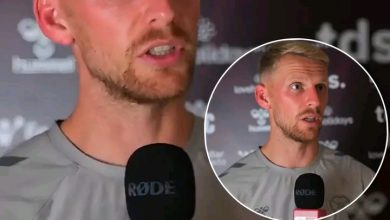
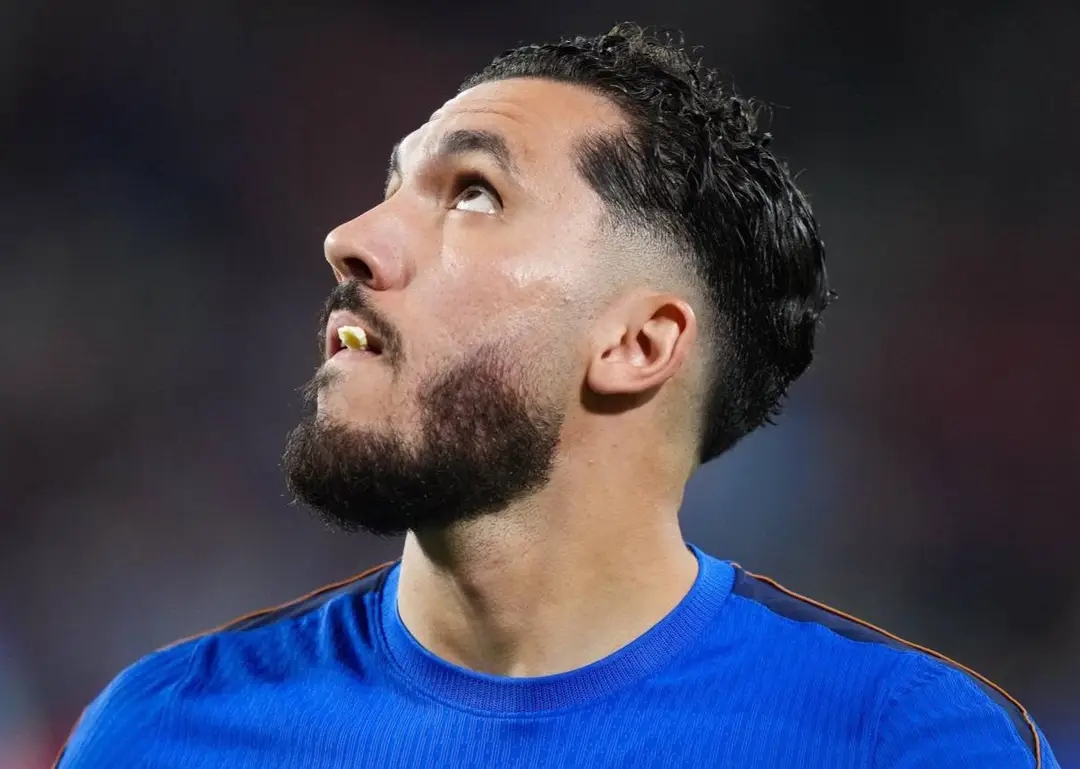
Among the Spanish players, captain Rodri was one of the first to speak after the final whistle. The Manchester City midfielder tried to remain calm in his assessment, acknowledging that his team had struggled to finish their chances.
He explained that Spain knew it would be a difficult match because Cape Verde defended deep and made it hard to find space. According to him, the main issue was not chance creation, but finishing.
He said Spain had opportunities but could not convert them, and that improvement was needed in front of goal. He also pointed out that Cape Verde did not create many chances themselves, suggesting Spain had largely controlled the match defensively.
However, it was one part of his comments that quickly sparked debate.
Rodri also described Cape Verde’s approach as very defensive, saying they barely pushed beyond midfield and focused almost entirely on defending. While this may have been a tactical observation, many people interpreted it differently.
Because Cape Verde were a debutant team at the World Cup, their performance was already being praised as heroic. So any comments that appeared to downplay their effort quickly attracted attention.
Very soon, opinions began to split across social media and football discussions.
Some fans agreed with Rodri. They said he was simply explaining the tactical reality of the match, nothing more. Spain had possession, Cape Verde defended deep, and that was the truth of the game.
But others felt his words lacked respect for what Cape Verde had achieved.
One of the most vocal critics was former France international Emmanuel Petit, a World Cup winner who is no stranger to high-pressure football debates.
Petit strongly disagreed with Rodri’s post-match comments and accused the Spain captain of being disrespectful in his assessment of the opposition.
Speaking publicly, Petit said he believed the comments came across as arrogant.
He argued that Cape Verde deserved far more credit for the way they defended throughout the match. In his view, it is never easy for a smaller football nation to face one of the world’s elite teams, especially in their first major tournament appearance.
According to Petit, expectations must always be realistic in these situations. Cape Verde were never expected to dominate possession or create many chances against a team like Spain. Their strength was always going to be organisation, discipline, and defensive resilience.
And that is exactly what they delivered.
Petit also pointed out that Spain had their own chances to win the match but failed to take them. From his perspective, that was where the real problem lay, not in Cape Verde’s tactics.
He said Spain should focus more on what they did wrong rather than criticising how their opponents played.
He also praised Cape Verde’s defensive performance, saying they played with bravery and commitment throughout the match. For him, the players defended like “lions”, throwing themselves into challenges and refusing to be broken down.
That level of praise stood in sharp contrast to how some interpreted Rodri’s comments.
The debate quickly grew larger, spreading across football media, fan forums, and television discussions. Some analysts defended Rodri, suggesting that elite players often speak honestly after matches and do not always intend disrespect. Others sided with Petit, arguing that respect for opponents is crucial, especially in a global tournament.
Cape Verde’s achievement itself also became a major talking point. For a nation making its World Cup debut, holding a European powerhouse to a draw was seen as a historic moment. Their defensive discipline, combined with the incredible performance of their goalkeeper, turned them into one of the early tournament stories.
Spain, meanwhile, were left under pressure heading into their next group match. The draw meant they could not afford another slip if they wanted to progress comfortably.
Rodri’s comments, whether misunderstood or not, had now become part of a wider conversation about respect, expectations, and how elite players should speak after difficult matches.
And as always in football, opinions were divided.
Some saw honesty.
Others saw arrogance.