Scotland Suffer World Cup Blow as Morocco Claim Historic Victory Through Ismael Saibari Wonder Goal

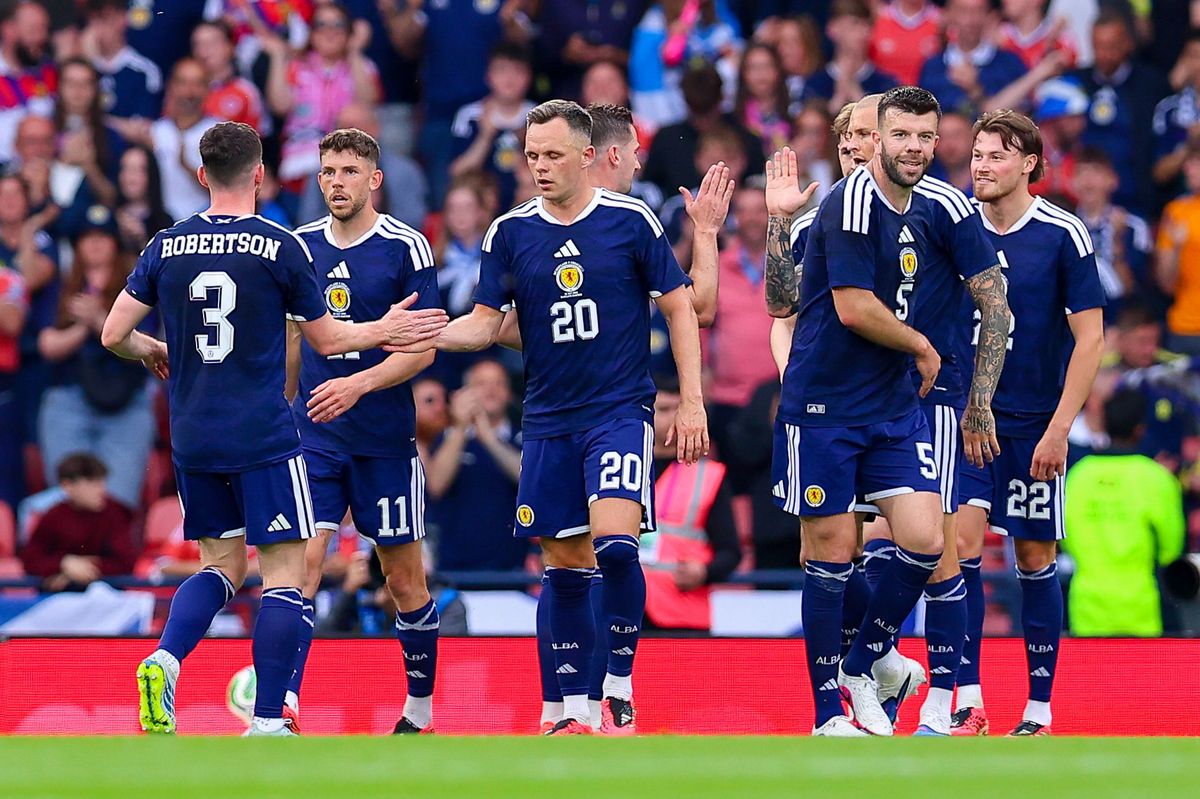
Scotland’s hopes of securing an early place in the knockout stages of the 2026 FIFA World Cup suffered a significant setback after a narrow 1-0 defeat against Morocco in Boston.
A stunning goal from Moroccan star Ismael Saibari after just 71 seconds proved decisive in a match that was ultimately settled by the fastest goal scored at the tournament so far.
Despite a spirited response from Steve Clarke’s side and a much-improved second-half performance, Scotland were unable to find a way past Morocco goalkeeper Yassine Bounou as the North African side moved into a commanding position at the top of Group C.
The result leaves Scotland with work still to do heading into their final group-stage clash against Brazil, while Morocco now stand on the verge of qualification for the knockout rounds following one of their most impressive World Cup victories in recent years.
For Scotland, there was frustration, controversy and disappointment.
For Morocco, there was belief, organisation and another reminder of why they are becoming one of the most respected international teams in world football.
## A Nightmare Start for Scotland
World Cup matches are often decided by fine margins.
Sometimes, however, a game can be transformed before it has even properly begun.
That was exactly the case at Boston Stadium.
Scotland entered the match knowing victory would put them in a strong position to reach the knockout stages for the first time in their history.
Instead, they suffered the worst possible start.
Just 71 seconds into the contest, Morocco produced a moment of quality that stunned the Scottish defence.
Brahim Diaz spotted a gap in Scotland’s back line and delivered a perfectly weighted pass forward.
Timing his run to perfection, Ismael Saibari burst through on goal before producing a magnificent finish across Angus Gunn.
The strike flew into the corner of the net and immediately changed the complexion of the match.
Scotland had barely touched the ball before finding themselves behind.
The goal was not only crucial in terms of the result but also historic.
It became the earliest winning goal ever scored in a 1-0 victory in FIFA World Cup history.
For Morocco, it was a dream beginning.
For Scotland, it was a nightmare.
## Saibari Continues His Remarkable Tournament
The goal against Scotland further enhanced Ismael Saibari’s growing reputation as one of the standout performers of the tournament.
The Moroccan midfielder had already impressed during his country’s opening match against Brazil, scoring a superb chipped finish that earned widespread praise.
Against Scotland, he produced something arguably even better.
His movement was intelligent.
His first touch was excellent.
His finish was ruthless.
The entire sequence demonstrated why some of Europe’s biggest clubs have shown interest in his services.
Throughout the tournament, Saibari has consistently delivered moments capable of changing games.
His understanding with Brahim Diaz has become one of Morocco’s most dangerous attacking weapons.
The pair combined brilliantly once again, exposing Scotland’s defensive shape and creating the game’s decisive moment.
For Scotland, stopping Saibari proved impossible.
For Morocco, he continues to look like a player capable of carrying them deep into the competition.
## Morocco Take Control
After scoring so early, Morocco had a decision to make.
They could continue attacking aggressively or adopt a more controlled approach.
They chose a balance of both.
Confident in possession and organised without the ball, Morocco demonstrated exactly why they have become one of international football’s most difficult teams to face.
Their midfield controlled large periods of the first half.
Their defensive line remained disciplined.
Whenever Scotland attempted to build momentum, Morocco found a way to slow the game down and regain control.
The North Africans looked comfortable.
Their confidence was evident.
Every successful pass was greeted with increasing encouragement from supporters inside the stadium.
At times, Scotland struggled to cope with the movement and technical quality of their opponents.
Morocco’s performance reinforced the progress they have made over recent years.
This is no longer a team content simply to participate at major tournaments.
This is a side capable of competing with anyone.
## Scotland’s Slow Recovery
Conceding so early could easily have shattered Scotland’s confidence.
Instead, Steve Clarke’s players gradually fought their way back into the contest.
The opening stages were difficult.
Morocco dominated possession and looked capable of extending their lead.
However, Scotland slowly settled.
Their pressing improved.
Their passing became more assured.
They began pushing further up the pitch.
By the closing stages of the first half, Scotland had finally established a foothold in the game.
Although genuine scoring opportunities remained limited, there were signs that they could still rescue something from the match.
The challenge was finding a breakthrough against one of the tournament’s most disciplined defensive units.
That task would prove extremely difficult.
## Steve Clarke Proud of His Team’s Response
Despite the defeat, Scotland manager Steve Clarke was quick to praise his players after the final whistle.
The Scotland boss acknowledged that his side had made an awful start but insisted they responded impressively.
Clarke highlighted the character shown by his players as they battled their way back into the match.
He admitted the early goal forced Scotland onto the back foot but felt his team gradually regained composure.
According to Clarke, Scotland demonstrated enough quality to trouble Morocco and remained competitive throughout the contest.
Most importantly, he stressed that his squad remains determined to achieve something historic.
Scotland have never progressed beyond the group stage of a World Cup.
That dream remains alive.
The defeat may have complicated matters, but it has not ended their hopes.
Clarke made it clear that his players will recover quickly and prepare for another huge challenge.
## Penalty Controversy Dominates Debate
As is often the case in tight World Cup matches, refereeing decisions became a major talking point.
Scotland felt they should have been awarded a penalty shortly after half-time.
The incident involved John McGinn and Moroccan defender Issa Diop.
McGinn appeared to push the ball beyond the defender before being knocked to the ground.
Many observers believed contact had clearly occurred.
However, the referee waved play on.
VAR reviewed the incident but decided not to intervene.
The decision frustrated Scottish players, coaching staff and supporters.
Later in the match, Scotland also appealed for another penalty involving Scott McTominay.
Again, nothing was awarded.
While Morocco argued the referee maintained consistency throughout the game, Scotland felt crucial decisions had gone against them.
In matches decided by a single goal, such moments inevitably become magnified.
Whether either incident deserved a penalty will continue to be debated long after the tournament ends.
## Scotland Improve Dramatically After the Break
If Scotland were disappointed by the scoreline, they could at least take encouragement from their second-half display.
The energy and intensity shown after the interval represented a significant improvement.
Morocco remained dangerous on the counterattack, but Scotland increasingly dictated possession.
Ryan Christie, John McGinn and Scott McTominay all attempted to drive the team forward.
The pressure gradually increased.
Morocco were forced deeper into their own half.
The game became more physical.
Challenges flew in from both sides.
The crowd sensed Scotland were building momentum.
Yet for all their effort, clear-cut chances remained frustratingly scarce.
Morocco’s defence continued to stand firm.
Every cross was contested.
Every loose ball was challenged.
Every attack was met with resistance.
The closer Scotland came to the final whistle, the more urgent their play became.
Unfortunately, the equaliser never arrived.
## Morocco’s Defence Delivers Again
While Saibari will grab the headlines, Morocco’s defensive performance deserves equal recognition.
The North Africans have developed a reputation for defensive resilience over recent years.
Against Scotland, they demonstrated exactly why.
Goalkeeper Yassine Bounou was rarely tested directly, but his organisation and communication remained excellent throughout.
In front of him, Morocco’s defenders were outstanding.
Their positioning limited Scotland’s opportunities.
Their discipline prevented panic.
Their concentration never dropped.
Even during Scotland’s strongest spell, Morocco remained composed.
The clean sheet represented another statement of intent.
Tournament football is often built upon defensive solidity.
Morocco appear to possess it in abundance.
## What the Result Means
The victory dramatically strengthens Morocco’s position in Group C.
With four points from their opening two matches, they now sit at the top of the standings.
Their final group game against Haiti suddenly offers a huge opportunity.
Victory would almost certainly guarantee qualification and could potentially secure first place.
Scotland’s situation remains more complicated.
The defeat leaves them needing a positive result against Brazil.
While progression remains possible, the margin for error has been reduced significantly.
The challenge is enormous.
Brazil remain one of the favourites to win the competition.
However, Scotland have repeatedly shown resilience under Steve Clarke.
They will believe they still have a chance.
## Attention Turns to Brazil
Scotland now face one of the biggest matches in their modern history.
A meeting with Brazil awaits.
The fixture represents both a daunting challenge and an incredible opportunity.
Victory would almost certainly secure progression.
A draw could also prove sufficient depending on other results.
Even a defeat may not necessarily eliminate Scotland from the tournament.
The group remains finely balanced.
Yet there is no escaping the significance of the task ahead.
Brazil possess world-class talent across every area of the pitch.
Scotland will need to produce their best performance of the tournament if they are to achieve a positive outcome.
The encouraging aspect for Steve Clarke is the character his team showed against Morocco.
Despite suffering an early setback, they never stopped fighting.
That mentality will be essential against Brazil.
## Morocco Dream of Another Historic Run
For Morocco, the future suddenly looks incredibly bright.
Their World Cup campaign is gathering momentum.
The draw against Brazil demonstrated their quality.
The victory over Scotland highlighted their maturity.
Now, qualification for the knockout stages appears increasingly likely.
Supporters are beginning to dream again.
Morocco’s remarkable run to the latter stages of previous international tournaments transformed perceptions of African football.
This current squad believes it can achieve similar success.
With players such as Saibari, Diaz, Hakimi and Bounou performing at a high level, those ambitions appear realistic.
The confidence within the squad continues to grow.
And if their opening two performances are any indication, Morocco could become one of the most dangerous teams remaining in the tournament.
## Final Verdict
In the end, the difference between the two teams was one moment of brilliance.
Ismael Saibari’s stunning strike after just 71 seconds proved enough to separate Morocco and Scotland.
The result was harsh on a Scottish side that improved considerably as the match progressed, but Morocco’s quality, organisation and defensive discipline ultimately deserved reward.
Scotland leave frustrated but not defeated in spirit.
Their World Cup dream remains alive.
Morocco leave believing something special may be possible.
One goal settled the contest.
But the consequences of that goal could shape the destiny of Group C and perhaps much more as the 2026 FIFA World Cup continues.