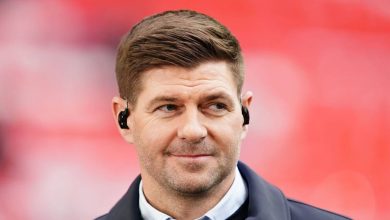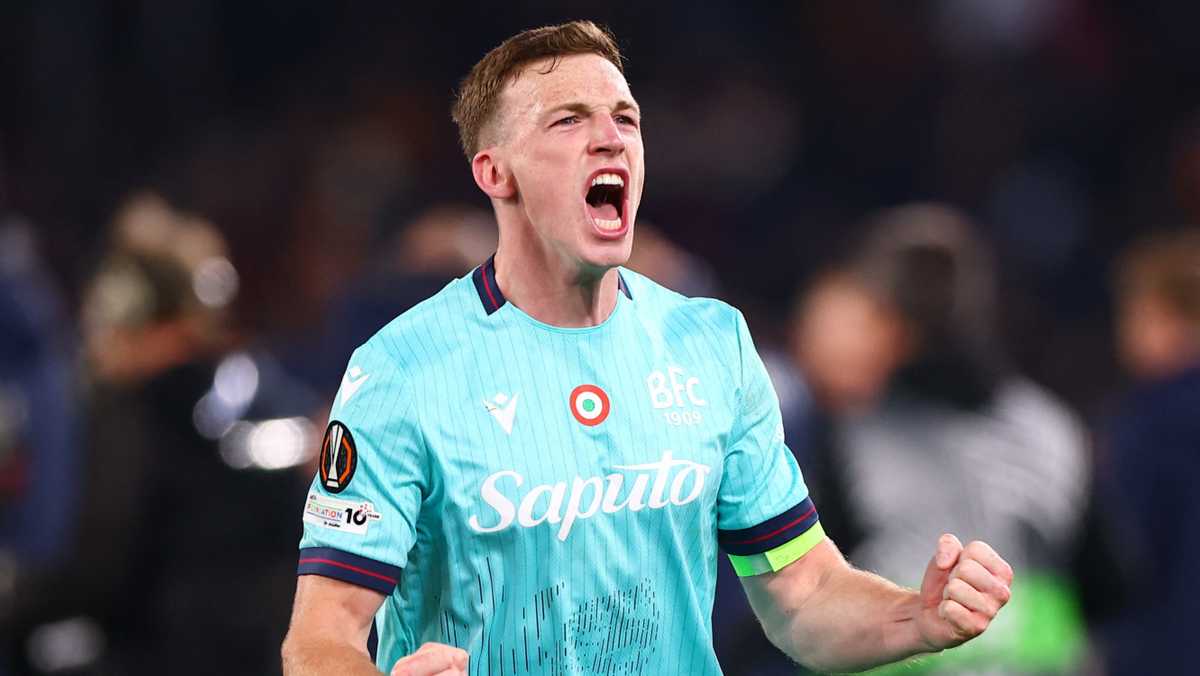
The summer of 2026 represents a pivotal moment in Rangers Football Club’s competitive trajectory. Following years of inconsistency, managerial uncertainty, and underperformance relative to the club’s considerable resources and historical status, Rangers has embarked upon the most comprehensive and ambitious squad reconstruction in recent memory. The appointment of Derek McInnes as manager, combined with an aggressive transfer strategy targeting multiple positions, signals genuine determination to challenge Celtic’s recent dominance of Scottish football and establish Rangers as genuine contenders for domestic and European honors.
Derek McInnes arrives at Ibrox with significant managerial experience and a track record of building competitive teams capable of challenging for major trophies. His previous tenure at Aberdeen, while not culminating in significant silverware, established him as a manager capable of extracting maximum performance from available resources and constructing teams that could compete effectively against more generously funded opposition. His appointment to Rangers represents an opportunity to test himself at a significantly larger club with greater resources and competing against more demanding opposition.
However, McInnes inherits a squad requiring substantial reconstruction. The previous managerial regime under Danny Rohl left Rangers in a state of relative disarray, with questions regarding tactical direction, player development, and institutional clarity. The board’s decision to move away from Rohl and appoint McInnes signals recognition that significant changes were required—both at managerial level and throughout the squad.
What has emerged during the summer of 2026 is a transfer strategy reflecting McInnes’ ambitions and his vision for how Rangers should be constructed. Through a series of calculated acquisitions targeting specific positions and profiles, McInnes is attempting to build a squad capable of competing at the highest level domestically while also possessing sufficient quality to function effectively in European competition.
The summer acquisitions reveal a carefully considered strategy balancing immediate competitive requirements with long-term squad development. Rather than pursuing a single philosophy—either exclusively seeking established stars or exclusively recruiting young talent—McInnes has adopted a mixed approach attempting to construct a squad with genuine depth and quality across multiple profiles.
The arrivals of established performers like Lawrence Shankland represent the spearhead of this strategy. Shankland, the Scotland international striker with proven goalscoring record at Scottish Premiership level, addresses Rangers’ most obvious requirement: a reliable, established source of goals. His acquisition from Hearts signals McInnes’ willingness to invest substantially in proven quality capable of contributing immediately to competitive objectives.
Complementing Shankland are midfielders like Cammy Devlin and Dan Neil—experienced performers capable of providing defensive solidity, midfield organization, and the kind of leadership that established players bring to squad environments. Devlin specifically reunites with McInnes under circumstances where the manager understands the player thoroughly and can deploy him optimally within tactical frameworks.
Simultaneously, Rangers has pursued younger talent with development potential. The reported pursuit of Vanja Dragojevic and Jens Hjerto-Dahl reflects a strategy of supplementing immediate quality with players capable of developing into important performers over medium-to-long terms. This dual approach—combining established performers with developing talent—creates squad balance essential for sustained competitiveness.
While much attention has focused on outfield acquisitions, the goalkeeper situation deserves specific examination as a crucial element of McInnes’ reconstruction strategy. Jack Butland’s disappointing previous season, characterized by multiple errors leading directly to goals, created an obvious requirement for upgrading at this critical position.
The acquisition of Ivor Pandur from Hull City represents a pragmatic solution to this requirement. Rather than becoming involved in inflated bidding wars for marginal improvements, McInnes identified Pandur as an appropriate alternative—an established Championship goalkeeper capable of providing greater reliability than Butland while representing manageable financial expenditure.
Crucially, the presence of Allan McGregor in a coaching capacity amplifies the impact of Pandur’s acquisition. McGregor, a legendary Rangers goalkeeper whose career achievements place him among the finest shot-stoppers to play for the club, brings coaching expertise capable of developing any reasonably competent goalkeeper into a reliable performer. The combination of Pandur’s established capability with McGregor’s world-class coaching creates a situation where Rangers should expect genuine improvement in goalkeeping quality and reliability.
This decision to deliberately avoid involvement in the Anthony Patterson bidding war—despite Patterson’s reported availability—demonstrates the strategic discipline characterizing McInnes’ approach. Rather than allowing identification of a positional need to override valuation judgment, McInnes maintained clear standards regarding acceptable value and transferred those standards into practice.
The defensive department has undergone substantial reconstruction, with Rangers addressing what appeared to be genuine deficiencies in central defensive capability. The departures of established defenders like Danilo and John Souttar, combined with the acquisitions of players like Ben Godfrey, signal a comprehensive defensive overhaul.
Godfrey’s loan acquisition from Atalanta brings Premier League experience and established pedigree to Rangers’ defensive lineup. While Godfrey’s career trajectory has been complicated by recent seasons involving multiple loans, his fundamental quality and experience at elite levels should provide Rangers with defensive stability. The loan structure, including an option to buy, provides appropriate risk management—Rangers acquires quality without committing to permanent expenditure until performance is assessed.
The defensive reconstruction extends beyond simply acquiring new players. The structural changes involve rebalancing the defensive department around different profiles and tactical approaches. Rather than maintaining previous defensive structures, McInnes appears to be implementing a defensive philosophy emphasizing organization, communication, and tactical discipline.
Perhaps most significantly, McInnes has pursued a comprehensive midfield reconstruction that fundamentally transforms Rangers’ capabilities in this crucial area. The acquisitions of Devlin, Neil, and the reported pursuit of multiple additional midfield options signal recognition that midfield quality and depth were limiting factors in Rangers’ previous performances.
The midfield reconstruction serves multiple strategic purposes. Defensively, the acquisition of players like Devlin—who ranked highest in the division for tackles made during the previous season—provides the kind of defensive intensity and disruption necessary to protect Rangers’ back line and reclaim possession. Offensively, the midfield additions provide the variety and quality necessary to create scoring opportunities and progress play effectively.
The strategic consideration of both Vanja Dragojevic and Jens Hjerto-Dahl as additional midfield acquisitions reflects ambition to build genuine depth at this position. Rather than contenting himself with simply replacing departing midfielders like Nicolas Raskin, McInnes is attempting to substantially elevate midfield quality and create multiple viable options for different tactical contexts.
Lawrence Shankland’s acquisition represents far more than simply adding another striker to Rangers’ roster. Instead, it represents addressing a fundamental competitive deficiency that has plagued Rangers during recent seasons—consistent, reliable goalscoring from the primary attacking player.
Shankland’s career record—88 goals in 171 Hearts appearances alongside 66 goals in 162 Premiership matches—speaks to an extraordinary level of clinical finishing. At Scottish Premiership level, he has demonstrated the kind of consistent productivity that characterizes elite forwards. His acquisition at Rangers provides the club with a proven, established source of goals capable of delivering the kind of scoring productivity necessary to compete for domestic titles.
Furthermore, Shankland’s arrival creates tactical opportunities for McInnes. Rather than needing to develop or rehabilitate striking talent, McInnes can immediately deploy an established goalscorer who understands Scottish Premiership demands and has proven capability at the required level.
While the recruitment strategy appears coherent and carefully considered, Rangers faces genuine challenges regarding squad integration. The club has acquired numerous players during an extraordinarily compressed timeframe. Pre-season preparation, normally extending over 5-6 weeks, must accomplish the integration of multiple new signings while simultaneously preparing the team for competitive football commencing within just over two weeks of the reported transfer activity.
Integration challenges extend beyond merely ensuring new players understand tactical systems. They involve developing the kind of familiarity, communication, and mutual understanding that characterize successful teams. Players who have recently joined a club require time to develop partnerships with teammates, understand how colleagues operate, and develop the instinctive understanding that separates merely competent squads from genuinely excellent ones.
The compressed timeframe creates additional pressure. Rather than having extensive pre-season to gradually build fitness, understanding, and team cohesion, McInnes must work rapidly to prepare Rangers for competitive football. This compression increases the importance of acquiring players—like Devlin—who have previously worked under McInnes and understand his requirements without requiring extensive explanation or adjustment.
While domestic Scottish football represents the primary competitive focus, Rangers’ ambitions extend into European competition. The club aspires to compete effectively in European cup competitions and, ideally, to progress through qualifying rounds and establish itself in group stages of continental competitions.
European football presents different tactical and technical demands compared to domestic football. The quality of opposition, the sophistication of tactical approaches, and the physical intensity of European competition all require squad quality exceeding what is merely necessary to compete domestically.
The recruitment strategy appears to recognize this reality. Rather than simply acquiring players capable of competing at Scottish Premiership level, McInnes has targeted players with European experience or proven capability at elevated levels. Godfrey’s Premier League background, Pandur’s Championship experience, and the ongoing pursuit of players like Lewis Ferguson all reflect recognition that European competition requires different quality standards.
While Rangers possesses significant financial resources, the club operates within constraints requiring fiscal responsibility and sustainable financial management. The ambitious recruitment strategy must be funded, either through incoming transfer fees from departing players or through appropriate financial management.
The apparent strategy of facilitating departures like Nicolas Raskin, while pursuing corresponding acquisitions, reflects appropriate financial planning. Rather than simply spending available resources without corresponding departures or revenue generation, Rangers is managing cash flow and financial sustainability while pursuing competitive objectives.
This financial discipline, combined with the strategic approach to recruitment, suggests that decision-making at Rangers is being guided by principles of sustainable development rather than merely short-term expenditure in pursuit of immediate success.
Rangers’ competitive prospects must be understood within the context of Celtic’s recent dominance of Scottish football. Celtic has established itself as the consistently superior team in Scottish domestic competition and has achieved this dominance through sustained investment in squad quality and managerial stability.
For Rangers to challenge Celtic’s dominance, the club requires not merely one successful transfer window but sustained recruitment excellence, effective player integration, and managerial stability extending over multiple seasons. The current summer window represents merely the foundation upon which sustained competition must be built.
McInnes’ task involves not simply constructing a team capable of challenging Celtic during the 2026-27 season but establishing the infrastructure and personnel for sustained competition over multiple years. This represents a significantly more complex challenge than merely assembling talent for a single campaign.
Beyond the technical aspects of squad construction and tactical preparation, the psychological dimension of Rangers’ reconstruction deserves consideration. The summer activity, combined with the evident ambition and strategic planning demonstrated through recruitment decisions, generates momentum and supporter confidence.
For a club that has experienced recent periods of uncertainty and underperformance, the appointment of an established manager with clear vision, combined with comprehensive recruitment addressing obvious deficiencies, provides genuine grounds for optimism. Supporter confidence and positive psychology represent genuine competitive factors that can influence team performance and results.
The patience and discipline demonstrated through decisions like the Patterson rejection, combined with the ambition demonstrated through the Shankland acquisition, communicate to supporters that decision-making at Rangers is being guided by strategic vision rather than panic or desperation.
Derek McInnes’ tactical approach, developed during his previous tenure at Aberdeen and refined through experience managing at various levels, emphasizes defensive organization, disciplined tactical execution, and the development of team cohesion. His approach is not characterized by extravagant attacking football or radical tactical innovation; instead, it emphasizes building teams that defend effectively and create scoring opportunities through controlled, organized play.
This tactical philosophy influences recruitment strategy. Rather than pursuing players known primarily for individual technical brilliance or attacking flair, McInnes appears to prioritize players capable of executing tactical discipline, contributing defensively, and functioning effectively within structured team frameworks.
Players like Devlin, who excels at disrupting opposition play and reclaiming possession, align perfectly with this tactical philosophy. Even the pursuit of younger talent like Hjerto-Dahl appears motivated by recognition that such a player’s defensive output and work-rate would complement more creative teammates.
What emerges from examining McInnes’ recruitment strategy and managerial approach is a picture of a manager pursuing sustainable competitive development rather than short-term trophy-hunting. While winning trophies remains the ultimate objective, McInnes appears focused on building the infrastructure—both in terms of playing personnel and institutional culture—necessary for sustained competition.
This approach carries risks. By prioritizing long-term sustainable development over immediate success, McInnes accepts that the 2026-27 season might not immediately produce the trophy success that Rangers supporters crave. However, it also suggests that if McInnes’ strategy succeeds, Rangers can establish itself as a genuine competitor to Celtic on a sustained basis.
The summer of 2026 represents the commencement of what may prove to be a genuinely transformative era for Rangers Football Club. The appointment of Derek McInnes, combined with comprehensive recruitment addressing positional deficiencies and strategic weaknesses, signals genuine determination to establish Rangers as a major competitive force.
The ambitious acquisition strategy, the disciplined approach to transfer valuation, and the apparent focus on building sustainable competitive infrastructure all suggest sophisticated management both on and off the pitch. Whether this strategy ultimately succeeds in challenging Celtic’s dominance and establishing Rangers as a genuine champion remains to be determined.
What is certain is that Rangers has embarked upon a different strategic path than recent years. The club has appointed a manager with established experience, supported him with significant recruitment resources, and created the foundation for potential sustained competitive success.
The coming season will be crucial in determining whether McInnes’ vision and strategy can translate into competitive success on the pitch. The integration of new signings, the tactical implementation of McInnes’ philosophy, and the ability to compete against established rivals will all be tested beginning with the first competitive fixture against Dundee United on July 31.
For Rangers supporters, there is genuine cause for optimism. The systematic approach to reconstruction, the clear strategic vision evident in recruitment decisions, and the appointment of an experienced manager capable of implementing coherent tactical philosophy all suggest that better times may lie ahead for Rangers Football Club.
Whether the optimism proves justified or whether the ambitious strategy fails to deliver championship success remains to be seen. However, the evidence suggests that Rangers is at least pursuing competition in an intelligent, strategic manner—the foundation upon which sustained success can potentially be built.
The McInnes era has begun. Whether it culminates in championship success remains to be written, but the early indicators suggest a club moving in a positive direction under clear strategic leadership.