Rangers have found a player who could rob the number 7 from Shankland & he isn’t a forward – opinion

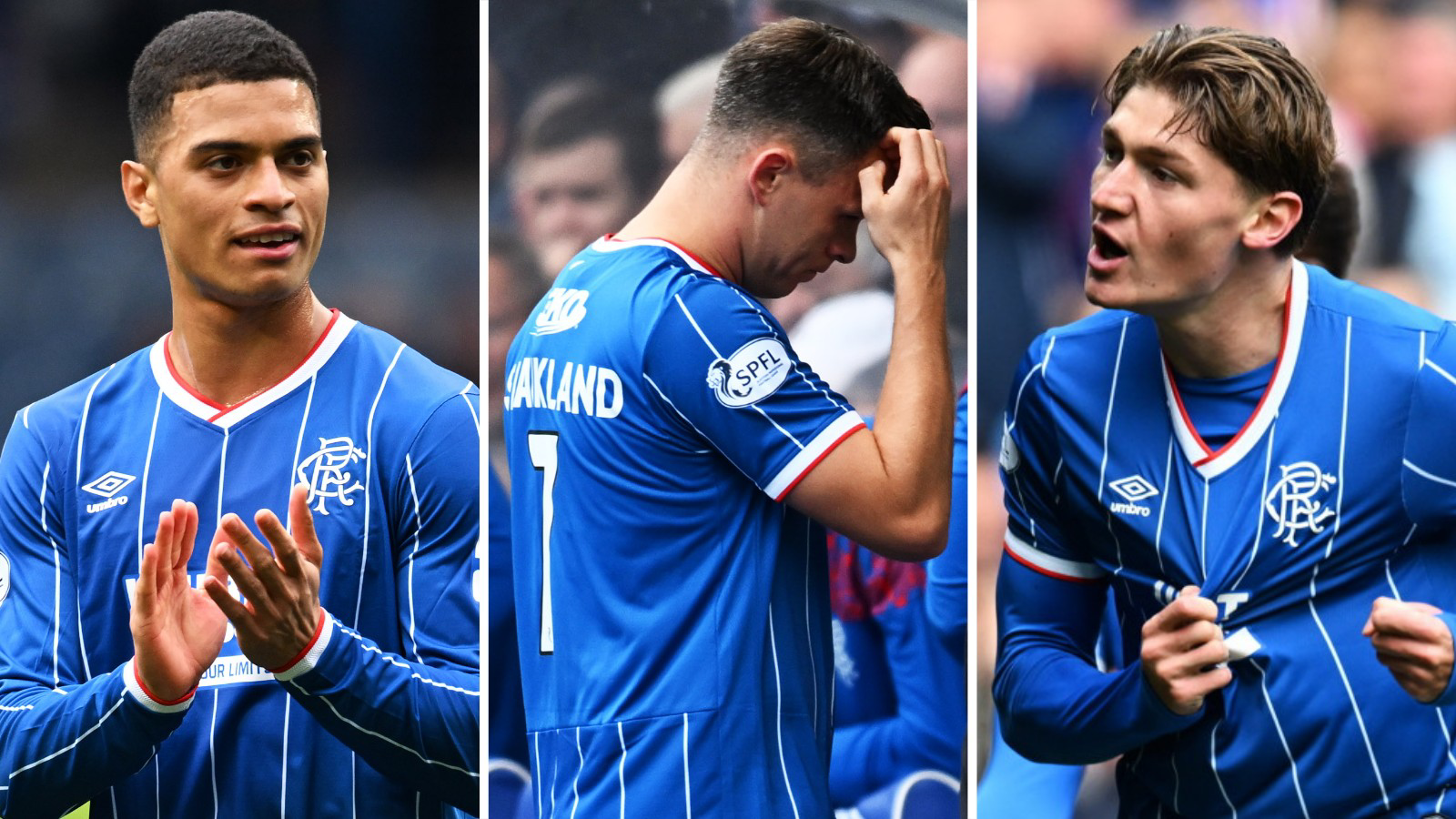
Rangers have found a player who could rob the number 7 from Shankland — and he isn’t a forward. That is an interesting possibility that deserves attention, especially when you consider what the famous shirt represents at Ibrox and the different qualities that can make a player stand out.
For many Rangers supporters, Lawrence Shankland would be an obvious choice for the number 7 shirt. He is a striker, and the number has traditionally been associated with players who can make things happen in the final third. However, football is not always that simple. Sometimes, the player who deserves the most recognition is not the one who scores the goals but the one who creates the opportunities in the first place.
That is where this debate becomes interesting. What if Rangers have a midfielder who could make an even stronger case for the number 7 than a recognised striker? What if the player capable of changing this conversation is someone who operates in the middle of the pitch rather than leading the attack?
It might sound surprising, but there is a genuine footballing argument behind the idea.
The number 7 shirt is more than just a number on a player’s back. At a club like Rangers, it carries expectations. Supporters want to see players who can take responsibility, deliver important performances and produce moments that can change the direction of a match. Whether that player is a striker, winger or midfielder should not necessarily be the deciding factor.
Shankland has the profile of a player who could make the shirt his own. A striker is expected to score goals, find space in the penalty area and deliver when opportunities arrive. Those qualities are particularly important at Rangers, where supporters expect their team to create chances and compete for major honours.
However, there is another side to football that sometimes receives less attention. A team can have an excellent striker, but if the midfield cannot supply him with quality passes, create space or break down stubborn opposition defences, his influence can become limited.
That is why a creative midfielder could enter this conversation.
Imagine Rangers facing an opponent that sits deep, protects the penalty area and refuses to give the attacking players room to operate. Shankland could make intelligent runs, but the defenders might be waiting for him. The wingers could attempt to create opportunities, but the opposition might close down the available spaces.
In such a situation, Rangers would need somebody capable of producing something different.
A midfielder with vision could find a pass that others cannot see. A player with excellent ball control could escape pressure and carry the ball into dangerous areas. Someone with the confidence to shoot from distance could force defenders to step forward, creating space for the striker.
These contributions can be just as important as scoring goals.
A striker might receive the praise for finishing a move, but the midfielder who started the attack could have been responsible for making the goal possible. Both players deserve recognition, and neither should automatically be considered more important simply because of his position.
This is why Rangers should not limit the number 7 conversation to forwards.
If a midfielder can consistently create chances, contribute goals and influence important matches, he could become an attractive candidate for the shirt. The discussion would then be about performance, quality and influence rather than simply whether the player operates in attack.
For Shankland, that should not necessarily be viewed as a threat. Competition can be healthy, and Rangers need a squad in which players continually demonstrate their value.
The striker’s strongest argument would always be his performances on the pitch. If he scores important goals, contributes to victories and shows that he can handle the pressure of playing for Rangers, supporters will have plenty of reasons to back him.
But another player should also be allowed to make his own case.
One of the most interesting aspects of modern football is how much the traditional positions have changed. Midfielders are no longer expected simply to win possession and pass the ball to someone else. Many are now responsible for creating chances, arriving in the penalty area, scoring goals and controlling the rhythm of matches.
Some midfielders have become the creative centre of their teams. They dictate how quickly the ball moves, identify weaknesses in the opposition’s formation and decide when to accelerate an attack.
At Rangers, those qualities could be particularly valuable.
Domestic matches often require patience because opponents are prepared to defend for long periods. Breaking down those defences requires intelligent movement, quick passing and players who can make good decisions under pressure.
A midfielder who can provide those qualities could become one of the most influential players in the squad.
And if that player also has the personality to take responsibility during difficult moments, supporters might begin to see him differently. Instead of viewing him as someone who simply supports the attack, they could recognise him as a player capable of deciding games.
That is the kind of contribution that makes the number 7 debate worth having.
Of course, there is an important distinction between saying that a midfielder could challenge Shankland for the shirt and claiming that Rangers have already decided to make such a change. Without a confirmed name and reliable information about the club’s current shirt arrangements, it would be wrong to present the possibility as an official development.
Nevertheless, the footballing argument remains valid.
The best player for the number 7 shirt does not necessarily have to be the team’s main goalscorer. Depending on the club’s traditions and preferences, the number could suit a creative player who brings something different to the team.
For some supporters, the ideal number 7 will always be an exciting attacker who can beat defenders and score spectacular goals. For others, it will be a player who combines creativity with consistency and has the ability to influence a match from different areas of the pitch
Both views have merit.
What matters most is that the player wearing the shirt understands the expectations that come with representing Rangers.
Shankland could make a strong case through his work as a striker, but a midfielder could make an equally convincing argument through his passing, movement and ability to create opportunities for teammates.
The debate becomes even more interesting when considering how the two types of players could work together.
A creative midfielder and an effective striker can form a productive partnership. The midfielder supplies the passes, draws opponents out of position and creates openings, while the striker uses his movement and finishing ability to turn those opportunities into goals
Rangers would benefit more from having both players perform well than from turning the number 7 into a source of unnecessary division.
The club’s priority should be winning matches, competing for trophies and building a team that can handle different tactical challenges.
If Shankland is scoring regularly and a midfielder is providing the creativity behind him, both could become vital to Rangers’ ambitions.
That is why the argument should not be reduced to one player taking something away from another. It should be about recognising the different ways players can contribute to the team.
At the same time, shirt numbers can become part of a player’s identity. Supporters often associate particular numbers with certain qualities, and the number 7 is no exception. It can represent flair, creativity, confidence and the ability to produce something special when a match needs it.
Those qualities are not exclusive to forwards.
A midfielder who can dictate possession, create chances and score important goals could embody many of the same characteristics. If he consistently performs at a high level, supporters would have every reason to discuss whether he deserves greater recognition.
However, the number itself should never become more important than the football.
A player can wear an iconic number without producing iconic performances. Another player can wear a less celebrated number and become one of the team’s most important figures.
Ultimately, performance is what matters.
If Shankland wants to establish himself as the natural choice for the number 7 shirt, his performances will provide the strongest evidence. The same applies to any midfielder who might be considered an alternative.
Neither reputation nor position should automatically settle the argument.
Rangers need players who can perform consistently, contribute under pressure and help the team achieve its objectives. A player who can deliver those qualities deserves recognition, regardless of where he operates on the pitch.
There is also a broader tactical issue for Rangers to consider. The team cannot depend entirely on one striker to produce attacking results. It needs creativity from midfield, intelligent movement from wide players and enough variety to prevent opponents from predicting every attacking move.
When the midfield contributes effectively, the striker benefits. He receives better service, has more opportunities to find space and can focus on the responsibilities that suit his strengths.
When the midfield struggles, even a talented forward can find it difficult to make an impact.
That is why a creative midfielder could be so important to Rangers. His influence might not always be obvious in the statistics, but his ability to control games and create opportunities could have a significant effect on the team’s results.
And if he becomes one of the first names on the team sheet, the conversation about his importance will naturally grow.
Supporters might begin asking whether the club should recognise his contribution in a different way. Some could argue that the number 7 should belong to the player who makes the team tick, while others would insist that it should remain with a forward who delivers goals.
There is no universally correct answer.
Different clubs have different traditions, and every supporter has a personal interpretation of what the number represents. The important thing is that Rangers choose their players based on what they can contribute rather than allowing shirt numbers to determine their roles.
For Shankland, the arrival of a strong creative midfielder could even be an advantage. Better service could help him score more goals, improve his contribution and become more effective in the final third.
Rather than competing against each other, the two players could help one another succeed
That would be the ideal outcome for Rangers.
The club does not need to choose between goalscoring and creativity. It needs both. It needs a striker who can finish chances and midfielders who can create them. It needs players who understand their responsibilities and work together to achieve the same objective.
If a midfielder emerges as one of the team’s most influential performers, the number 7 discussion will become a natural part of the conversation surrounding his development.
But until there is reliable evidence identifying a specific player and confirming a possible change, the suggestion that someone is about to take the number from Shankland should remain an opinion rather than a reported fact.
The most important question is not whether Shankland deserves to lose the shirt. It is whether Rangers have another player whose qualities could make him a convincing candidate for it.
A forward can bring goals, movement and a constant threat in the penalty area. A midfielder can bring vision, creativity and the ability to unlock defences. Both can be valuable, and both can make a strong case for recognition.
In the end, Rangers supporters will judge the players by what they see on the pitch. If Shankland delivers the goals, he will strengthen his position. If a midfielder consistently produces outstanding performances, his influence will become difficult to ignore.
That is what makes football so interesting. A player does not have to occupy the most obvious position to become one of the most important figures in a team.
Sometimes, the person creating the opportunities can be just as valuable as the one finishing them.
And if Rangers really do have a midfielder capable of making that kind of difference, perhaps the number 7 debate deserves more attention than it initially appears to.
What do you think, Rangers fans? Should Lawrence Shankland keep the number 7, or could a creative midfielder make a stronger case for wearing it? Would you give the shirt to a player who creates the goals rather than the one expected to score them?








