
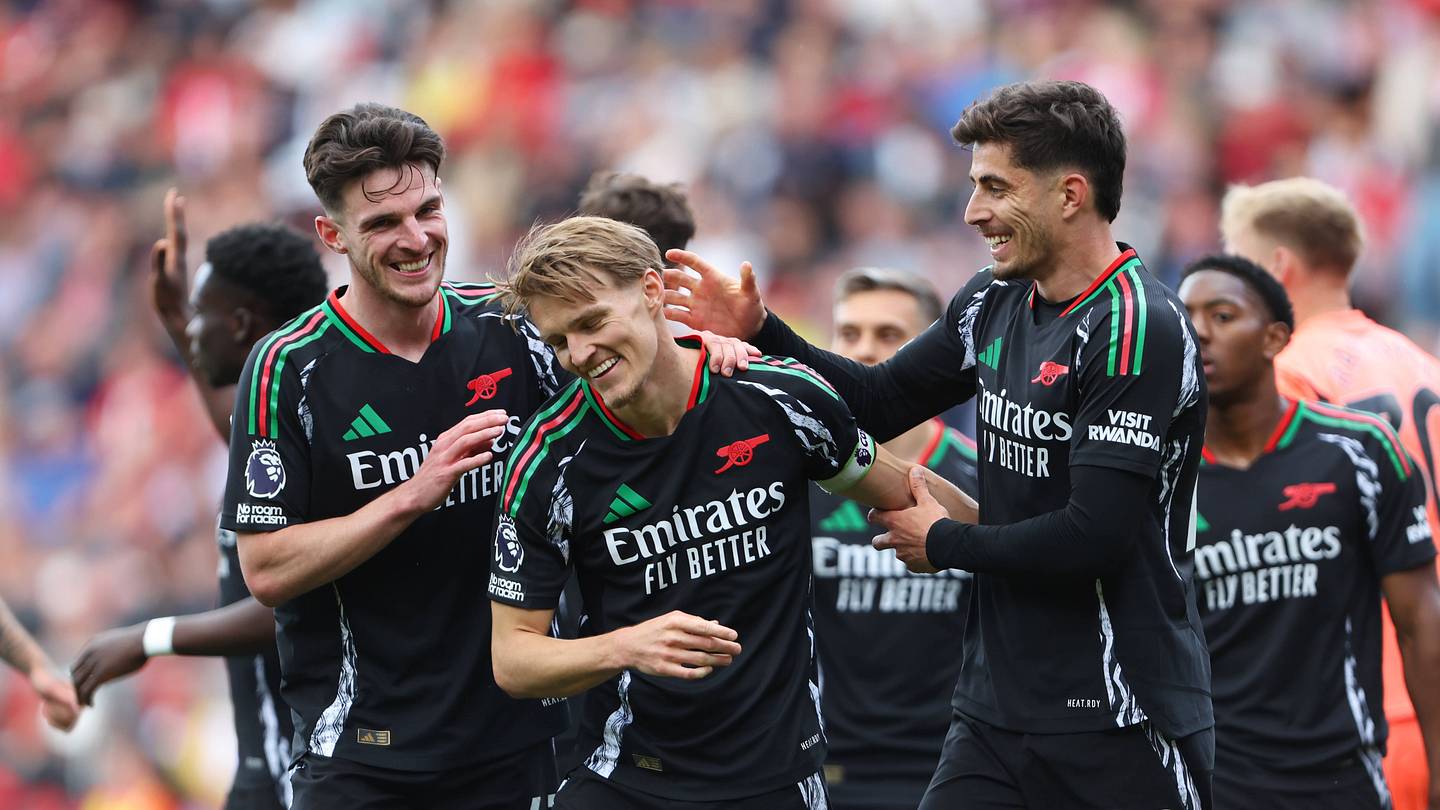
Rangers could be preparing for an exciting move in the January transfer market, with reports suggesting that the Ibrox club are exploring the possibility of signing Arsenal youngster Max Dowman on loan. The highly rated teenager has attracted attention because of his talent and progress at Arsenal, and a potential move to Scotland could provide an interesting opportunity for both the player and the Scottish giants. Although nothing has been confirmed, the reported interest has already created an intriguing possibility for Rangers supporters who want to see their club strengthen its attacking options.
According to a report published by Football Insider on October 9, Rangers are among the clubs monitoring Dowman’s situation ahead of the January transfer window. Celtic are also reportedly interested in the youngster’s situation, potentially setting up an interesting contest if Arsenal decide that a temporary move would benefit his development. However, there is currently no confirmed agreement between Rangers and Arsenal, and supporters should not assume that the teenager is on his way to Ibrox. Much will depend on Arsenal’s plans, the opportunities available to Dowman in London and whether Rangers can offer the right environment for his development.
For Rangers, the possibility of bringing in a promising Arsenal talent could represent an opportunity worth investigating. The club must continue looking for players who can improve the squad, provide additional attacking options and help the team compete more effectively in important matches. A loan deal could offer a way to strengthen the team without committing to a permanent transfer, provided the financial conditions and the player’s expected role make sense.
The biggest question, however, is whether Dowman would be the right addition for Rangers at this stage of his career. The club cannot afford to recruit players simply because they have impressive reputations or because their names generate excitement among supporters. Every signing must have a purpose, and the manager must be convinced that a new arrival can contribute to the team’s plans.
Dowman’s reported availability is interesting because young attacking players can bring qualities that are difficult to find elsewhere. They can offer energy, creativity, movement and the confidence to attempt things that established players might approach differently. If Rangers believe the Arsenal youngster possesses qualities that would improve their attacking play, exploring a possible loan would be a sensible step.
However, talent alone does not guarantee success at a demanding club like Rangers. A young player must learn how to deal with experienced opponents, adapt to different tactical systems and perform consistently when the pressure increases. The Scottish game also presents its own challenges, and any player arriving from another footballing environment would need time to adjust.
That is why Rangers must approach this potential opportunity carefully. Arsenal would need to believe that sending Dowman to Scotland would support his development, while Rangers would need to demonstrate that they could provide the opportunities necessary for him to progress. Without a clear plan, even a promising loan signing could struggle to make the desired impact.
Arsenal have an important decision to make regarding the teenager’s future. Keeping him within their first-team environment would allow the club to continue supervising his development, working with him in training and introducing him to senior football when appropriate. On the other hand, a temporary move could provide valuable competitive experience if Arsenal believe regular football elsewhere would help him improve.
Both options have advantages, and the final decision will depend on Arsenal’s assessment of what Dowman needs at this stage of his career. If the London club believe he is progressing well within their current setup, they may decide that there is no reason to send him away. If they believe a loan would provide a better pathway, Rangers could have an opportunity to present their case.
The January window could therefore become an important period for the youngster. According to reports surrounding the situation, his age is a significant consideration, with a potential loan becoming an option around the time he turns 17 at the end of December. That makes January a possible opportunity for clubs interested in his services, although Arsenal would still need to decide whether such a move is appropriate.
For Rangers, the timing could be useful if the club wants to assess its attacking options before the second half of the season. By monitoring developments early, the recruitment team can determine whether Dowman would be a realistic target or whether its resources would be better directed towards other players.
The manager must also consider how the youngster would fit into the existing squad. Rangers need to understand the role he could perform, the positions where he might be most effective and whether his strengths would complement the players already available. Bringing in another attacker makes little sense if the club cannot identify a clear role for him.
If the team needs greater creativity in the final third, a player capable of carrying the ball, finding space and creating opportunities could be valuable. Rangers regularly encounter opponents who defend deep and attempt to frustrate their attacking players. Against those teams, individual quality can make a significant difference.
A clever pass, a quick change of direction or an unexpected attacking run can create an opening when the opposition appears comfortable. Rangers need players who can help unlock those situations, particularly in matches where possession alone is not enough to produce goals.
However, it would be unfair to suggest that Dowman would arrive at Ibrox and immediately solve every attacking problem. Even highly rated youngsters require time to adapt to new teammates, understand their manager’s instructions and learn the demands of a different league. His development would need to be managed carefully rather than judged entirely on his first few appearances.
That is an important consideration for Rangers because expectations at Ibrox are high. Supporters want players who can contribute immediately, particularly when the team is competing for major honours. A teenager arriving on loan could provide useful options, but the club must recognise that his progress might not be straightforward.
The best approach would be to give him a clear role while allowing him to develop naturally. He would need to compete for opportunities, demonstrate his qualities in training and learn from the experienced players around him. If the manager believes he is ready for competitive action, he should receive opportunities that reflect his progress and the team’s needs.
Arsenal would also want assurances that a temporary move would provide meaningful benefits. The purpose of a loan should be to help the player improve, not simply to place him at another club for the remainder of the season. If Dowman were to spend most of his time on the bench, Arsenal could reasonably question whether the arrangement had achieved its intended purpose.
This is where Rangers would need to make a convincing argument. The club would have to explain how the youngster could fit into its plans and why the Scottish environment would be suitable for his development. The attraction of playing at Ibrox would be important, but it would not be enough without a credible footballing plan.
The reported interest from Celtic could make the situation more complicated if Arsenal eventually decide to allow the player to leave. Football Insider’s report suggests that the Parkhead club are also monitoring developments, although there is no confirmation that either Scottish side has reached an agreement with Arsenal.
If several clubs become interested, Rangers would need to explain why Ibrox would be the best destination. A player considering a loan would naturally want to understand how much football he might receive, what responsibilities he could be given and how the move could help him reach the next stage of his career.
Rangers could point to the opportunity to compete in important domestic matches, experience the atmosphere of playing in front of large crowds and learn in an environment where results matter enormously. Those experiences can help young players develop their understanding of senior football.
However, Arsenal would need to be satisfied that the move was right for Dowman personally and professionally. His development must remain the priority, and the club would be unlikely to support a transfer simply because another team expressed interest.
The player himself would also need to be comfortable with the challenge. Moving away from a familiar environment can be a major adjustment for a young footballer, particularly when the expectations surrounding his performances are high. The transition would require support from the coaching staff and patience from everyone involved.
There is another important question for Rangers: should they prioritise a promising youngster or look for a more experienced player who can make an immediate impact?
Both options have advantages. An established attacker could provide greater certainty because the club would have a record of senior performances to assess. Such a player might be better equipped to handle the immediate pressure of competing for trophies and could be expected to contribute from the beginning.
A young player, on the other hand, could bring energy, unpredictability and room for development. If the terms of the loan are sensible, Rangers could gain access to an exciting prospect without making a permanent financial commitment. The challenge is ensuring that his potential translates into a useful contribution on the pitch.
For me, Rangers should not automatically dismiss the possibility of signing Dowman simply because he is young. Nor should they pursue the move only because he is associated with Arsenal. The recruitment team must decide whether his abilities match the club’s needs and whether the proposed arrangement would benefit everyone involved.
A successful transfer strategy requires balance. Rangers need players who can help them compete immediately, but they must also consider opportunities to develop younger talent. An experienced squad can provide leadership and consistency, while promising youngsters can offer additional energy and technical quality.
The manager and recruitment staff must determine which profile is most important for the second half of the season. If Rangers require a player who can immediately deliver goals and assists, an experienced attacker might be the priority. If they want to introduce another creative option who could contribute while continuing to develop, a loan for Dowman could be worth considering.
The financial conditions would also be important. A temporary deal might be more manageable than a permanent transfer, but the club would still need to consider wages, any loan fee and other potential costs. Rangers should not spend money on a player unless the expected benefits justify the investment.
There is also the possibility that Arsenal will decide against allowing Dowman to leave. The club may believe he can continue developing within its own first-team environment, especially if opportunities arise for him to gain experience in training and competitive matches.
If that happens, Rangers would need to move on to alternative targets. That would be a normal part of the transfer process rather than evidence that the club had made a mistake by exploring the opportunity.
Transfer recruitment involves investigating different possibilities, gathering information and preparing for several outcomes. Not every reported target becomes available, and not every enquiry results in an agreement. A well-run club must have alternative plans rather than depending on a single player.
Rangers should therefore continue assessing the market while keeping an eye on Dowman’s situation. If Arsenal’s position changes and a loan becomes realistic, the club could evaluate whether the opportunity fits its plans. If the player remains unavailable, attention should turn towards other options capable of strengthening the squad.
For supporters, the prospect of an Arsenal sensation arriving at Ibrox is understandably exciting. The possibility of seeing a promising young talent develop in Scotland could generate considerable interest, especially if he possesses the qualities needed to give Rangers a different attacking dimension.
But excitement should not be confused with certainty. There is a significant difference between monitoring a player and agreeing to sign him. The report indicates potential interest, but it does not establish that negotiations have reached an advanced stage or that Arsenal have agreed to release the teenager.
Until further information emerges, supporters should treat the story as a possible transfer development rather than a deal that is close to completion.
The most important factor is whether Rangers can identify a genuine footballing reason to pursue the move. Signing a player because his reputation attracts attention is not enough. The club must understand what he would bring, how he would fit into the system and whether he could contribute during the period of the proposed loan.
If those questions have positive answers, a temporary arrangement could make sense. Dowman could gain experience in a different footballing environment, Rangers could strengthen their options and Arsenal could continue supporting his development through a carefully chosen loan.
However, none of those benefits is guaranteed. The outcome would depend on the player’s readiness, the quality of the coaching environment, the opportunities available and the terms of any agreement.
That is why the next few months could be important. Arsenal must determine the best pathway for Dowman, while Rangers must decide which positions need strengthening and what kind of players would provide the greatest benefit.
If the reported interest develops into a serious pursuit, the club will need to move quickly enough to explore the opportunity while remaining disciplined about its recruitment priorities.
For now, the situation remains open. Rangers are reportedly monitoring the possibility of signing the Arsenal youngster, Celtic are also said to be interested, and Arsenal have yet to confirm whether a loan will be considered.
The January window could bring further developments, but supporters should wait for reliable confirmation before assuming that a move will happen.
Ultimately, Rangers must focus on building a squad capable of delivering results. Whether that involves bringing in Dowman, signing a more experienced attacker or pursuing another target, the decision should be based on the team’s needs rather than the excitement surrounding a particular name.
A loan could be an attractive solution if the player fits the manager’s plans, the financial terms are reasonable and there is a realistic opportunity for him to play. If those conditions are not met, Rangers would be better served by pursuing another option.
For me, the club should continue monitoring Dowman’s situation because the potential rewards could justify further investigation. However, Rangers must avoid making promises they cannot fulfil or bringing in a young player without a clear development plan.
The reported interest is certainly an interesting story for supporters to follow as January approaches. Whether it becomes a genuine transfer battle or simply another possibility that does not progress remains to be seen.
What do you think, Rangers fans? Would you welcome Max Dowman on loan from Arsenal in January, or should Rangers focus on signing an experienced attacker who can make an immediate impact?
Share your thoughts in the comments and let us know whether you believe this could be the kind of move that helps Rangers strengthen their squad for the second half of the season.








