Rangers coach bid farewell for Rangers and Rangers want to replave him with Steven Gerrard

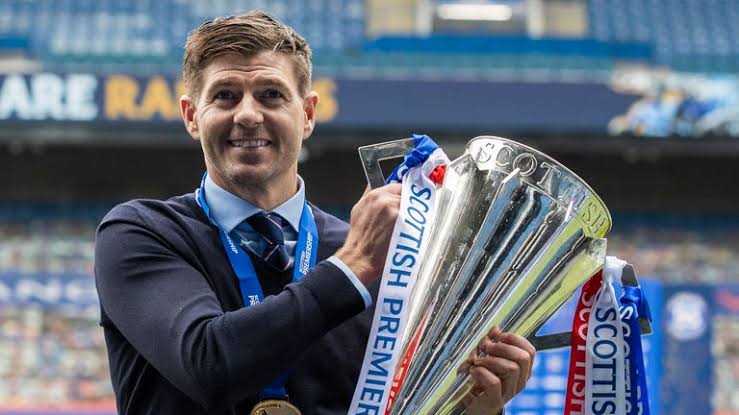
Rangers have suffered another change behind the scenes after academy coach Steven Mundell officially announced that he is leaving the club following five years at Auchenhowie. The coach shared an emotional message online on Wednesday, 14 October, thanking the staff and players he had worked with during his time at Rangers and confirming that he is ready for a new challenge. His announcement will attract attention from supporters who understand how important the academy is to the club’s future. While much of the focus at Ibrox naturally falls on Derek McInnes and the first-team squad, the work taking place behind the scenes is also important to the long-term success of Rangers. Academy coaches help young players develop the technical ability, discipline and understanding needed to progress through the ranks. Mundell has been involved in that process for several years, and his departure marks the end of another chapter in his coaching career. He described his time at Rangers as incredible and expressed gratitude to the academy staff and players who shared that journey with him. His message was short, but it reflected the importance of the relationships he built during his time at the club. Rangers will now need to consider how his departure affects their academy setup, while Mundell prepares to move forward with the next stage of his career.
Mundell announced his decision through his social media account, explaining that he was moving on after five years at Rangers. He thanked the staff and players he had the pleasure of working with and said he was excited about the new challenge ahead. The message did not reveal the identity of his next employer, so it remains unclear where he will continue his coaching career. However, his previous experience suggests that he is comfortable taking on opportunities in different environments. His coaching journey has included work in Scotland, England and China, giving him experience beyond a single club or football system. That background could be useful as he considers what comes next. Coaches, like players, must sometimes decide when it is time to leave a familiar environment and pursue a different opportunity. After five years working with Rangers’ academy, Mundell has chosen to take that step. The departure does not necessarily suggest that there has been a disagreement with the club, and there is no confirmed information indicating that he was forced out. His public message focused on gratitude and excitement about the future. For now, that is the clearest indication of his plans, and supporters should avoid assuming that he is leaving because of a problem at Auchenhowie.
Mundell’s departure is significant because Rangers have long placed importance on developing young footballers. The academy at Auchenhowie is responsible for preparing players who hope to reach the first team, and that process requires the work of many people who rarely receive the same attention as the senior players. Coaches work with young footballers at different stages of their development, helping them improve their technique, understand tactical instructions and learn how to cope with the demands of competitive football. Their responsibilities extend beyond running training sessions. They must assess individual progress, identify weaknesses, communicate with other members of the coaching staff and help players understand what they need to do to improve. That work can take years before the results become visible to supporters. A young player who eventually breaks into the first team may have benefited from the guidance of several coaches along the way. This is why changes within an academy can be important, even when they do not directly affect the senior team’s starting eleven. Rangers will need to ensure that the work Mundell has been doing continues smoothly and that young players remain supported as they move through the development system.
One of the current examples of Rangers’ academy pathway is Findlay Curtis, who has become an increasingly interesting young player for supporters to watch. Curtis has progressed into the senior environment and has earned opportunities to demonstrate what he can offer. His development is a reminder that the journey from academy football to the first team is rarely simple. Young players need coaching, patience and opportunities to show that they can handle the demands of senior football. They also need to learn how to respond when things do not go according to plan. A promising performance can generate excitement, but maintaining that standard over an entire season is a different challenge. Academy staff play an important role in helping players make that transition. Mundell worked within Rangers’ youth and professional development phases, which placed him in an environment where young players were preparing for the next steps in their careers. Although it would be wrong to attribute an individual player’s progress to one coach alone, the work of academy staff contributes to the wider environment in which those players develop. Rangers will want that work to continue, particularly as the club looks to identify more young talents who can eventually contribute to the first team.
Mundell’s relationship with Rangers goes back much further than the five years mentioned in his latest farewell message. His coaching history shows that he first worked with the club as a community coach in October 2005, remaining in that role until September 2015. He also worked in foundation and youth development, taking responsibility for coaching young players at different stages of their development. That earlier experience gave him a long connection with the club before he eventually moved elsewhere to continue his career. He joined Rotherham United in 2017, working as a lead youth development phase coach for two years before taking up a role in China. There, he became head of coaching at Chongqing No.7 High School, where he spent time working in a different football environment. He later returned to Rangers, beginning another period at Auchenhowie in September 2021. That journey demonstrates how coaching careers can move across different countries and levels of the game. Coaches gain experience from working with different players, learning new methods and adapting to different football cultures. Mundell’s decision to leave Rangers again therefore forms part of a career that has already included several changes of environment.
The fact that Mundell has decided to leave after five years does not automatically mean that Rangers’ academy is facing a crisis. Football clubs regularly experience changes among their coaching staff, and those changes can happen for many reasons. A coach may receive an opportunity elsewhere, want to take on a different responsibility or simply feel ready for a new professional challenge. Without a confirmed explanation beyond Mundell’s own announcement, it would be unfair to suggest that his departure reflects dissatisfaction with Rangers or a breakdown behind the scenes. His message thanked the people he had worked with and expressed excitement about what comes next. That is consistent with someone bringing one chapter of a career to an end while preparing for another. Nevertheless, the club will need to manage the transition properly. Losing an experienced member of staff can create a gap in knowledge and continuity, particularly when that person has spent several years working with young players. Rangers will need to make sure that responsibilities are covered and that the academy continues to provide the same level of support. The important issue is not simply who leaves, but how effectively the club responds and ensures that its young players remain on the right development path.
Rangers supporters have plenty of reasons to pay attention to the academy, even when the first team is enjoying a positive run of results. The senior squad may dominate the headlines, but a club’s long-term strength also depends on its ability to develop young players and make sensible decisions about their futures. Bringing academy graduates into the first team can provide valuable options, reduce the need to recruit in every position and create a stronger connection between the club and its supporters. However, developing a young player is not simply a matter of giving him a contract and waiting for him to become a senior footballer. The process requires careful planning, appropriate competition and the right coaching at each stage. Some players develop quickly, while others need more time before they are ready for senior football. Some eventually become first-team regulars, while others move to different clubs to continue their careers. Academy coaches help players understand those realities and prepare for the challenges ahead. Mundell’s work at Rangers formed part of that wider process, and his departure gives the club an opportunity to assess how responsibilities will be managed moving forward. Supporters will naturally want to know whether another coach will be appointed and how the academy structure will look in the coming months.
The timing of the announcement may also prompt questions because Rangers are attempting to build momentum under Derek McInnes. The first team has been working to improve its performances and maintain a strong position in the Scottish Premiership, with supporters hoping that the progress made on the pitch can continue. However, changes in the academy and changes in the first-team setup should not automatically be treated as connected events. Mundell’s role was within youth development, and there is no confirmed indication that his departure is linked to McInnes’s plans for the senior squad. The manager’s immediate responsibilities remain focused on preparing his players for upcoming fixtures, assessing fitness and selecting the strongest available team. The academy has its own responsibilities, although the two environments are connected through the club’s broader development strategy. If Rangers want to give more young players opportunities in the first team, communication between the academy and senior coaching staff will be important. Young footballers need to understand the standards expected of them and what they must demonstrate before they can compete at the highest level. The departure of one coach does not prevent that work from continuing, but it does make a smooth transition important.
There is also a wider lesson in Mundell’s decision to seek a new challenge. Football coaching is a profession that requires continuous learning, and coaches often need to move between clubs or countries to develop their experience. Working in the same environment for several years can provide stability and allow a coach to build strong relationships, but a different opportunity can offer new responsibilities and a chance to apply ideas elsewhere. Mundell’s career already includes time in England and China, so moving beyond Rangers would not be unfamiliar territory for him. His latest message suggests that he is looking forward to what comes next, although he has not publicly identified the role or organisation involved. Until that information becomes available, there is no need to speculate about the destination. What can be said is that he leaves Rangers with a substantial history of working in youth development and with experience across several football environments. That background could make him a useful addition to another coaching setup, but the nature of his next role remains unconfirmed. For Rangers, the focus should be on ensuring that the academy continues to operate effectively while the club wishes a departing member of staff well.
The academy’s importance becomes even clearer when considering how difficult it is for young players to establish themselves at a club with Rangers’ ambitions. The first team is expected to compete for trophies, and managers often have little time to wait for inexperienced players to adapt. That creates pressure on academy graduates, who may need to demonstrate their ability in training before receiving opportunities in competitive matches. Coaches help prepare them for that environment by teaching them the importance of consistency, tactical discipline and professional habits. Technical ability is important, but young players also need to understand how to manage their workload, respond to criticism and stay focused when they are not selected. A player may be talented enough to attract attention at youth level but still need considerable development before he can handle senior football. The academy must therefore balance the need to produce results in youth competitions with the wider goal of preparing players for the first team. Experienced coaches can contribute to that process by helping young footballers understand what is required at each stage. Mundell’s departure is a reminder that the people responsible for this work are important members of the club, even when their contributions receive less public attention than those of the players.
Rangers will also need to consider the knowledge and relationships that Mundell developed during his time at Auchenhowie. Coaches who work with youth players over several seasons often build an understanding of their strengths, weaknesses and personalities. That information can help the club make decisions about training, development plans and future opportunities. When a coach leaves, it is important that relevant information is shared with the remaining staff so that players do not lose continuity in their development. This is a normal part of professional football, and well-organised clubs should be prepared for staff changes. Rangers have a responsibility to make sure that the academy remains focused on its priorities and that young players continue to receive clear guidance. The club may already have staff members capable of taking on additional duties, but any changes must be handled carefully. A strong academy should not depend entirely on one person. It should have a structure that allows coaches to work together, share knowledge and support players even when individual members of staff move on. If Rangers manage the transition effectively, Mundell’s departure does not have to disrupt the progress of the young footballers currently working through the system.
For supporters, the announcement may be another reminder that football clubs are made up of much more than the players who appear on matchday. Coaches, analysts, medical staff, recruitment specialists and academy workers all contribute to the wider operation. Their work can have a long-term impact even when it is not immediately visible. A coach may spend years helping a young player improve before that player finally earns a senior debut. When the player succeeds, the attention usually goes to the footballer and the manager who selected him, while the people who helped prepare him remain in the background. That is part of the job, but it does not make their contribution unimportant. Mundell’s farewell message offered a brief opportunity to recognise the people he worked with and the experience he gained during his time at Rangers. His decision to leave is a personal career development, but it also provides a moment for the club to reflect on the role its academy staff play. If Rangers want to keep producing young players who can challenge for first-team places, they must continue investing in coaching and maintaining a strong development structure.
There will inevitably be curiosity about where Mundell goes next, particularly because his career has already taken him outside Scotland. His experience at Rotherham United and in China shows that he has worked in environments with different demands and opportunities. The global nature of football means that coaching roles can appear in different countries, and professionals sometimes have to decide whether a new position is worth leaving a familiar club. Mundell’s message suggests that he has made that decision and is ready to move forward. However, until he announces his next destination, any claim about where he will work would be speculation. The important confirmed information is that he is leaving Rangers after five years in his latest academy role and that he thanked the staff and players he worked alongside. His coaching career began with Rangers much earlier than that, meaning this departure closes another chapter in a relationship that has lasted across different periods. He has now chosen to look for a fresh challenge, and his next appointment will determine what the next stage looks like. Rangers supporters can follow that development when further details become available.
The club must now focus on what happens next at Auchenhowie. Rangers will want to maintain stability within their youth system and make sure that players continue to receive the support they need. That could involve redistributing responsibilities among the existing staff or appointing someone new, depending on the club’s plans. There is no confirmed announcement about a replacement in the reporting surrounding Mundell’s departure, so it would be premature to suggest that a particular coach will take over. What matters is that the academy remains organised and that the club continues to work towards its development goals. Young players need clear expectations, regular feedback and opportunities to test themselves against strong opposition. They also need a pathway that allows the best performers to progress without being rushed into senior football before they are ready. Rangers have invested considerable effort in developing their academy structure, and the club will want to protect that work through any staffing changes. Mundell’s exit creates a transition, but it also gives Rangers a chance to review how the coaching team operates and ensure that it is prepared for the next stage of the season.
Ultimately, Steven Mundell’s departure is a notable change behind the scenes at Rangers, but it should be viewed in its proper context. He has announced that he is moving on after five years in his latest spell with the academy, described the experience as incredible and thanked the staff and players who worked alongside him. His coaching career has already taken him through community football, youth development, English football and a role in China, so his next move will be another step in a career that has included several different environments. The destination has not yet been confirmed, and there is no evidence that his departure represents a wider problem at Rangers. The club’s responsibility now is to maintain continuity at Auchenhowie and ensure that the young players continue to receive the coaching and guidance needed to develop. The first team will remain the main focus for many supporters, especially as McInnes looks to build on recent results, but the academy will continue to matter to Rangers’ future. Mundell has thanked the people he worked with and made his decision to leave public. His next chapter is now ahead of him, while Rangers must make sure their youth development work continues without interruption.








