Rangers strike pre-January agreement to sell Nico Raskin as club agree eight-figure fee – report

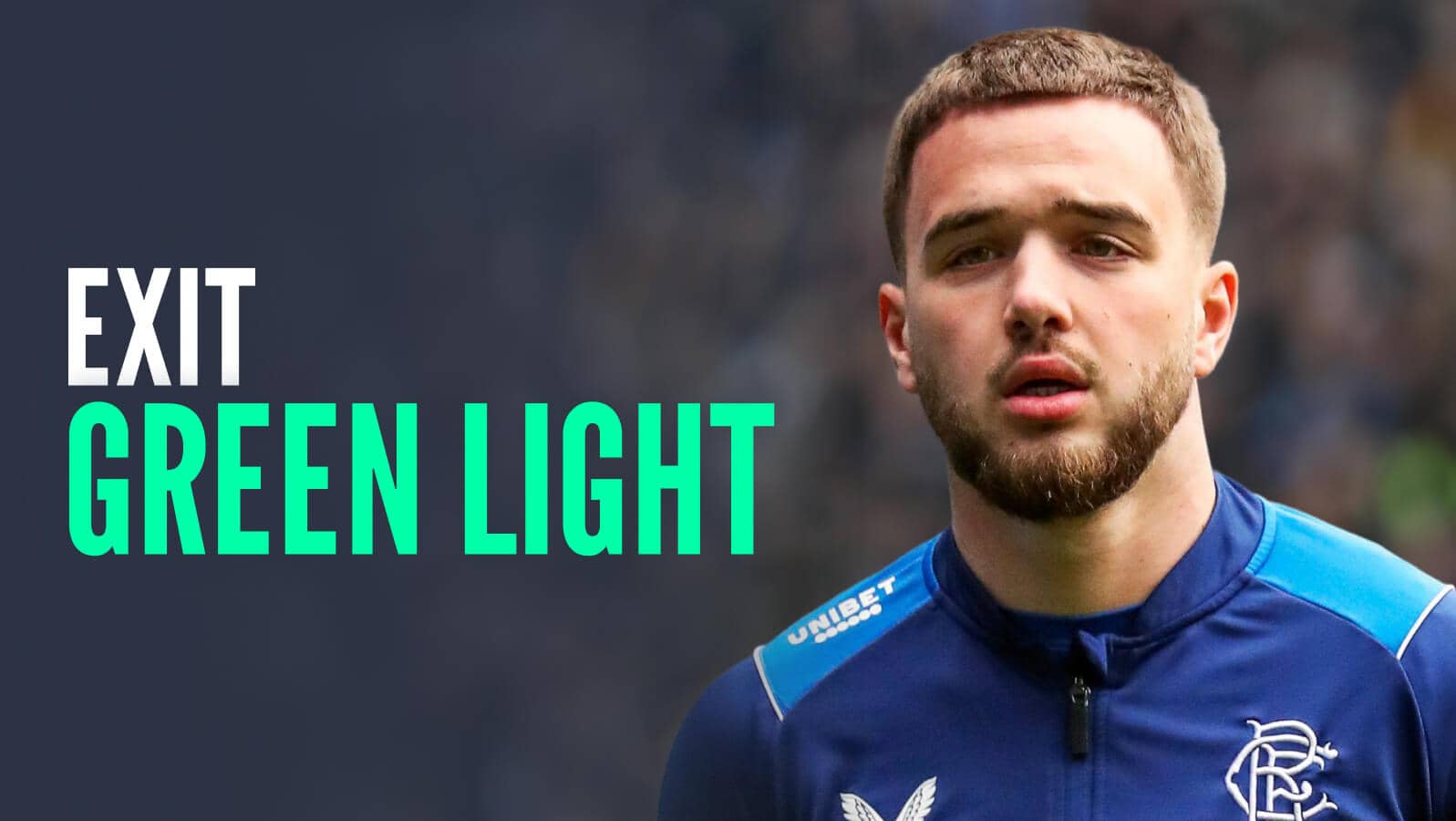
Rangers have reportedly reached a pre-January agreement over the sale of Nico Raskin, with an eight-figure fee said to have been agreed as speculation continues over the midfielder’s future at Ibrox. If the report proves accurate, the development could represent one of the most significant transfer decisions facing the club ahead of the winter transfer window.
Raskin has become an important name in discussions surrounding Rangers, with his performances in midfield making him a player who attracts attention whenever questions arise about the club’s transfer plans. The Belgian midfielder has qualities that can make him valuable to a team looking to compete at the highest level of Scottish football, but his future could now become a major talking point if Rangers are prepared to sanction his departure for the right price.
The report claiming that an agreement has been reached before January will naturally attract attention from supporters who want to understand what is happening behind the scenes at Ibrox. An eight-figure fee would represent a substantial amount of money, potentially giving Rangers the opportunity to strengthen several areas of their squad if the transfer eventually goes through.
However, there is an important distinction between a reported agreement and an officially confirmed transfer. Until Rangers, the buying club or the player provides confirmation, supporters should treat the details as transfer speculation rather than a completed deal. The identity of the interested club, the precise terms of any agreement and the final decision on Raskin’s future remain important details that would need to be established.
For Rangers, the situation raises a difficult question. Should the club hold on to a midfielder who could contribute to its ambitions for the remainder of the season, or should it consider a substantial offer that could help finance further recruitment? There are convincing arguments on both sides, and the answer will depend on the financial terms, the manager’s plans and the availability of suitable replacements.
Selling an important player is never simply a matter of receiving a large transfer fee. Rangers would also need to consider how his departure might affect the balance of the team, the manager’s tactical options and the club’s ability to compete in domestic competitions. A deal that looks attractive financially could create significant problems on the pitch if the money is not reinvested wisely.
Raskin’s importance to the midfield is therefore central to any discussion about a possible January departure. Midfielders are often judged by their goals and assists, but their contribution goes much further than the statistics that appear on a scoresheet. Their ability to win possession, move the ball forward, support teammates and maintain the team’s structure can determine how effectively a side performs throughout a match.
When a club considers selling a player in this position, it must assess whether another member of the squad can take over those responsibilities. If Rangers believe they already have a suitable replacement, accepting a substantial fee could become a more realistic option. If not, the club could find itself searching for a new midfielder during a transfer window when competition for available players can be difficult.
January is particularly challenging for clubs looking to strengthen their squads. Teams are often reluctant to release important players halfway through a season, while selling clubs may demand higher fees because they have limited time to find replacements. Rangers would need to consider those circumstances before deciding whether the reported agreement represents a sensible opportunity.
There is also the question of timing. A pre-January agreement could allow all parties to prepare for a transfer before the window officially opens, provided that the reported arrangement exists and the relevant conditions are satisfied. Such an approach could give Rangers time to identify potential replacements and begin planning for the second half of the campaign.
Nevertheless, preparation alone would not guarantee that the transfer would be completed. Personal terms, contractual requirements, medical examinations and the final approval of the clubs involved can all influence whether a proposed move reaches the finish line. Supporters should therefore avoid assuming that an agreement reported in the media automatically means the player has played his final match for Rangers.
From the club’s financial perspective, an eight-figure transfer fee could provide an opportunity to reshape the squad. Rangers have to balance their ambition to compete for trophies with the need to make responsible decisions in the transfer market. Receiving a substantial fee for a player could create room for new arrivals, particularly if the recruitment team has identified weaknesses that need to be addressed.
However, the amount received would not necessarily be available in full for new signings. Transfer payments can be structured over several instalments, and clubs must also account for contractual commitments, agent fees and other costs associated with a transaction. The overall financial benefit would depend on the actual terms of the deal and the club’s wider financial position.
Rangers would also need to consider whether replacing Raskin with one player would be the best approach. Depending on the manager’s requirements, the club might prefer to recruit a midfielder with similar characteristics or use the opportunity to bring in two players who offer different qualities.
For example, a replacement who excels at recovering possession could help maintain the defensive balance of the midfield. Another player might offer greater creativity, allowing Rangers to create more opportunities against teams that defend deep. The right decision would depend on the way the manager wants the team to play and the qualities already available within the squad.
The risk, of course, is that recruitment does not always produce immediate results. A new signing may need time to adapt to Scottish football, understand the manager’s expectations and develop relationships with teammates. Even a player with an impressive reputation can struggle to make an immediate impact after moving to a different club.
That is why Rangers would need a clear plan before agreeing to part with a player who could still have an important role to play. Receiving a large fee would only become a major sporting advantage if the club used the money effectively.
The manager’s opinion would be especially important. A player may attract interest from other clubs, but the decision to sell should also take into account the manager’s assessment of the squad. If Raskin remains central to the team’s plans, losing him in January could force significant changes to the way Rangers approach their matches.
On the other hand, if the coaching staff believe they can reorganise the midfield without significantly weakening the team, the offer could be considered more favourably. Managers regularly have to make difficult decisions about players who are valuable but whose departure might provide the resources needed to improve other parts of the squad.
Supporters will also want to know whether a possible sale would affect Rangers’ ambitions for the remainder of the season. The winter transfer window arrives at a crucial point in the campaign, when clubs are assessing their league positions and deciding what they need to do to improve their chances of success.
If Rangers are competing for the Scottish Premiership title, losing an established midfielder could create additional pressure. Every point matters in a close title race, and changes to the squad can affect consistency. The club would need to be confident that any departure would not undermine the team’s ability to maintain its challenge.
European ambitions could also influence the decision. Competing in multiple competitions places significant demands on a squad, particularly in midfield, where players are expected to cover considerable ground and contribute in different phases of play. Having enough quality and depth in that area can make a major difference during a demanding schedule.
If Rangers decide that the transfer is financially attractive, the recruitment team must work quickly to identify realistic alternatives. Waiting until the final days of January could leave the club with fewer options and increase the risk of paying more than planned for a replacement.
A well-prepared club would already have a shortlist of possible targets and an understanding of the financial requirements involved. That preparation would allow Rangers to react quickly if an agreement over Raskin’s departure became official.
There is another consideration that should not be overlooked: the player’s own ambitions. Professional footballers must consider their playing time, development, career opportunities and the sporting project offered by a potential new club. Even when two clubs reach an agreement over a transfer fee, the player must still be willing to complete the move on the proposed terms.
Raskin would have his own reasons for deciding whether a move is right for him. A transfer could offer a new challenge, different competition and the possibility of further development. Remaining at Rangers, however, could also provide opportunities to compete for trophies and continue building his reputation.
Without confirmation from the player or the clubs involved, it would be premature to draw conclusions about his intentions. The existence of transfer interest does not automatically mean that a footballer wants to leave, just as a reported agreement between clubs does not guarantee that a move will be completed.
For Rangers supporters, uncertainty surrounding an important player can quickly become a source of debate. Some fans may believe that a substantial fee should be accepted if it allows the club to improve the overall squad. Others may argue that keeping an established midfielder is more important than collecting money, especially if the team has realistic ambitions of winning major trophies.
Both positions have merit. Football clubs cannot ignore financial opportunities, but they also cannot build successful teams by repeatedly selling important players without replacing their contribution. The challenge is to identify the point at which a transfer makes sense both financially and competitively.
An eight-figure fee could look impressive on paper, but its real value would depend on what Rangers could achieve with the money. If the club signs players who improve the starting team and strengthen the bench, the transaction could eventually be viewed as a positive piece of business. If the replacements fail to deliver, the same decision could attract criticism.
Rangers must therefore assess the proposed fee against the cost of finding a replacement, the player’s current importance and his potential value over the coming seasons. A transfer decision should not be based solely on the amount offered today.
The age and development potential of a player can also influence the calculation. Clubs often consider whether a footballer’s value might increase with further experience and consistent performances. If Rangers believe Raskin could become even more valuable, they might decide that keeping him for longer is worth more than accepting the current offer.
Alternatively, if the club believes the reported fee represents an attractive opportunity, it may prefer to sell and reinvest before the market changes. These calculations are common in modern football, where recruitment departments must balance immediate sporting needs with longer-term financial planning.
The reported agreement could also have implications for other members of the Rangers squad. If a midfielder leaves, the remaining players may face increased competition for starting positions or receive more responsibility. A departure can create opportunities for younger players, although expecting an inexperienced footballer to replace an established senior player immediately can be a considerable gamble.
The manager would need to evaluate whether promoting a younger midfielder is a realistic option or whether an external signing is necessary. The decision could influence not only the January window but also the club’s recruitment strategy for the following summer.
There is no guarantee that Rangers would spend the entire transfer fee on a direct replacement. Depending on the club’s priorities, some of the money could be directed towards other positions that require attention. That approach could make sense if the squad has sufficient midfield cover, but it would be risky if Raskin’s departure leaves an obvious weakness.
Supporters should also be careful about assumptions regarding the identity of the buying club. Unless a reliable report names the interested team, it would be inappropriate to present a particular destination as established fact. Transfer rumours often develop quickly, and details can change as negotiations progress.
The same caution applies to the reported financial agreement. An eight-figure fee may refer to a headline valuation rather than an immediate guaranteed payment. Bonuses, performance-related clauses and other conditions can affect the final amount, meaning the precise structure of any proposed transfer matters as much as the figure initially reported.
For now, the biggest question is whether the reported arrangement reflects a firm agreement between the clubs or an understanding that still requires further negotiations. That distinction will determine how seriously Rangers must prepare for the possibility of losing the midfielder in January.
If the deal is confirmed, attention will quickly turn towards the next stage of the process. Rangers would need to decide whether to announce a replacement target, promote a player already at the club or adjust the team’s tactical approach. The manager would also have to prepare for the possibility of beginning the second half of the season without a player who has contributed to the midfield.
If the agreement does not progress, Raskin could remain at Ibrox, and the club may need to reconsider its transfer priorities. A reported deal can create expectations among supporters, but only an official announcement can settle the matter.
The coming weeks could therefore prove important for Rangers as the club evaluates its options ahead of the winter transfer window. A substantial offer may be difficult to ignore, particularly if it provides an opportunity to strengthen several areas of the squad. However, the sporting consequences must remain central to the decision.
The most successful transfer strategies are built around clear priorities rather than short-term excitement. Rangers must know what they want to achieve, which positions require investment and how the possible departure of a key player would affect the team’s ability to compete.
If the reported eight-figure agreement over Nico Raskin is accurate, the club could be approaching an important crossroads. Accepting the offer might provide valuable financial flexibility, while rejecting it could demonstrate a commitment to retaining the players considered essential to the team’s ambitions.
Neither option guarantees success. What matters is whether the final decision supports the manager’s plans and gives Rangers the best possible chance of achieving their objectives
For supporters, the situation is on to watch closely rather than treat as a completed transfer. The reported pre-January agreement has the potential to become one of the club’s major talking points ahead of the winter window, but the details still need to be confirmed.
Until Rangers or a reliable source establishes the terms and status of the proposed move, questions will remain over the destination, the final fee and whether Raskin will actually leave Ibrox.
One thing is clear: if Rangers do decide to sell an important midfielder for an eight-figure sum, the club will face immediate pressure to show that the decision makes sporting as well as financial sense. The money could open the door to new signings, but the ultimate measure of the deal will be whether Rangers emerge from the transfer window with a stronger team.
The January window could offer Rangers an opportunity to reshape their squad, but it will also test the club’s ability to make difficult decisions under pressure. Whether Raskin stays or leaves, the priority must be to protect the team’s competitiveness while planning for the future.
For now, the reported agreement remains a developing transfer story. Supporters will be waiting for further details to establish whether the proposed deal becomes reality and what it could mean for Rangers during the second half of the season.







