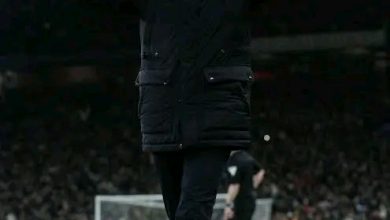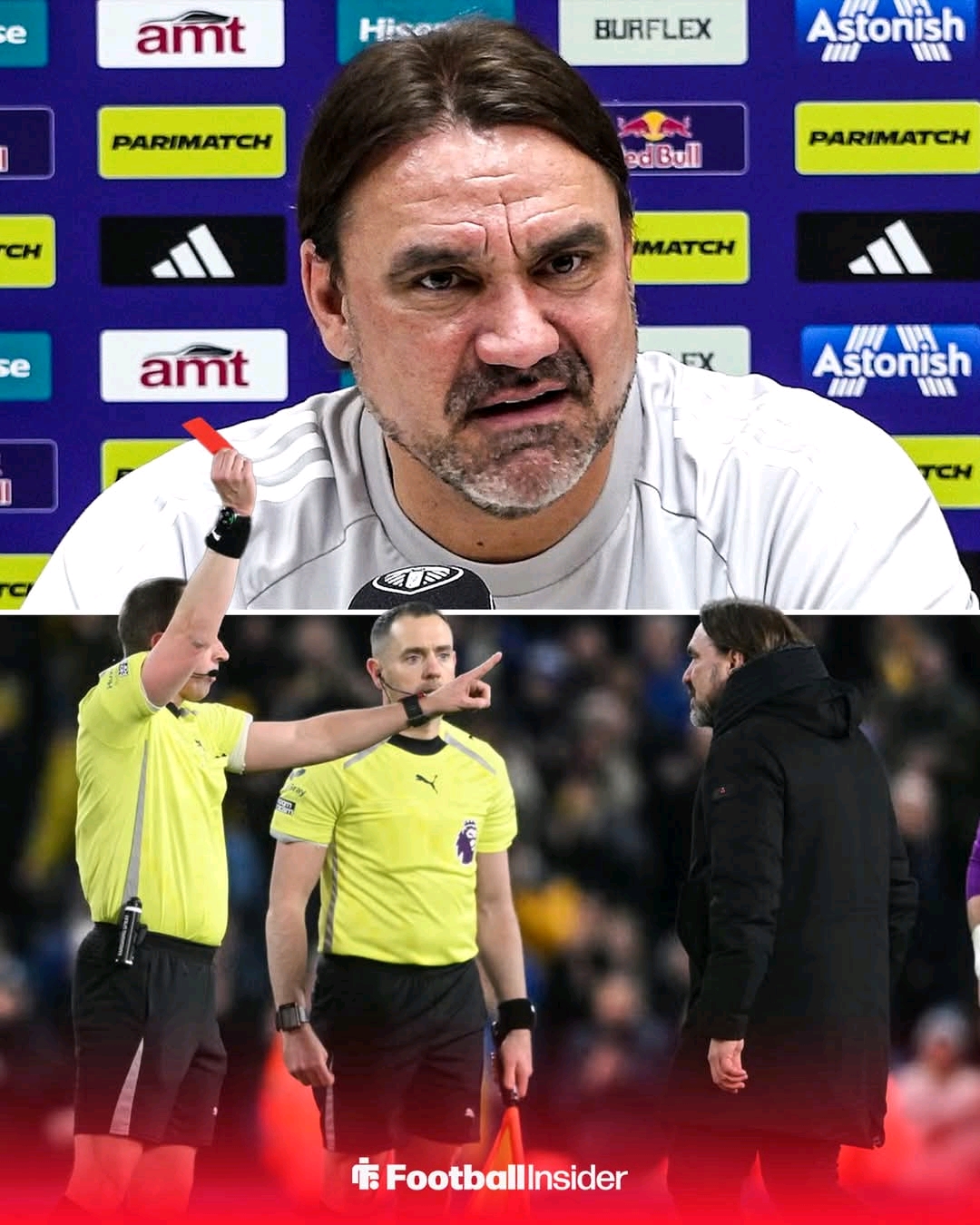
The match between Leeds United and Manchester City ended with a moment that quickly became one of the most talked about incidents of the week in English football and the focus was not only on the result of the match but on the situation involving Leeds manager Daniel Farke who received a red card after the final whistle and later explained exactly what happened from his point of view and why he felt the situation should never have reached that level because according to him he simply jogged onto the pitch to ask a question and before he could even finish speaking the referee had already produced a red card and the moment shocked him and left him feeling embarrassed and angry
The game itself was already intense because matches against Manchester City are never easy for any team in the Premier League and Leeds knew they had to fight for every ball and every second if they wanted to get something from the match Manchester City under the leadership of Pep Guardiola are known for controlling games with their possession and tactical discipline and Leeds had to work extremely hard to compete and the atmosphere inside the stadium was loud and emotional from the beginning because the supporters believed their team could challenge one of the strongest teams in the league
Throughout the match the tension grew because every decision from the referee was watched closely by both benches and the crowd and when the game reached the final moments everyone was waiting to see how much added time would be given because stoppage time can often change the story of a match and when the fourth official raised the board to show six minutes of added time that moment immediately became important for both teams because six minutes can feel like a long time or a short time depending on what happens during those minutes
For Leeds every second mattered because they were trying to find a way back into the match while Manchester City were trying to control the situation and protect their advantage and as the clock moved through those six minutes emotions were rising on the sidelines because managers are always watching every detail during those final moments substitutions delays fouls or injuries can all affect how much time should actually be played
When the referee finally blew the final whistle the match was over but for Daniel Farke the story was not finished because he believed something about the added time situation was not correct and he wanted clarification and so according to his own explanation he jogged onto the pitch toward the referee with the intention of asking a simple question about the decision and he insists that there was nothing aggressive about the way he approached the official
Farke later described the moment very clearly saying he was not happy with the six minutes of added time that had been given and he wanted to ask why there were no additional seconds added after a yellow card incident that happened during that period because in many matches referees will add a little extra time when stoppages occur during stoppage time and that was the reason he moved toward the referee after the whistle
He explained that he jogged over calmly and did not shout or insult the referee he said there were no bad words no swearing and no abusive language and he also said he did not wave his arms or make dramatic gestures that could be seen as aggressive behaviour he simply wanted to ask a question and he began speaking to the referee asking why a yellow card had been shown if no extra seconds were going to be added afterward
But according to Farke he never even had the chance to complete the question because as soon as he arrived the referee already had a red card in his hand and before the Leeds manager could even finish the sentence the red card was shown and that moment stunned him because he felt there had been no conversation no warning and no explanation from the referee
He said the referee did not speak to him did not look at him and did not allow any discussion and instead simply showed the red card immediately and for Farke that action felt extremely harsh and humiliating because from his perspective he had only approached the official to ask a football question about added time and suddenly he was being sent off
The Leeds manager explained that the way the situation happened made him feel embarrassed because the red card was shown in front of everyone players staff supporters and television cameras and he felt it created the impression that he had done something far worse than simply jogging onto the pitch to ask a question
He said that when the referee showed the red card in that manner it felt like a message was being sent to the world as if to say this person is not even worth speaking to or looking at and that feeling of disrespect is what made him angry after the red card was already shown
Farke made it clear that his anger came after the red card not before because before that moment he believed he had behaved calmly and respectfully and he repeated several times that he had not abused the referee in any way and that there were no insults or aggressive words spoken
The situation quickly became a major talking point because red cards for managers after the final whistle always create debate and many people began discussing whether the punishment was too harsh or whether the referee was simply enforcing the rules strictly as officials are encouraged to do in modern football
In recent years referees have been instructed to take stronger action when they feel managers or players show dissent or disrespect and that has led to more yellow and red cards being given on the touchline but situations like this one often create disagreement because the interpretation of behaviour can be very different depending on the perspective of the referee and the manager involved
For Farke the most surprising part of the incident was the speed of the decision because he felt the referee did not give him any chance to explain himself or even complete his question and that is why he spoke openly about the moment after the match because he wanted people to understand exactly how the situation unfolded from his point of view
During his explanation he also used humour to describe the strange nature of the incident saying that perhaps the safest solution for the future is simply never to jog onto the pitch again because if jogging can lead to a red card then it may be better to avoid it completely
He joked that although he did not believe anyone should be shown a red card just for jogging he had learned a lesson from the situation and he would make sure it never happened again because clearly the action had been interpreted in a negative way by the referee
Then he added a comment that quickly became famous among football fans because it showed his sense of humour even in a frustrating moment when he said he had to admit something about himself which is that he is not a butterfly and he probably does not look cute and sweet when he jogs
The comment made many people smile because it turned a tense situation into something lighter and it also showed the personality of the Leeds manager who often speaks honestly and openly about football situations even when they are difficult
But behind the humour there was still a serious message because Farke clearly believed the referee’s decision had been unfair and that the situation could have been handled in a calmer way with a simple conversation rather than an immediate red card
Incidents like this highlight the complicated relationship between managers and referees in modern football because both sides are under enormous pressure managers are responsible for results and their jobs often depend on what happens in matches while referees must make quick decisions and maintain authority on the pitch while millions of people watch and judge every action
When those pressures meet in emotional moments especially at the end of intense matches misunderstandings can happen and sometimes they lead to dramatic scenes like the one that happened after the Leeds and Manchester City game
For Leeds supporters the moment added another layer of frustration to a difficult result because fans always feel protective of their manager and when they believe he has been treated unfairly they react strongly and many discussions began online about whether the red card was justified or whether the referee had overreacted
For neutral fans the story was simply another example of the unpredictable drama that football can produce where even the smallest interaction can suddenly become a major headline
And for Daniel Farke the experience left him with a clear decision about the future because as he joked after the match he will never jog onto the pitch again even though he never believed jogging should be considered a red card offence
The image of a manager jogging calmly toward a referee only to see a red card immediately raised before any conversation could happen became one of those strange football moments that people remember for a long time because it combines confusion tension and humour all in the same story
In the end the match between Leeds United and Manchester City finished with three points for the champions but the final memory of the night for many people was not a goal or a tackle but the sight of Daniel Farke being shown a red card after the whistle and later explaining with a mixture of frustration honesty and humour that he had only wanted to ask a question about added time and somehow that simple action turned into one of the most discussed moments of the week in English football and a moment that he says has taught him one important lesson which is that even something as harmless as jogging onto the pitch can lead to unexpected consequences in the emotional world of the Premier League and that is why from now on he says he will stay away from jogging on the pitch because even though he knows he did nothing abusive and used no bad language the experience showed him how quickly situations can escalate and how a simple attempt to speak with a referee can suddenly end with a red card in the air and a story that spreads across the football world within minutes.