🚨 “They’ve just DENIED Man City the title!” 😱💥 Joe Hart goes OFF as VAR scandal ERUPTS 🔥⚖️ Manchester City left FURIOUS after shocking decisions 😡🚨 Fans DEMAND answers as controversy takes over the league

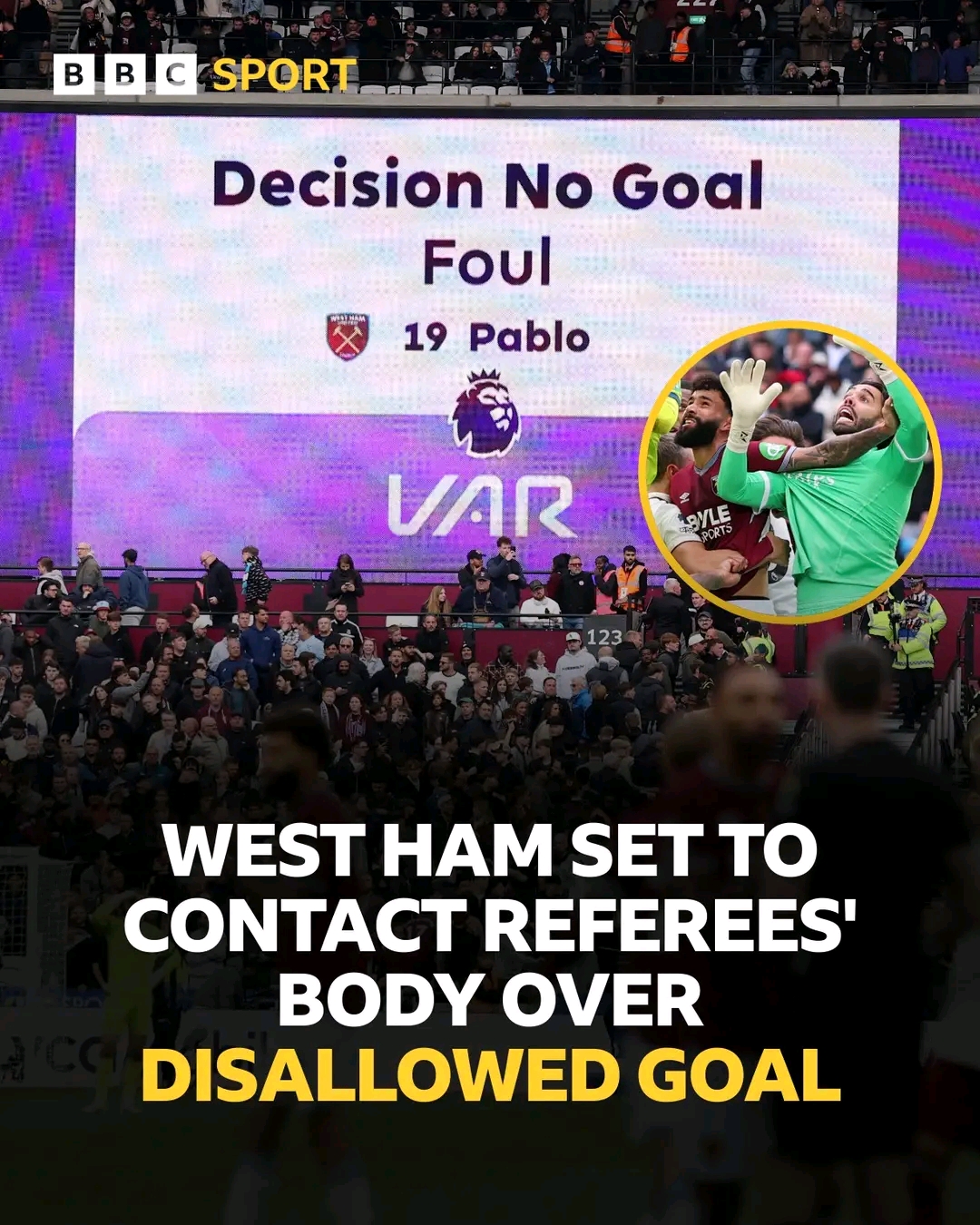
The fallout from a tense and controversial Premier League afternoon is far from over, as West Ham United are now preparing to formally challenge the decision that denied them a dramatic late equaliser against Arsenal. What should have been a moment of celebration, relief, and possibly a crucial point in their season has instead turned into anger, frustration, and a growing demand for answers.
The club are expected to contact the referees’ governing body, the PGMOL, to request a detailed explanation of why the goal was ruled out in the final moments of the match. According to reports, West Ham are not only questioning the decision itself but also the process behind it, the communication between officials, and the interpretation of the incident that led to the VAR intervention.
At the heart of this situation is a moment that lasted only seconds on the pitch but has now stretched into a much larger debate off it. West Ham believed they had scored a late equaliser, a goal that would have changed the mood of the match completely and potentially altered the direction of their season. But after a VAR review involving referee Chris Kavanagh and VAR official Darren England, the goal was disallowed due to a foul on Arsenal goalkeeper David Raya in the build-up.
The decision was not a simple one. It came after a long review, multiple angles, and careful interpretation of contact inside the penalty area. But for West Ham, the outcome felt final, painful, and difficult to accept.
Inside the stadium, the reaction was immediate. Players in claret and blue celebrated the goal, believing they had earned a vital equaliser. Fans erupted, the bench reacted, and for a brief moment, hope returned. But that hope was quickly replaced by confusion when the referee signaled that VAR was checking the incident.
Then came the silence.
That silence is now familiar in modern football. It is the pause between celebration and judgment, between emotion and technology, between what is seen in real time and what is studied frame by frame in a control room miles away.
After several minutes of review, the decision was made. The goal was disallowed. The explanation given was that there had been a foul on the goalkeeper, with contact deemed sufficient to prevent him from playing the ball properly.
For Arsenal, it was a moment of relief. For West Ham, it was devastation.
But the story did not end at full-time.
Almost immediately after the final whistle, discussions began behind the scenes at West Ham. Club officials, frustrated by the decision and its timing, began to review the incident themselves. According to reports, they believe there are still unanswered questions about how the decision was reached and whether the interpretation of the contact was consistent with similar incidents earlier in the season.
As a result, West Ham are now preparing to formally contact the PGMOL to request a full explanation. This is not just a routine inquiry. It is expected to be a detailed request for clarity on the decision-making process, including how VAR interpreted the challenge, what communication took place between officials, and why the goal was ultimately overturned.
Even more significantly, West Ham are also expected to request access to the audio recordings between referee Chris Kavanagh and VAR official Darren England during the review process. These conversations are not usually made public, but in high-profile and controversial situations, clubs sometimes seek greater transparency to understand exactly how a decision was reached.
This request alone highlights the level of frustration within the club.
For West Ham, this is not just about one goal. It is about consistency, fairness, and trust in the system. They feel that similar physical battles in the penalty area have been allowed to stand in other matches, and they are struggling to understand why this particular incident was judged differently.
In modern football, especially in the Premier League, margins are extremely fine. A single decision can influence league positions, European qualification, or even relegation battles. That is why clubs are increasingly demanding transparency from officials, particularly when VAR is involved.
From West Ham’s perspective, the timing of the decision made it even more painful. A late equaliser in a tight match against a top side like Arsenal would have been more than just a goal. It could have been a turning point in their season, a boost in confidence, and a crucial point in their fight to secure their position in the league.
Instead, they are left with disappointment and questions.
The incident itself involved contact inside the box during a corner situation. In the build-up to the disallowed goal, there was physical interaction involving Arsenal’s goalkeeper David Raya. The officials determined that West Ham’s player had interfered with the goalkeeper’s ability to challenge for the ball, which in their interpretation constituted a foul.
But as with many VAR decisions, interpretation plays a huge role.
Some observers believe the contact was minimal and part of normal aerial competition inside the box. Others argue that any restriction of the goalkeeper’s arms is enough to justify intervention. This difference in interpretation is exactly what fuels ongoing debates about consistency in refereeing.
Former officials and pundits have already weighed in, with opinions divided. Some support the decision, pointing to the laws protecting goalkeepers during set pieces. Others feel the decision was harsh and inconsistent with how similar incidents are often handled in other matches.
This inconsistency is exactly what West Ham are now questioning.
By requesting the audio between Chris Kavanagh and Darren England, the club are seeking to understand not just the outcome but the reasoning behind it. What did the VAR see that convinced him to recommend a review? How was the communication framed? Was there immediate agreement or hesitation? These are the types of questions West Ham want answered.
Transparency in refereeing has become one of the biggest talking points in modern football. While VAR was introduced to reduce errors and increase fairness, it has also introduced new layers of debate, especially when decisions are subjective rather than clear-cut.
For fans, the frustration is often not just the decision itself, but the lack of clarity surrounding it. In this case, West Ham supporters feel they were denied a crucial moment without a full understanding of why.
Inside the club, there is also concern about the broader impact. With the season entering its final stages, every point is critical. West Ham are involved in a tight battle where even a single draw or loss can significantly change their final position in the table.
That is why this decision has taken on such importance.
On the other side, Arsenal will see the situation differently. For them, the decision stands as correct application of the rules. It protected their lead, preserved their result, and brought them closer to their own ambitions in the title race.
The tension between both perspectives is what makes football so compelling, but also so controversial.
As West Ham prepare their formal communication with PGMOL, the focus now shifts away from the pitch and into the offices where decisions are reviewed, explained, and sometimes defended.
What happens next could set an important precedent. If audio is released or further clarification is provided, it may help ease tensions. If not, it may only deepen existing frustrations and fuel ongoing debates about VAR, consistency, and transparency in English football.
For now, the only certainty is that the conversation is not over.
A goal was scored.
A goal was disallowed.
And now a club wants answers.
In a season defined by fine margins and intense pressure, this moment has become another reminder that in modern football, what happens after the whistle can sometimes be just as important as what happens on the pitch.