Manchester City are reportedly furious after news emerged that the Premier League is considering using a match ball featuring LGBTQ symbols, triggering a growing storm of controversy

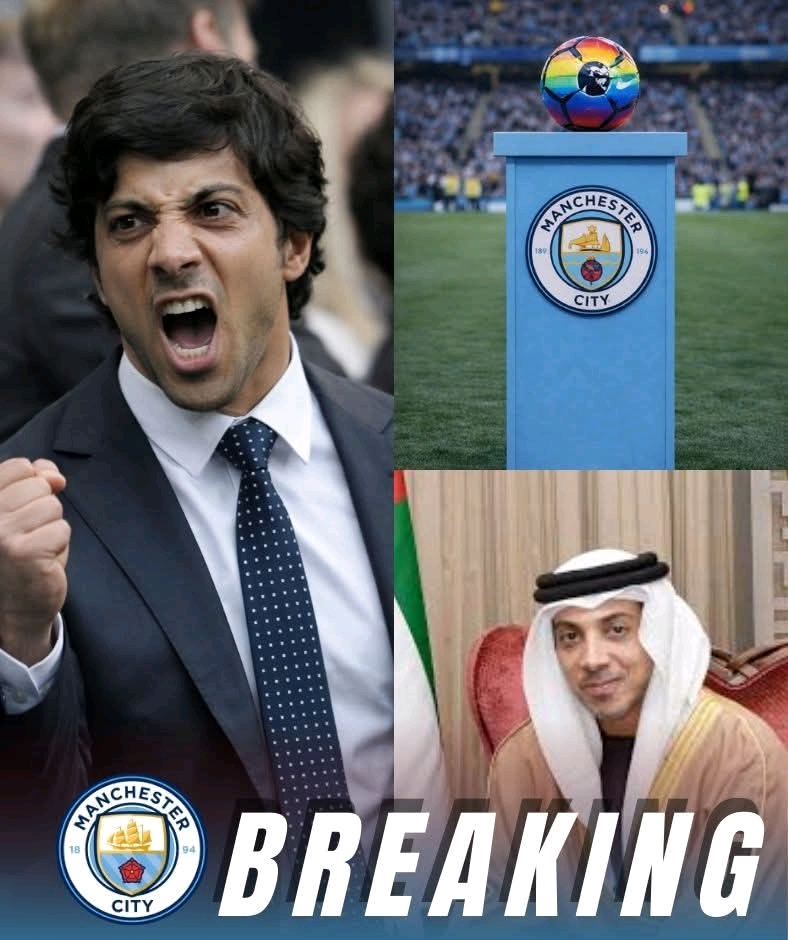
The word spread fast and it hit like a thunderbolt across English football. Early whispers turned into loud anger, and by the time the news fully surfaced, the reaction was already fierce. “Unacceptable.” That single word began to echo everywhere. Inside Manchester City. Among club staff. Around fan groups. Across social media. And slowly, across the entire Premier League. What started as a plan quietly discussed behind closed doors had now exploded into one of the most emotional and divisive controversies English football has faced in recent years.
Manchester City, one of the biggest clubs in the world, were reportedly furious after learning that the Premier League is considering the use of a special match ball featuring LGBTQ symbols. To league officials, it was meant to be a message of inclusion, a symbol of unity, and a continuation of campaigns the league has supported for years. But to City, and to many others across the football landscape, it crossed a line they believe should never be crossed in the game.
This was no longer just about a football. It was about values, identity, tradition, politics, belief, image, and power. And once those things collide in football, there is never a quiet ending.
Sources close to Manchester City say the club hierarchy were stunned when details of the plan emerged. Some inside the Etihad reportedly felt blindsided. Others felt angry. A few felt deeply uncomfortable. The reaction was not slow, and it was not soft. The feeling inside the club was described as “intense frustration” and “deep concern” about the direction the league was heading.
For Manchester City, football is football. A match ball is sacred. It represents competition, fairness, and the purity of the sport. The idea of turning it into a platform for social messaging, no matter how well-intended, was viewed by some senior figures as a step too far. They believe football should unite people through play, not push symbols that could divide fans, players, and communities.
And divide it did.
As news of the proposed LGBTQ-symbol ball leaked out, reactions poured in from all directions. Supporters praised the league for showing courage. Others accused it of politicising the sport. Some fans said football should be a safe space for everyone. Others said football should stay neutral and focus only on the game. The comment sections became battlefields. Arguments grew louder. Emotions boiled over.
Manchester City’s anger was not just about symbolism. It was also about process. There was a feeling that clubs had not been properly consulted, or that their concerns had not been taken seriously. For a league that prides itself on partnership with its clubs, that hurt. City are not a small voice. When they speak, people listen. And this time, their message was sharp and clear.
They portedly warned that such a move could split the league into two camps. Clubs that support the initiative. Clubs that oppose it. Players who feel comfortable. Players who feel pressured. Fans who celebrate. Fans who feel alienated. Once that split happens, healing it becomes almost impossible.
Inside the dressing rooms, the tension was already being felt. Players from different cultural, religious, and personal backgrounds all share the same space. Some may fully support LGBTQ campaigns. Others may struggle with it privately. Some may fear speaking up. Others may feel forced into silence. When football steps into sensitive social territory, the human side of the game becomes exposed.
City’s concern, according to reports, was that players could be placed in impossible situations. Wear the symbol and risk personal conflict. Speak out and risk public backlash. Stay silent and risk being labelled. The club believes it is unfair to put players under that kind of pressure through a match ball that cannot be avoided once the game begins.
For decades, the Premier League has sold itself as football for everyone. A global product watched in every corner of the world. That global reach is part of the problem now. What plays well in one country may cause outrage in another. What is celebrated in one culture may offend in another. Manchester City, owned by a global ownership group and supported by fans worldwide, are deeply aware of that reality.
Sources say City officials raised concerns about how the ball would be received in countries where LGBTQ issues are sensitive or even illegal. They worry about player safety, fan reactions abroad, and the wider consequences for the league’s image. Football does not exist in a bubble, and City believe the Premier League is underestimating the global impact of its decision.
The league, however, sees things differently. For years, it has run campaigns promoting inclusion, equality, and acceptance. Rainbow laces. Anti-racism messages. Taking the knee. Pride celebrations. To league officials, the match ball is simply the next step. They argue that football has a responsibility to lead, not hide.
But critics say there is a difference between campaigns around the game and changing the very tools of the game itself. A banner can be ignored. A message on a screen can be avoided. A match ball cannot. Every pass, every tackle, every goal would carry the symbol. That is where many believe the line has been crossed.
Manchester City’s reported reaction reflects a deeper fear. Once this door is opened, where does it stop. Today it is LGBTQ symbols. Tomorrow it could be something else. Political causes. Religious messages. National conflicts. Social movements. If every cause demands space in football, the game risks losing its identity.
Fans are already exhausted. Ticket prices rising. Kick-off times changing. VAR controversies. Financial charges. Fixture congestion. Now another cultural war is entering the stadium. Many supporters just want to watch football without being pulled into arguments that follow them everywhere else in life.
Yet for others, football has always been political, whether people admit it or not. They argue that the sport has a history of standing against injustice and exclusion. To them, opposing the LGBTQ-symbol ball feels like rejecting inclusion itself. That accusation has added fuel to the fire.
Manchester City have not publicly released an official statement using the word “unacceptable,” but the sentiment has been widely reported from inside the club. They are said to be pushing for urgent talks with league officials, demanding clarity, consultation, and possibly a rethink.
Behind the scenes, other clubs are watching closely. Some quietly agree with City but do not want to be the first to speak. Others support the league but fear fan backlash. A few are completely torn, knowing that whatever side they choose will anger someone
This is how leagues fracture. Not over points or trophies, but over principles.
Players, too, are caught in the middle. Some feel proud that football is standing with LGBTQ communities. Others feel uncomfortable but scared to say so publicly. In today’s world, one wrong sentence can end a career. One misunderstood comment can spark outrage. Silence becomes the safest option, but silence also creates tension.
The Premier League insists its intentions are positive. Officials argue that visibility matters. That representation saves lives. That football’s power should be used to support those who feel excluded. They believe opposition comes from fear, not reason.
But Manchester City’s position is more complex than simple opposition. They are not rejecting inclusion. They are questioning method, timing, and impact. They want football to bring people together, not force them into camps.
As the controversy grows, pressure is building on the league to make a decision. Push ahead and risk a backlash. Pause and risk accusations of weakness. Cancel and face criticism from activists. Proceed and face resistance from clubs.
Social media has already turned toxic. Hashtags trend. Accusations fly. Some City fans feel their club is being misrepresented. Some rival fans mock them. Others defend their stance. The noise is deafening.
What makes this moment dangerous is not the symbol itself, but what it represents in a fractured football world. Trust between clubs and league. Respect between fans. Safety for players. The soul of the game.
If the Premier League forces the issue, Manchester City may not be alone in their anger. If the league backs down, it may face a different storm. There is no easy outcome.
Football has always been a mirror of society. Right now, society is divided, emotional, and angry. The match ball has simply become the latest reflection of that reality.
Inside Manchester City, the feeling is that football is being pulled into battles it cannot win. That once unity is broken, it is hard to restore. That the game risks becoming a stage for endless culture wars instead of a place of escape.
Whether the league listens remains to be seen. Talks are expected. Compromises may be discussed. Alternatives could be explored. But one thing is certain. This story is not going away.
The word “unacceptable” has already been spoken. And once that word enters football, it rarely leaves quietly.
For now, the Premier League stands at a crossroads. Manchester City stand firm. Fans wait. Players worry. And the game, once again, finds itself caught between ideals and reality, tradition and change, unity and division.