To be honest, I don’t feel comfortable watching Manchester City play anymore . A lot of pressure on me

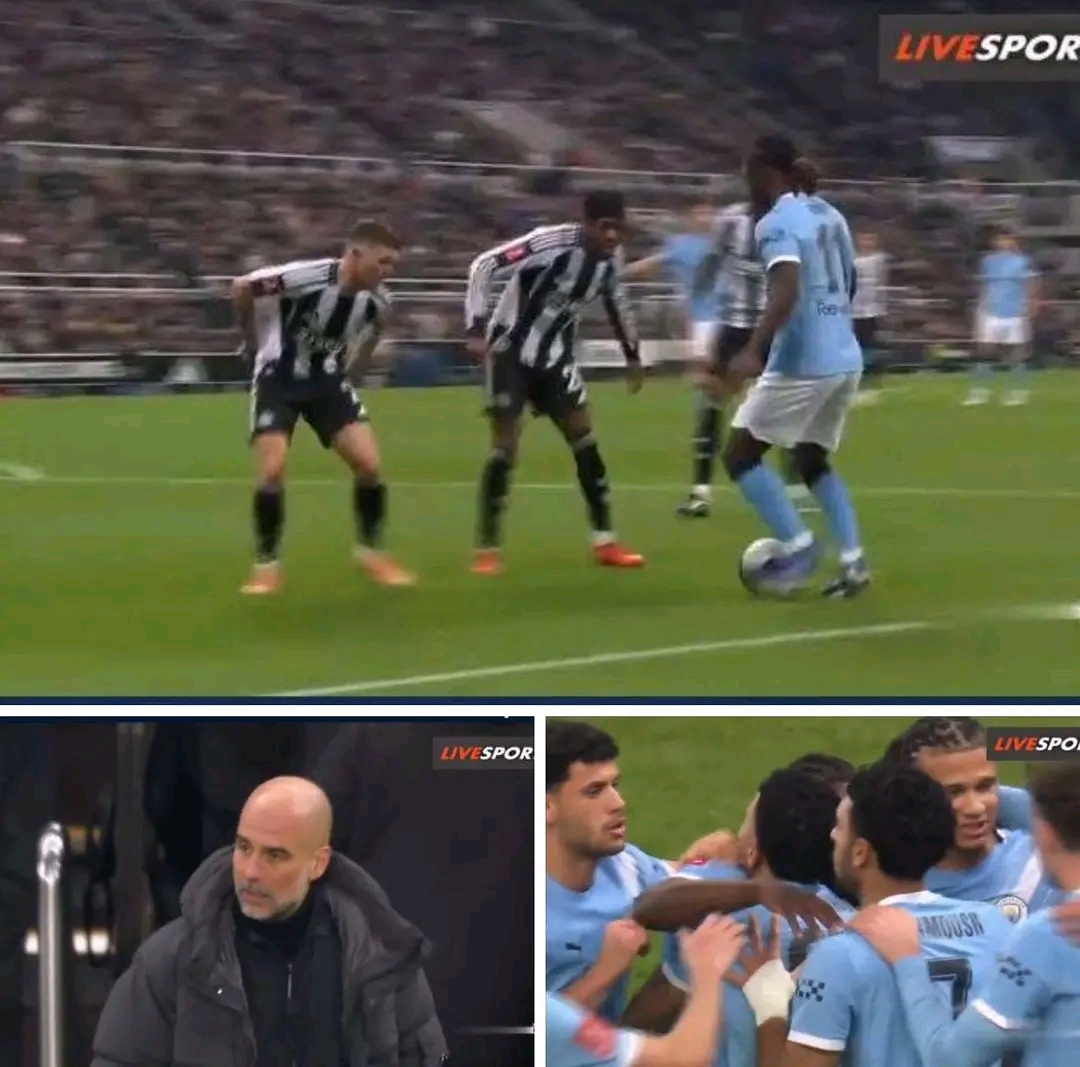
To be honest, I don’t feel comfortable watching Manchester City play anymore. It’s something I never imagined I would feel because for so many years, watching City was exciting. I remember the first time I watched them play; the energy, the excitement, the sense that anything could happen on the pitch—it was addictive. The way Pep Guardiola’s teams move, the way they pass, the way every player seems connected, it all felt magical. I used to watch with my friends, shouting at the screen, celebrating every goal, arguing over every decision. It was a joy. But now, things feel different. The joy is gone. The excitement has turned into a knot in my chest, a heavy, restless feeling that I cannot shake.
It’s not just one thing. It’s a combination of everything. The results, the expectations, the constant tension, the feeling that every game is life or death. It’s exhausting to watch a team that has so much talent but is under pressure to perform perfectly every single week. There is no room for mistakes, no forgiveness for off days. Every error is magnified. Every decision by the referees is questioned. Every touch, every pass, every shot carries weight beyond what it should. It used to be just a game, a release, a way to enjoy football. Now, it feels like watching a war unfold slowly, where every move matters and the stakes are crushing.
I feel the pressure more than I ever expected. Not just the pressure of the results on the pitch, but the pressure of what it means to support this team. Manchester City is not just a football club; it’s a statement, a symbol, a machine of expectations. Everyone expects them to win, to dominate, to never falter. And when I watch, I feel that pressure too. It’s as if I am carrying it with the players. Every missed chance feels like my fault. Every sloppy pass makes my heart sink. I know it doesn’t make sense logically, that I am not the one playing, that I am not on the pitch, but the connection is too strong. The emotional investment has grown into something overwhelming.
I try to explain this to my friends, to other fans, but it’s hard to put into words. They still enjoy it, still cheer, still live for the highs of City playing their beautiful football. And they think I should too. They don’t understand why I tense up every time the whistle blows, why my stomach twists when the opposition makes a run, why I sometimes have to step away from the screen before a corner kick, before a penalty, before a crucial free-kick. They think it’s ridiculous to feel stressed over a football match, but it’s not just a match anymore. It never is with City. It’s layers upon layers of pressure. It’s hope. It’s fear. It’s expectations. It’s pride. And sometimes, it’s just too much.
The thing is, the pressure doesn’t only exist when I watch live games. It lingers after the match ends, when I scroll through social media, when I see fan reactions, pundit opinions, and endless debates about every decision, every substitution, every tactical choice. Even when City wins, it’s never simple. There’s always a post-match analysis, always a question about whether the performance was perfect, whether the manager made the right calls, whether the players gave enough. It’s relentless. It’s like a weight I cannot put down. And I find myself obsessing over it, thinking about every detail, rewinding moments in my head, analyzing them over and over. It’s not healthy, but I can’t stop.
I feel uncomfortable because watching City has stopped being pure enjoyment. It’s no longer just a hobby or a passion. It’s a test of endurance, of patience, of mental resilience. It’s a reminder of the fragility of success and the sharpness of failure. Every game has become a psychological battle. I feel tense before the match, anxious during, and drained afterward. I used to look forward to matchdays, counting down the hours, preparing snacks, inviting friends over, immersing myself in the atmosphere. Now, matchdays are a source of stress. I dread the unpredictability, the intensity, the constant need to stay alert. It’s as if my own emotions are tied directly to the outcome, and my mood depends on a 90-minute game. That is too much.
The pressure is also personal. I feel responsible in a strange way. Not that I should, but that’s how it feels. When City loses, I internalize it. I replay the mistakes in my mind, wondering what I would have done differently if I were on the pitch. I know it’s irrational. I know that it’s the players, the manager, the officials, and the circumstances that determine the outcome. But my heart doesn’t see it that way. My mind can rationalize, but my emotions are trapped in the game, running alongside the players, taking every hit, every setback personally.
Sometimes I think about stepping away entirely. I wonder if I should stop watching, stop following, stop immersing myself in the highs and lows. It feels extreme, but I ask myself if my mental health is worth it. The passion I have for Manchester City is immense, but so is the pressure. It has become a double-edged sword. I love the club, I love the football, I love the artistry of the game, but the anxiety, the restlessness, the overwhelming sense of responsibility makes it hard to keep watching without feeling drained, without feeling the weight of expectation pressing down on me.
The reality is, this discomfort isn’t just about one bad season or one poor result. It’s the accumulation of years of investment, of hope, of loyalty. Supporting Manchester City isn’t casual; it never has been. The highs are dizzying, the lows are crushing, and the in-between moments are fraught with tension. Every goal brings euphoria, every near miss brings despair. Every referee decision sparks a flurry of doubt and anxiety. It’s a constant emotional rollercoaster that has taken its toll. And now, I find myself wondering if I can continue riding it without losing a sense of calm and balance in my life.
I’ve noticed the change in myself. I don’t sit comfortably while watching the matches anymore. My body tenses, my heart races, my mind anticipates disaster before it even happens. Simple moments that used to bring joy now trigger anxiety. The collective energy of the stadium, the chanting of fans, the roar after a goal, even the commentary—it all feels like it’s testing my nerves. I used to thrive on the adrenaline, the emotional highs, but now it feels like a storm I cannot control. It’s not that I don’t love football anymore; it’s that the emotional cost has become too high.
Part of the pressure comes from the sheer expectation around the club. Manchester City is not just any team; they are one of the best in the world. Every match is scrutinized, every player is analyzed, every tactical move is dissected in excruciating detail. The spotlight is always on City, and as a fan, that light shines on me too. I feel compelled to be invested, to understand every decision, to anticipate outcomes, to participate in the conversation online and offline. It is exhausting, and it leaves little room for simply enjoying the game.
I also feel a personal tension with myself. I question why I feel so affected, why the pressure weighs so heavily. I try to remind myself that it’s just football, that it’s supposed to be entertainment, a shared passion, a form of joy. But logic doesn’t erase emotion. The intensity of my feelings, the depth of my connection to the club, makes rational reassurance almost impossible. I cannot simply switch off the anxiety, cannot remove the tension. It is a part of supporting Manchester City, a part of what it means to care, to invest emotionally in a team that has become a central part of my life.
I think about the players on the pitch and the immense pressure they face. Every decision, every touch, every pass carries the weight of expectation, the weight of history, the weight of fans around the world watching, analyzing, and reacting. I empathize with them, but that empathy adds to my own pressure. I feel their tension, their responsibility, their need to perform, as if it were my own. And that, in turn, magnifies the anxiety I feel while watching, making it impossible to experience the match with the lightness and joy I once did.
There is also a social aspect to this pressure. Being a City fan means engaging in discussions, debates, and arguments with friends, family, and online communities. Every post, every opinion, every reaction is a reflection of loyalty, knowledge, and insight. I feel compelled to participate, to have a viewpoint, to justify my support. And when the team underperforms, those discussions turn critical, judgmental, or mocking, adding another layer of stress. The pressure extends beyond the pitch and into every interaction that involves the club, and it can feel relentless.
I wonder if stepping back would make a difference. Perhaps distance is necessary to regain perspective, to separate the love of football from the overwhelming emotional burden. But even imagining that feels difficult. The thought of missing matches, of not being part of the collective experience, of not celebrating victories or lamenting defeats with other fans, feels like a loss in itself. It is a dilemma, a conflict between emotional well-being and passion for the game.
Ultimately, the discomfort I feel is a reflection of how deeply I care. It is not indifference, not boredom, not apathy—it is the weight of emotional investment. To watch Manchester City play is to enter a world where stakes are immense, where pressure is constant, and where joy and despair are intertwined in a way that is both exhilarating and exhausting. It is a paradox: the same love that brings excitement also brings anxiety, and the passion that fuels loyalty also creates tension.
I don’t know if I will find a way to balance these feelings. I don’t know if I will be able to watch matches without the knot in my stomach, without the racing heart, without the sense that the outcome rests partly on me. Perhaps over time, perhaps with perspective, I will rediscover the joy that once made City matches unmissable. Perhaps I will find a way to embrace the highs without succumbing to the lows. But for now, honesty demands that I admit it: I do not feel comfortable watching Manchester City play anymore. The pressure is too heavy, the emotional investment too intense, and the weight of expectation too overwhelming.
And so, I sit in quiet reflection before the next match, aware of the love I still hold for the club, aware of the pride I feel in their achievements, aware of the memories and excitement that football has brought me, yet also painfully aware of the tension, the pressure, the anxiety that now accompanies every whistle, every tackle, every goal. It is a complicated, conflicted, and deeply human experience—the love of a team intertwined with the stress of its expectations—and it is something I must navigate carefully if I am to continue supporting Manchester City in a way that preserves my well-being.
In truth, this discomfort, this heavy feeling, this sense of being unable to watch with ease, is a reflection of devotion. It is a reminder that football is not merely a game, but a mirror of our passions, fears, and emotional endurance. It is a lesson in limits, in self-awareness, in recognizing when admiration and loyalty have turned into a source of personal strain. And as I face each upcoming match, I carry this awareness with me, knowing that my love for Manchester City exists alongside a very real pressure that cannot be ignored