Braga & 6 new signings arrive: The dream XI Rangers could build under McInnes

Football in Glasgow has once again changed direction very quickly, and the situation at Rangers feels like it has shifted overnight. A week ago, everything looked stable. The manager situation seemed settled, the summer transfer plan looked structured, and fans were already imagining what the next season could look like.
But football rarely stays calm for long.
Danny Rohl, who had been leading the club, suddenly moved towards a new opportunity. He is now set to join RB Salzburg, leaving Rangers in a position where they had to react quickly and rethink their entire direction.
That reaction came fast.
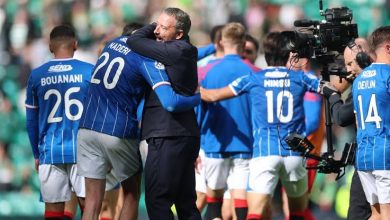
The club turned to Derek McInnes, who had just completed an impressive spell at Heart of Midlothian. He agreed to a three-year deal to take charge at Ibrox, bringing experience, structure, and a very different football identity compared to what was expected under the German coach.
This sudden change does not just affect the dugout. It affects everything: transfers, formations, player targets, and even the identity of the team Rangers will try to build this summer.
Under Rohl, Rangers were preparing for a modern, flexible system with high pressing, fluid attacking rotations, and technically strong young players from Europe. But McInnes is different. He is more direct in his approach, more structured, and often prefers disciplined 4-4-2 systems or variations that focus on organisation, defensive stability, and quick transitions.
That change alone reshapes the entire transfer market strategy.
So now, instead of the “Rohl project,” fans and analysts are imagining what a “McInnes Rangers” team could look like. And surprisingly, it creates a very different but still exciting dream XI, combining Scottish talent, returning players, and a few carefully chosen international additions.
The goalkeeper position is one of the first areas where change could happen.
Jack Butland’s future at Rangers is not fully settled, with his contract situation entering its final year. That alone forces the club to think about alternatives. One name that has been mentioned is Angus Gunn, who was recently released by Nottingham Forest.
Gunn is an experienced goalkeeper with international pedigree, and he has also shown strong performances for Scotland, including a clean sheet against Haiti at the World Cup. For McInnes, who values reliability and experience, Gunn fits the profile of a goalkeeper who can be trusted in a new system.
If he joins, he would not only bring shot-stopping ability but also calmness, communication, and leadership from the back. McInnes teams often rely on a strong goalkeeper who can organise the defence, especially in tight Scottish Premiership matches where small details decide results.
In front of him, the defence could undergo a serious reshaping.
One of the most talked-about potential moves is the return of Nathan Patterson, who previously played for Rangers before moving away. There is growing belief that a loan move could bring him back to Ibrox.
Patterson would instantly strengthen the right side of defence. He knows the club, understands the pressure, and still has huge potential to develop further. Under McInnes, he could be used not just as a traditional full-back but also as a more disciplined wide defender who balances attacking runs with defensive responsibility.
On the left side, Tuur Rommens is expected to hold his place, providing balance and consistency.
But the real focus is in central defence.
Rangers are reportedly exploring a deal for Luke Graham from Dundee, a young Scottish defender with strong potential. The reported fee of around £2 million makes him an affordable but strategic signing. He could be paired with Emmanuel Fernandez, forming a physically strong and developing partnership at the heart of defence.
This pairing reflects McInnes’ style perfectly: strong, direct, and physically dominant defenders who can handle pressure and aerial battles.
If all these moves come together, Rangers could build a defensive structure featuring Gunn in goal, Patterson on the right, Graham and Fernandez in central defence, and Rommens on the left. That would create a mix of youth, experience, and Scottish identity, something McInnes often values highly.
Moving into midfield, the tactical shift becomes even more interesting.
Under Rohl, Rangers were expected to play a more fluid system, often involving a 4-2-2-2 shape with midfielders rotating into attacking positions. But McInnes is more traditional in his midfield setup.
He often prefers a 4-4-2 or a 4-3-1-2, depending on the opponent. That means more structure in the middle of the pitch, with clear roles for defensive and attacking responsibilities.
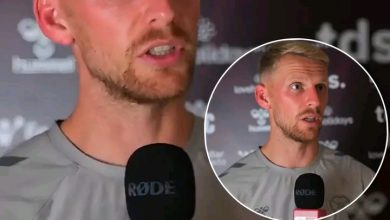
One of the biggest potential signings in this new system is Cammy Devlin, who is expected to become a free agent after leaving Hearts.
Devlin is known for his aggressive, high-energy style. He wins tackles, presses constantly, and never stops running. Statistically, he has been outperforming many midfielders in defensive actions, including higher tackles per game and more duels won compared to Nicolas Raskin.
Raskin, who has been a key player for Rangers, may attract interest from other clubs this summer, meaning Devlin could be a natural replacement.
In McInnes’ system, Devlin would thrive. He is exactly the type of midfielder who fits a hard-working, disciplined midfield duo.
Alongside him could be Tochi Chukwuani, who was signed earlier in the year. Chukwuani brings a different profile: more technical ability, better passing range, and composure on the ball. Together, Devlin and Chukwuani would form a balanced midfield partnership.
One brings aggression and energy, the other brings control and structure.
That balance is important for McInnes, who wants midfielders to protect the defence but also support quick transitions into attack.
Out wide, the system also changes significantly.
With Mikey Moore returning to Tottenham and Andreas Skov Olsen no longer in the picture, Rangers need new wide players.
One key figure is Djeidi Gassama, who is expected to keep his place on the left side of midfield. He offers pace, creativity, and direct attacking threat. In McInnes’ system, he would be expected to stay wide, stretch defences, and deliver crosses rather than constantly drifting inside.
On the right side, a major target is Václav Černý.
Černý is not new to Rangers fans. During his loan spell, he impressed heavily, scoring and assisting consistently across both domestic and European matches. He ended the 2024/25 season with 18 goals and 6 assists combined, showing his ability to decide big games.
Now, there is serious talk of bringing him back permanently from Beşiktaş, who signed him for around £6 million. Rangers would likely need a similar fee to secure him again.
If McInnes can bring Černý back, it would instantly solve one of the biggest attacking problems in the squad: consistency on the right wing.
His creativity, finishing ability, and experience in the Scottish league make him one of the most valuable potential signings of the summer.
Up front is where things become most exciting.
Rangers are expected to build a two-striker system under McInnes. This is very different from modern single-striker systems used in many European clubs, but it is a structure McInnes trusts.
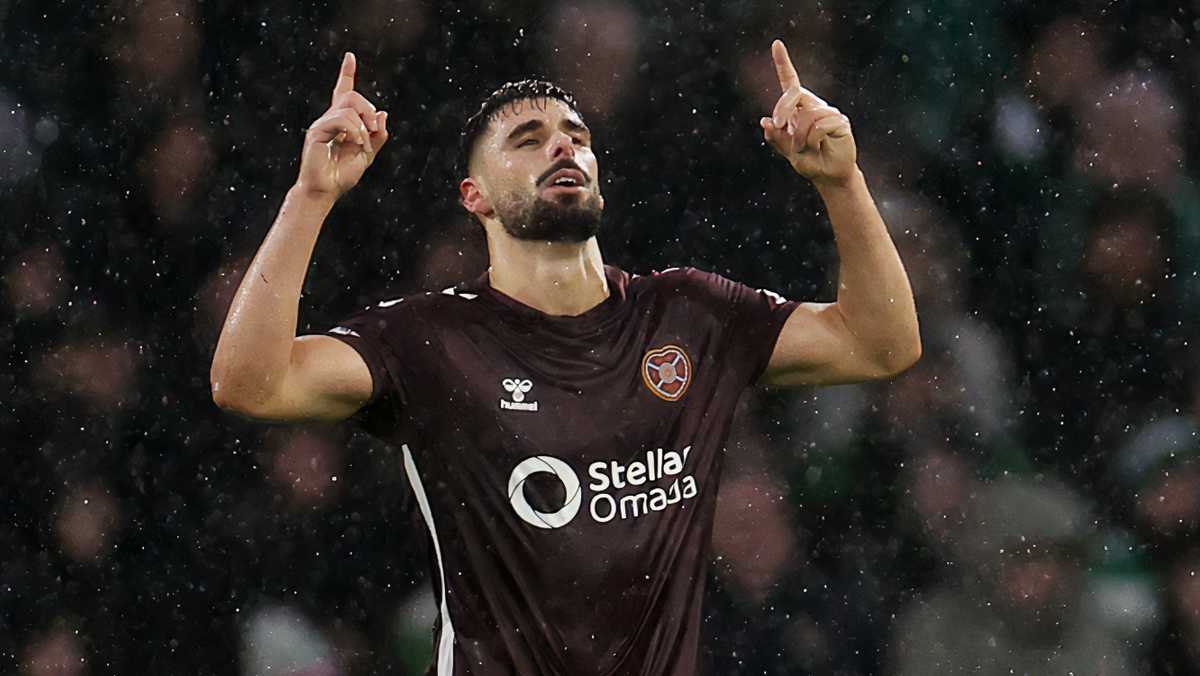
One confirmed addition is Lawrence Shankland, who joined from Hearts after scoring 16 goals in the Premiership under McInnes last season. He is a proven goalscorer in Scotland, intelligent in movement, strong in finishing, and experienced in high-pressure matches.
Shankland will likely take one of the striker roles immediately.
But the second striker spot is where the biggest debate exists.
One option is Claudio Braga, a striker who McInnes reportedly wants to bring with him from Hearts. Braga is valued at around £10 million, making him a major investment. But his partnership with Shankland has already proven successful.
Together, they scored 30 goals in the league, showing natural chemistry, movement understanding, and complementary styles. Shankland is more of a finisher and link-up player, while Braga brings power, movement, and unpredictability.
If Rangers commit to signing Braga, it would represent a serious financial statement of intent.
However, to balance finances, the club may consider selling Youssef Chermiti, who has attracted interest and could be valued at around £25 million. That kind of sale would fund multiple signings and still allow Rangers to strengthen key areas.
If everything comes together, the attacking duo of Shankland and Braga could become one of the most dangerous partnerships in Scottish football.
They understand each other, they score regularly, and under McInnes, they would have a system built around direct service, crosses, and quick attacking transitions.
When all the pieces are combined, the dream Rangers XI under McInnes begins to take shape.
In goal: Angus Gunn brings stability and experience. In defence: Nathan Patterson, Emmanuel Fernandez, Luke Graham, and Tuur Rommens provide a strong mix of youth and structure. In midfield: Cammy Devlin and Tochi Chukwuani offer balance between aggression and control, with wide support from Djeidi Gassama and Václav Černý. And up front: Lawrence Shankland partners Claudio Braga in a powerful attacking duo.
This team would not be built on expensive global stars alone. Instead, it would combine smart recruitment, Scottish talent, returning players, and carefully selected foreign signings.
The estimated cost of the six key additions could be around £18 million in total, with £10 million for Braga, £6 million for Černý, £2 million for Graham, plus loans and free transfers for others like Patterson, Gunn, and Devlin.
It is a different kind of project compared to what Rangers fans expected just weeks ago. Under Rohl, the focus was modern European football with tactical flexibility. Under McInnes, it becomes more structured, more physical, and more focused on winning domestic battles.
But that does not mean it is less ambitious.
In fact, for many supporters, this version of Rangers feels more grounded and more realistic for success in Scotland and Europe. It is built on understanding the league, controlling matches physically, and having players who can handle pressure in difficult stadiums.
Football changes quickly, and Rangers are living proof of that right now. A managerial switch has reshaped their entire summer vision. But from that chaos, a new identity is forming.
A McInnes Rangers team may not look like what was expected a week ago, but it could still become a strong, competitive, and exciting side capable of challenging at the top.
And if all these signings arrive, Ibrox could soon see a very different but very determined team take shape, built for fight, structure, and winning football.