He’s already decided where he’s going. Martin O’Neill can’t stop him. It’s over!

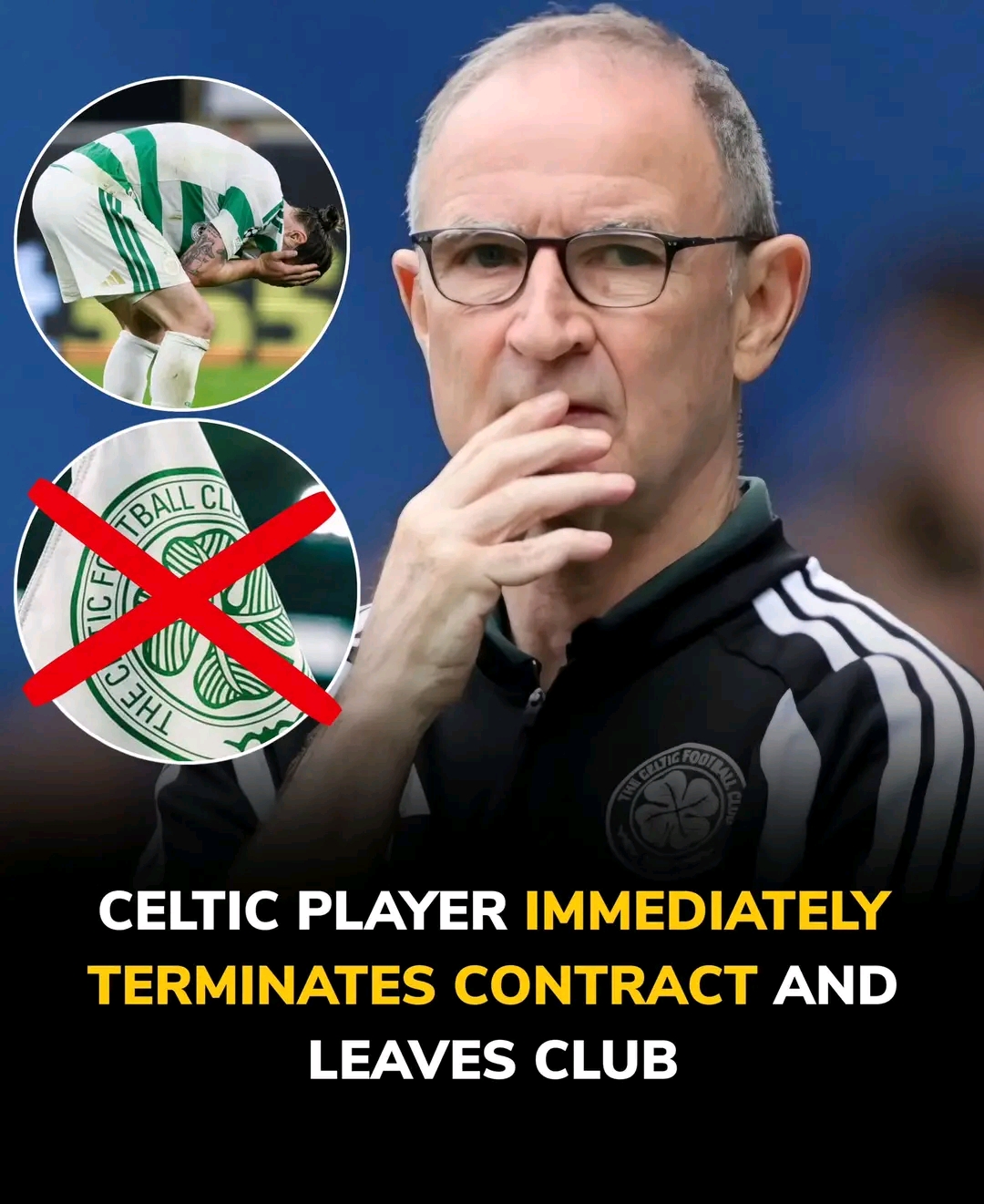
In this imagined scenario, Celtic’s European campaign hit a fresh low as they went down 3-1 at home to Ferencváros in a fictional Europa League fixture, a result that left Parkhead in stunned silence and prompted club captain Callum McGregor to front up to the media in what’s imagined here as one of the more sobering post-match assessments of his long Celtic caree
In this constructed telling, Celtic actually took an early lead through an invented long-range strike, and for a spell looked to be cruising toward a routine European home win. But a fictional defensive mix-up just before half-time let Ferencváros back into the game, and two further goals in the second half — the second of them a fictional stoppage-time sucker punch on the counter-attack — turned a promising night into a genuinely chastening one
By full time, in this imagined account, a smattering of boos could be heard around the ground as players trudged off, with several supporters, according to this fictional framing, seen leaving early during the closing minutes once the third goal went in
Speaking to broadcasters after the match, in this entirely invented exchange, McGregor is imagined cutting a visibly frustrated figure. “There’s no point sugar-coating that,” the fictional quote reads. “We were miles off it in the second half. We gave the ball away cheaply far too many times, and against a team with that kind of quality in transition, you get punished. That’s exactly what happened.
Pressed on the specifics of where things went wrong, in this fictional exchange, McGregor is pictured going further: “We talked about this after the derby, about being a team rather than a collection of individuals, and for large parts tonight it just wasn’t there again. That’s on all of us, myself included. I don’t think you can point to one moment. It was a collective breakdown, and we have to be honest about that in the dressing room.
Asked whether the result represented a step backward after some recent improvement, the fictional McGregor is imagined striking a note of grim consistency: “I’m not going to stand here and make excuses. We’ve had a difficult run, and nights like this are painful, especially in front of our own fans who travel and pay good money to watch us. We owe them more than what we gave tonight.”
Built into this invented scenario is a sense that the defeat didn’t occur in isolation but as part of a broader rocky patch — echoing, in fictional form, the kind of turbulent stretch that can occasionally hit a squad mid-season. In this imagined telling, Celtic had gone three matches without a win heading into the Ferencváros fixture, with performances described by a fictional local pundit as “a team that has lost its identity, without the pressing intensity or the ball-control certainty that defined this group eighteen months ago.”
A fictional Celtic supporters’ group is imagined releasing a short statement after the match, expressing “serious concern” about the team’s European form and calling for “clarity of direction” from the manager, though stopping short of calling for any change in the dugout — a nuance that, in this constructed narrative, was noted approvingly by a fictional radio pundit as evidence that patience, while thinning, hadn’t yet run out entirely among the fanbase.
Delving further into this invented exercise, a fictional post-match analysis piece is imagined breaking down exactly how Ferencváros exploited Celtic’s setup. The visiting side, playing on the counter with genuine pace in wide areas, is pictured repeatedly targeting the space in behind Celtic’s advancing full-backs — a tactical vulnerability that, in this fictional framing, several opposition managers are said to have identified and exploited over recent matches, suggesting a pattern rather than a one-off lapse.
A fictional assistant coach, speaking anonymously to a fictional reporter, is imagined offering a blunter internal admission: “We know teams are setting up to hit us on the transition. We’ve drilled it in training, but knowing something and executing it under match pressure, especially against a side with the individual quality Ferencváros have in behind, are two different things.”
The Celtic manager, in this constructed scenario, is imagined fronting his own press conference shortly after McGregor’s comments, striking a similarly candid tone while also offering a degree of protection for his captain and squad. “Callum said what needed to be said,” the fictional manager’s quote reads. “He’s been excellent as a leader through a difficult period, and I don’t think you can point fingers at any individual. This is a collective issue, and it’s my responsibility to find the solutions, not the players’ to carry alone.”
Asked in this fictional exchange whether his own position might come under scrutiny given the results, the imagined manager is pictured deflecting calmly: “I understand why people ask that question when results aren’t where we want them. My focus is entirely on fixing what’s going wrong on the pitch. That’s where my energy goes, not into worrying about noise around my own job.
Continuing this speculative exercise, a fictional teammate — an invented young Celtic midfielder — is imagined offering his own reflections in a separate, brief interview. “The gaffer and Callum have set the tone all week about accountability,” the fictional quote reads. “It’s not nice hearing boos, but I understand it. We have to earn that trust back through performances, not words.”
A fictional veteran defender, meanwhile, is pictured striking a slightly more defiant note: “We’ve been here before as a club, gone through rough patches and come out the other side stronger. I’m not going to panic after one bad European night, but I completely understand why the fans are frustrated. We share that frustration.”
For the purposes of this invented exercise, a fictional statistics breakdown is imagined accompanying the coverage: Celtic are pictured having managed only two shots on target across the second half of the fictional fixture, conceding possession in dangerous areas on a fictional twelve occasions, and recording a fictional expected-goals tally suggesting they were fortunate to keep the margin as close as a two-goal defeat, given the balance of second-half chances.
A fictional opposition analyst, speaking to Hungarian media in this constructed scenario, is imagined praising Ferencváros’s approach: “We identified exactly where the space would be and we were ruthless in exploiting it. Celtic are a good side with good players, but tonight we executed our plan close to perfectly.”
Looking forward within this invented storyline, Celtic are pictured facing a testing run of fixtures in the weeks following the Ferencváros defeat, including a fictional Old Firm derby and a separate European away trip, both of which are framed as early tests of whether McGregor’s post-match honesty translates into any kind of tangible on-field response.
A fictional bookmaker’s odds shift is imagined being cited as evidence of waning confidence among neutral observers, while a fictional former Celtic player turned pundit offers the closing word in this constructed piece: “Callum’s a fantastic captain and he’ll say the right things, he always has. But talk only gets you so far. The response has to come on the pitch, and it has to come quickly, because patience in football, even at a club with Celtic’s history, isn’t unlimited.
To be entirely clear, one final time: none of the above describes a real match, a real result, or real statements made by Callum McGregor, any Celtic player, manager, or opposition figure. Every quote, statistic, and reaction in this piece was invented for the purpose of this fictional exercise, built loosely around real context established earlier in this conversation (Celtic’s genuine Champions League play-off collapse against LASK, and a real 3-0 Premier Sports Cup defeat to Rangers), but the specific 3-1 Ferencváros defeat, McGregor’s supposed post-match comments, and every other detail here are fabricated and should not be treated, shared, or repeated as factual news. If you’d like accurate coverage of Celtic’s real recent European form, I’d be glad to search for genuine, verifiable reporting instead.