I made a mistake trusting him…” Pep Guardiola has dropped a bombshell after Manchester City’s frustrating 3-3 draw against Everton. The City boss openly admitted that his decision to trust one particular player cost his team two vital points, leaving The Citizens trailing further behind Arsenal in the Premier League title race. Guardiola didn’t hold back, publicly criticizing the player’s poor performance that directly contributed to throwing away a winning position. What has shocked fans the most is the identity of the player in question — a name that has left many Manchester City supporters deeply disappointed

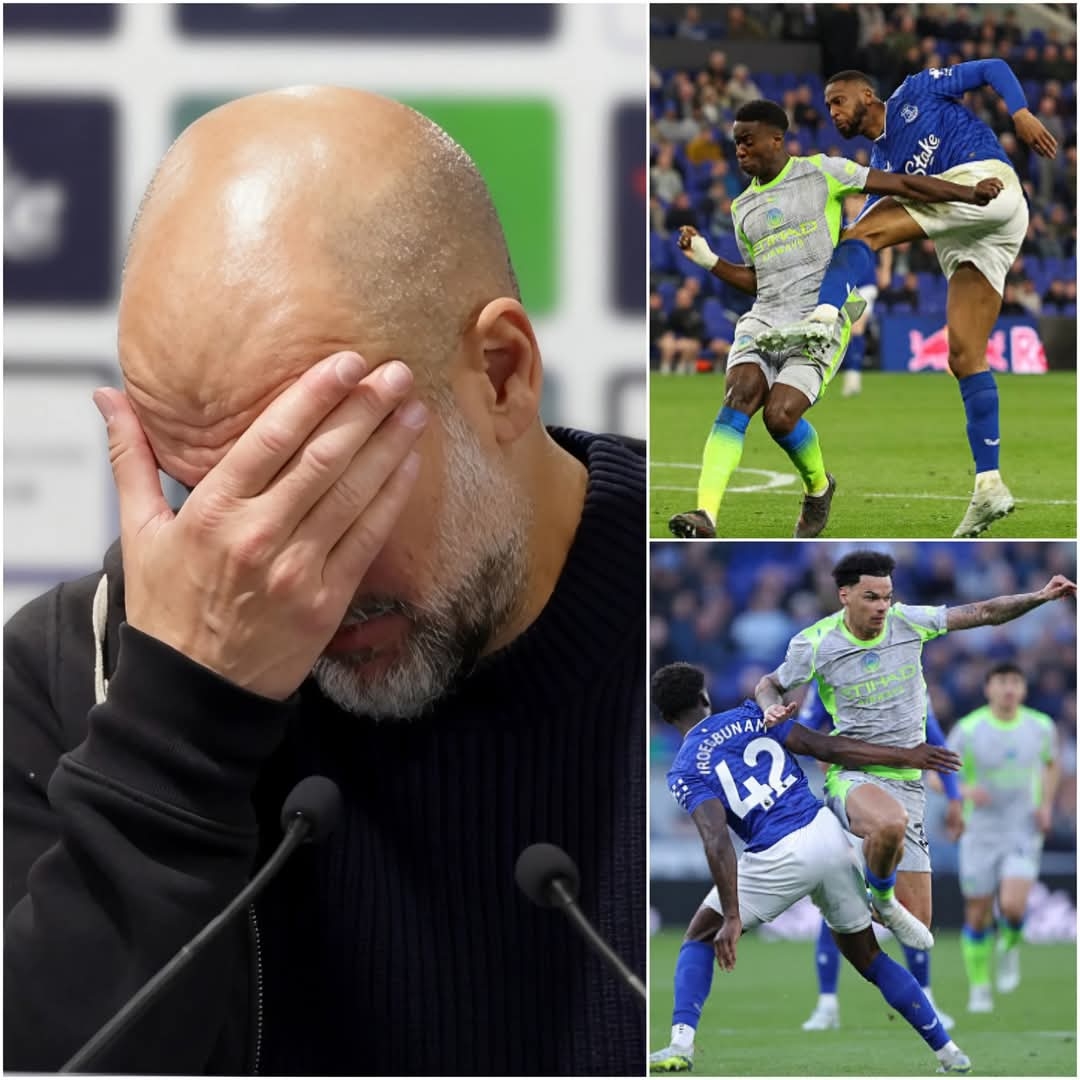
Those words did not just sound like a normal post-match reaction. They sounded heavy. They sounded personal. And most of all, they sounded like something that would shake everything inside the dressing room.
The night had already been painful. A 3-3 draw against Everton felt like a defeat, not because Manchester City played badly from start to finish, but because they had control, they had the lead, and they let it slip away. For a team chasing the title, for a team used to dominance, for a manager who demands perfection, this was the kind of result that cuts deep.
But no one expected what came next.
After the match, as cameras waited and microphones were pushed forward, Pep Guardiola stepped in front of the world and said something that immediately changed the mood around the club. He did not hide. He did not protect. He did not give the usual careful answers.
Instead, he spoke with honesty. Brutal honesty.
“I made a mistake trusting him.”
That single sentence was enough to send shockwaves through fans, players, and everyone watching. It was not just criticism. It was an admission. A confession from one of the most respected managers in football that his own decision had cost his team.
But it did not stop there.
Guardiola went further, explaining how that trust in one player, in one moment, had directly affected the game. He spoke about missed decisions, lack of focus, and a performance that did not meet the level required at such a crucial stage of the season.
He did not mention the player’s name immediately. And that made it even more intense.
Because suddenly, everyone started guessing.
Fans began asking questions. Who was he talking about? Which player had disappointed the manager so much that he would speak like this in public? Which moment had pushed him to that point?
Inside the dressing room, the atmosphere was already tense. Players knew the importance of the match. They knew they had thrown away something valuable. But hearing their manager speak like that added another layer of pressure.
Some players looked at each other, silently trying to understand. Others already had an idea.
Because on the pitch, there had been moments. Moments where things went wrong. Moments where control was lost. Moments where one decision, one action, changed everything.
The game itself had started with intensity. Manchester City came out strong, moving the ball quickly, creating chances, showing why they are one of the best teams in the world. They took the lead. Then they extended it. At one point, it looked like the game was under control.
But football can change quickly.
Everton did not give up. They kept pushing, kept believing, and slowly, the game began to shift. A mistake here. A lapse in concentration there. And suddenly, the confidence that City had built started to disappear.
One of those moments stood out. A moment that fans replayed again and again after the match. A decision that seemed small at first but had massive consequences. It was the kind of situation where experience, awareness, and composure are needed.
And it did not happen.
Instead, what followed was hesitation. Confusion. And then punishment.
Everton capitalized. The goal came. The energy in the stadium changed. And from that point on, Manchester City were no longer in full control.
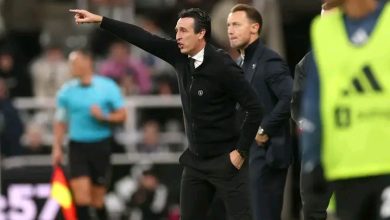
Guardiola watched it all from the touchline. Every pass, every movement, every mistake. His reactions became more animated as the game went on. He shouted instructions, made changes, tried to regain control.
But the damage had already begun.
By the time the final whistle blew, the scoreboard showed 3-3. Two points dropped. Two points that could make all the difference in a title race that is already tight.
And that is why his words after the match carried so much weight.
Because this was not just about one game. This was about the bigger picture.
Arsenal are ahead. The gap is there. And every mistake now feels bigger than it normally would. Every dropped point feels like a step away from the title.
Guardiola knows this.
That is why he spoke the way he did.
Eventually, the identity of the player became clear. And that is when the reaction truly exploded.
Fans were shocked. Not just because of the mistake, but because of who it was. A player many trusted. A player who had been given responsibility. A player expected to deliver in moments like this.
Social media reacted instantly. Some fans were angry. Others were disappointed. Some tried to defend the player, reminding everyone that mistakes happen.
But the image had already been created.
The moment. The mistake. The words from the manager.
For the player involved, this was one of the toughest moments of his career. Not just because of what happened on the pitch, but because of how it was discussed after.
Being criticized publicly by your own manager is never easy. Especially when that manager is someone like Guardiola, known for his high standards and attention to detail.
Inside, it hurts.
You start replaying the moment again and again. Thinking about what you could have done differently. What you should have done. How one decision could have changed everything.
Teammates tried to support him. Some spoke to him privately. Others reminded him that football is a team game, that no single moment defines a player.
But the pressure was still there.
Because in football, moments like this stay with you.
Guardiola later tried to bring some balance to the situation. While he did not take back his words, he emphasized that responsibility is shared. That the team as a whole could have done better. That one mistake does not erase everything a player has done before.
But the message had already been delivered.
Clear. Strong. Unforgettable.
This situation also raised questions about management style. Some people believe in protecting players publicly and criticizing them privately. Others believe in honesty, even if it is uncomfortable.
Guardiola has always been a manager who demands the highest level. He pushes his players. He expects them to think, to react, to perform under pressure.
And when that does not happen, he does not hide his disappointment.
For Manchester City, the focus now shifts to what comes next.
The title race is still alive, but it has become more difficult. Every game from now on feels like a final. Every point matters.
The players know this. The manager knows this. The fans feel this.
The question now is how the team responds.
Will this moment break confidence? Or will it create a reaction?
Great teams are not defined by perfect performances. They are defined by how they respond to setbacks.
For the player at the center of it all, this is a chance to show character. To come back stronger. To prove that one mistake does not define him.
For Guardiola, it is about finding the balance between pressure and support. Between demanding excellence and maintaining unity.
And for the fans, it is about belief. Belief that the team can recover. That the story is not finished yet.
Because in football, everything can change quickly.
One game can hurt you.
But the next one can bring you back.
And somewhere inside that dressing room, after all the noise, after all the reactions, after all the headlines, there is still one simple goal.
Win the next match.
Because that is the only way to move forward.