McInnes must sanction loan exit for Rangers summer signing after latest snub v St Johnstone

Squad management is the least glamorous part of a manager’s job and one of the hardest. A club can spend millions on players, but only eleven can start and a handful more can come off the bench, which means that every signing who does not play is a small problem waiting to grow. Rangers brought in 14 players during the summer window, and several of them have struggled for minutes. One of the most notable is Vanja Dragojevic, the midfielder who joined from Partizan for a reported €5 million (£4.1 million) on a four-year contract and who has barely featured since. After the latest snub, in the 4-0 win over St Johnstone, Ibrox News argued that Derek McInnes should now sanction a loan move. It is a sensible suggestion, but whether it is the right one depends on factors that go beyond Dragojevic himself.
The immediate trigger was a substitution. McInnes considered using Dragojevic in the second half of the 4-0 Premiership win over St Johnstone on Saturday, but deployed Tochi Chukwuani instead. Chukwuani made the most of the opportunity, scoring the fourth goal in the closing minutes after a neat pass from Djeidi Gassama. It was a perfectly sensible decision by the manager, since Chukwuani had been waiting for a chance and was rewarded for his patience. But it also meant that Dragojevic, who had been given another opportunity to enter the game, stayed on the bench again. For a player who cost over £4 million, a second consecutive afternoon as an unused substitute is a worrying sign.
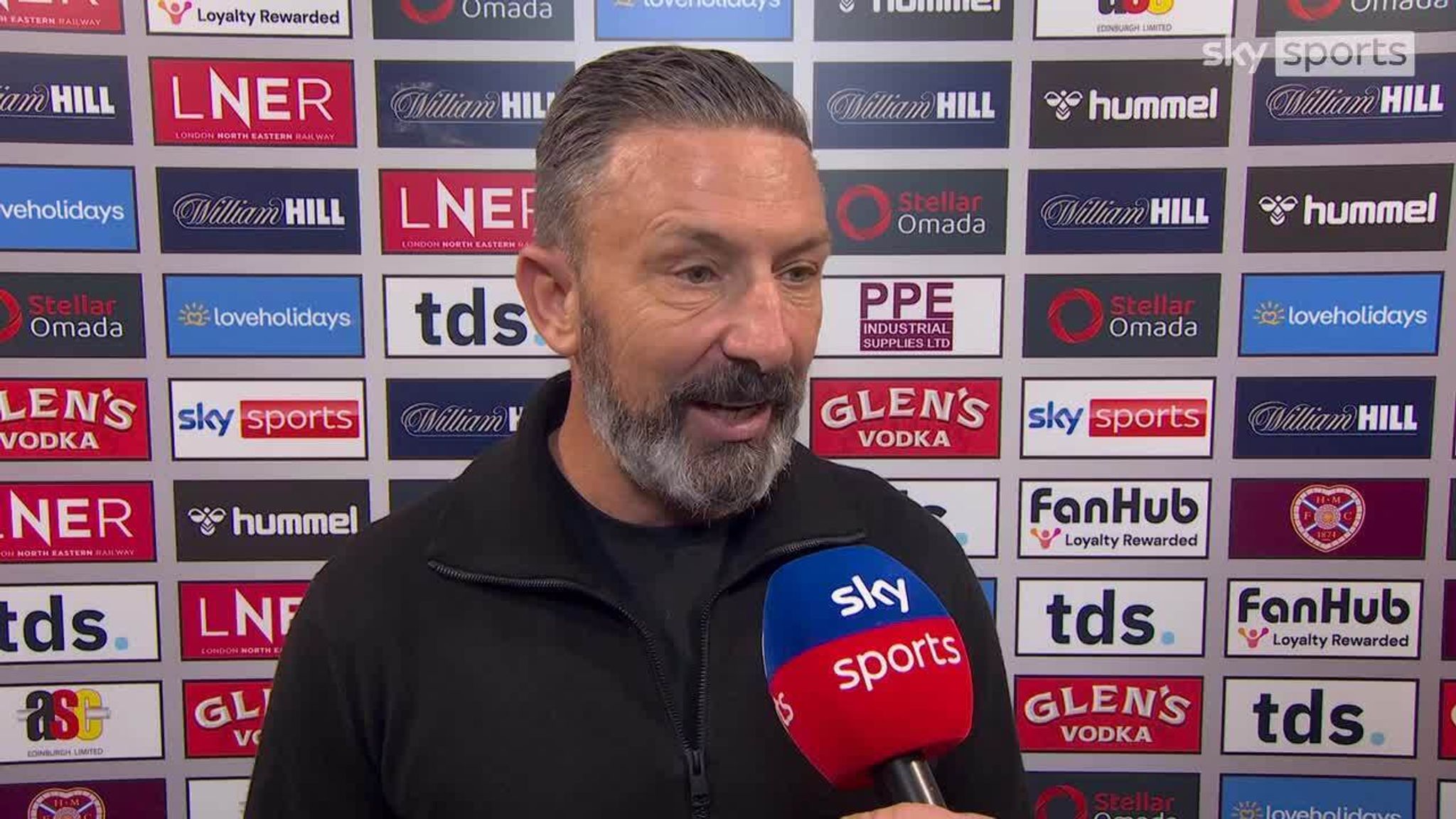
McInnes was asked about the situation and gave an honest, if slightly resigned, answer. He said that he cannot please all the players all the time, nor all the supporters who want a particular player to play a wee bit more, and he described the situation as a juggling act. That is a fair summary of the difficulty. A manager with 14 new arrivals, a title challenge to manage and several injuries to deal with has to make hard choices every week, and some players are bound to be disappointed. He has also insisted that Dragojevic will play his part in the season, which is the standard line for a manager who does not want to damage a player’s confidence. It is a reasonable response, but it does not solve the underlying problem.
That problem is one of numbers. Rangers’ midfield has been dominated this season by Nicolas Raskin and Dan Neil, who have started most of the key matches, and the manager has been reluctant to break up the partnership. Cammy Devlin is injured, and Jose Cifuentes is also listed with an injury and is expected to leave at some point. That leaves a limited supply of players who can come into the central positions, and Chukwuani and Dragojevic are the main candidates. Chukwuani has the advantage of having been at the club since January, having impressed under the previous manager and having now scored when given a chance. Dragojevic is the newer arrival, and he has had to wait his turn.
The logic of a loan is simple. A young player who is not playing needs minutes, and the best way to get them is to move to a club where he will be a regular starter. Playing time builds sharpness, confidence and the kind of match fitness that cannot be replicated in training. A midfielder who spends the best part of a season on the bench may find that his development stalls, and that his market value falls as a result. A loan to a club in a decent league, whether in Scotland or elsewhere, would give him a chance to show what he can do, and it might enable Rangers to bring him back in the summer as a more rounded player. That is the case that Ibrox News is making, and it has some force.
There is also a squad-management argument. Having too many players in a squad can create problems, particularly when several of them are unhappy about their situation. Players who are not in the team can become frustrated, and frustration can spread to the rest of the dressing room if it is not handled carefully. A manager who is trying to build unity and consistency has to think about the mood of the whole group, and a small number of unhappy players can have a disproportionate effect. By sending one or two of them out on loan, McInnes could reduce the risk and free up space for others. It is a pragmatic approach, and one that many managers have used successfully.
The financial angle is also worth considering. Rangers paid over £4 million for Dragojevic, and they will want to protect that investment. A player who sits on the bench for a year is not increasing his value, and the club’s recruitment model depends on buying players, developing them and, if possible, selling them at a profit. A loan could help to preserve or even enhance his value, particularly if he performs well. The alternative, leaving him in the squad without minutes, risks turning a useful asset into a drain on resources, with wages and amortisation costs but no corresponding benefit. For a club that has made financial stability a priority, that is not a trivial consideration.
On the other hand, there are strong reasons for caution. The most obvious is the situation of Raskin, whose future is uncertain. The Belgium midfielder has been linked with Real Betis, Aston Villa and other clubs, and although he insisted this week that he is really happy at Rangers, he also admitted that his contract situation is out of his hands. If a big offer arrives in January and the club decides to sell, McInnes would need a replacement in the central midfield, and Dragojevic is one of the few players who could step in. Loaning him out in the same window that Raskin might leave would be a risky gamble, and the manager would have to think carefully about the timing.
That risk is compounded by the fact that the January window is notoriously difficult for buying. Football Insider has reported that Rangers expect a quiet window and have no plans to sign anyone unless forced to by injuries or departures. The chairman, Andrew Cavenagh, has urged patience on spending, and the club is focused on financial stability. In that context, a squad player like Dragojevic may be more valuable as an insurance policy than as a loan candidate, because he is already registered, already familiar with the system and already available. Replacing him in the middle of the season would require a new signing or a reshuffle, and neither option is guaranteed to be easy.
There is also the matter of injuries. Rangers have been hit by several during the early part of the season, with Lawrence Shankland, Youssef Chermiti, Daisuke Yokota and Devlin all out for various periods. A squad that is already thin in some positions cannot afford to lose depth in others, and midfield is an area where one or two injuries could quickly create problems. A manager who has just lost a key player to injury will be grateful for any option he can find, and a Dragojevic who has been training well and who is ready to play could be exactly what he needs. The cost of keeping him is small compared with the cost of being caught short.
It is worth thinking about what Dragojevic himself would want. A player who has moved from Serbia to Scotland to join a big club will not be keen to be shipped out within months, particularly if he believes that his chance will come. He signed a four-year deal, which suggests that the club regarded him as a long-term prospect, and he may feel that he needs time to adapt. The Scottish league is physical and fast, and many foreign signings need a period of adjustment before they reach their best. A loan could be seen as a vote of no confidence, and it might affect his attitude. A conversation between the manager and the player would be essential before any decision is made.
The comparison with Chukwuani is instructive. Only a few days ago, FootballFanCast was arguing that Chukwuani had been a waste of money and should never start again, and yet he has now scored a goal in a 4-0 win. That does not make him a star, and one finish is a small sample, but it is a reminder that opinions about squad players can change quickly. A player who looks surplus to requirements in October may be essential in March, and a manager who sells or loans too hastily may regret it. McInnes clearly understands this, which is why he has been careful to keep his options open and to reassure the players who are not playing.
The wider squad context supports a cautious approach. Rangers have used 14 new players this summer, and a number of them, including Kelsy, Bouanani, Kim, Naderi and Makhanya, have already made a significant impact. Others, such as Godfrey and Dragojevic, are still waiting for their chances. A squad that is rebuilt on this scale takes time to settle, and it is normal for some players to take longer than others to find their place. The manager has a good record of getting the best out of his players, and there is every reason to believe that he will find a role for Dragojevic if he stays. A hasty decision to send him away might deprive the team of a useful option.
That said, there is a middle path. McInnes could decide to keep Dragojevic until the January window opens and then reassess in the light of Raskin’s situation. If Raskin stays and the team is performing well, the midfielder could be loaned to a club that would give him regular football, with an option to recall him if circumstances change. If Raskin leaves, Dragojevic would be needed, and the question would answer itself. That flexible approach would protect the club’s interests while giving the player a chance to prove himself. It is not as clear-cut as the argument for an immediate loan, but it is more sensible given the uncertainty.
The calendar also matters. Rangers face a busy fixture list in the coming weeks, with a trip to Tynecastle to play Hearts on Wednesday, followed by another match at the weekend. The club is also chasing Celtic, who are only a point ahead, and every match carries extra weight. In that environment, the manager will want to have as many options available as possible, and rotation will be an important tool. A midfielder who can play 20 or 30 minutes at the end of a match, or who can start in a cup game, is a valuable asset, and Dragojevic may yet get his chance. The first half of the season is rarely the best guide to the second, particularly when injuries and suspensions intervene.
In the end, the case for a loan rests on an assumption that Dragojevic will not play. If that is true, the logic is strong, because a player who is not playing is not developing. But it is not yet certain, and the manager has said that he expects the midfielder to contribute. The coming weeks will show whether that is realistic. If he gets minutes against Hearts and in the games that follow, and if he performs well, the question will fade. If he remains on the bench, the pressure for a loan will grow, and the January window will provide the opportunity. McInnes does not have to decide now, and he would be wise to wait.
What is clear is that the sitation requires careful management. Dragojevic is not a failure, and it would be unfair to treat him as one after a few months. He is a young player who has moved to a new country and a new league, and he is competing with established midfielders in a team that is winning. The right approach is to be patient, communicate openly and make a decision based on the evidence. If a loan is in the best interests of the player and the club, it should happen. If not, he should stay and fight for his place. Either way, the outcome should be driven by sporting logic, not by the pressure of a headline.
For Rangers supporters, the story is a reminder of how complex squad building can be. A club that signs 14 players in a summer is bound to have some who do not play, and the way those players are handled can have a big effect on the success of the season. McInnes has shown that he is a thoughtful, pragmatic manager who is willing to make tough decisions, and he has the support of the board. The challenge now is to keep the whole squad motivated, to make the best use of the resources at his disposal and to maintain the momentum that has carried the team to within a point of the leaders. If he can do that, the question of Dragojevic will look like a minor matte