“One step away” – Latest Rangers player exit must trigger further spending 38 minutes ago Read Rangers


The impending departure of Albanian international midfielder Nedim Bajrami to Saudi Pro League outfit Al Taawoun marks a decisive structural moment in Rangers’ summer transfer window. With Bajrami finalizing a two-and-a-half-million-pound move away from Ibrox, the financial and tactical recalibration of Derek McInnes’ squad enters its next crucial phase. While Rangers have already welcomed multiple new arrivals during a busy pre-season campaign, several of those additions were geared toward structural depth rather than immediate, high-impact starting quality. Reinvesting the proceeds from Bajrami’s departure, alongside the wage relief generated by his exit, is essential to giving McInnes the necessary firepower and technical balance required to sustain a fierce domestic title challenge.
Bajrami’s movement toward the exit door clears significant space on the club’s wage bill while providing an immediate capital injection that can be deployed directly into active negotiations. Having arrived with high expectations, the playmaker’s transition to Middle Eastern football frees up resources that must now be directed toward primary targets before the deadline passes. This capital, combined with prospective high-value outgoings such as Belgian midfielder Nicolas Raskin, gives the Ibrox board considerable financial leverage. Rather than absorbing the funds into operational reserves, the technical staff understands that squad momentum depends on converting outgoing transfer value directly into immediate on-field quality.
While the early summer window focused heavily on establishing a resilient domestic framework through key additions like Lawrence Shankland, Dan Neil, and Ben Godfrey, the technical staff continues to pursue specific profiles in the market to complete the squad’s transformation. Negotiations remain active for Norwegian prospect Jens Hjerto-Dahl of Tromsø following an upgraded multi-million-pound proposal, while discussions surrounding direct wide targets highlight the management’s desire to add genuine isolated dribbling and raw pace on the flanks. The recently finalized deal for South African defender Olwethu Makhanya from Philadelphia Union addresses central defensive numbers, but further tactical versatility across the pitch remains a priority for McInnes as the fixtures accumulate.
Rangers kicked off their Scottish Premiership campaign with a hard-fought draw away to Dundee United, where early signs of McInnes’ tactical identity were on display alongside areas that clearly require further refinement. With crucial European qualification fixtures fast approaching, the margin for error in squad assembly is exceptionally narrow. Moving Bajrami off the books represents a necessary step in streamlining the squad, but the true measure of this transfer window will depend entirely on how swiftly the board reinvests those funds. To bridge the gap at the top of Scottish football and navigate a demanding continental schedule, Rangers must turn this latest player exit into an immediate catalyst for decisive, high-caliber recruitment.
The operational necessity for further reinvestment is underscored by the physical and tactical demands of a relentless fixture list that leaves little room for thin squad depth. The Scottish Premiership tests team resolve through intense physical battles, hostile away environments, and compact defensive blocks that require varied offensive solutions. When a squad lacks sufficient technical variation or dynamic wide options, possession becomes predictable and easily contained by well-drilled domestic opponents. By sanctioning Bajrami’s departure, Rangers have removed a player who struggled to consistently impose his technical quality on these rugged domestic contests, creating both financial bandwidth and a tactical vacancy that must be filled by a profile better suited to McInnes’ high-tempo, direct transition system.
Furthermore, the timing of this transaction aligns with a critical window in European football’s market cycle, where clubs across the continent are finalizing their rosters and seeking quick liquid capital. Having secured a reasonable return on Bajrami while shedding a substantial salary, the Rangers board holds a strong negotiating position entering the final weeks of the window. However, financial prudence must be balanced against the athletic realities of the pitch. Leaving squad slots unfilled or settling for lateral replacements risks compounding the pressure on core players like Lawrence Shankland and Thelo Aasgaard early in the campaign. The decision to sell must be matched by an equally decisive commitment to buy, ensuring that every departure directly funds an upgrade in athleticism, tactical intelligence, and squad resilience.
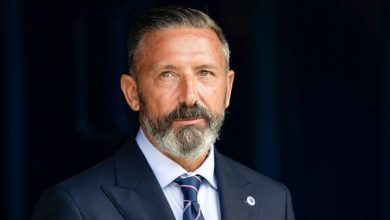
Looking ahead to the upcoming domestic fixtures and European ties, the atmosphere around Ibrox remains expectant yet demanding. Supporters recognize that while structural rebuilding takes time, modern football rarely affords managers the luxury of extended transition periods without tangible results. Derek McInnes has demonstrated a clear understanding of the expectations in Govan, reshaping the dressing room culture and setting high standards for work ethic and tactical discipline. Capitalizing on the momentum of Bajrami’s exit by securing top-tier targets will serve as the ultimate statement of intent from the board, signalling to both the squad and the opposition that Rangers are fully equipped to mount a sustained drive for silverware this season.