Rangers’ summer transfer plans are beginning to take serious shape, and the message coming out of Ibrox is clear: this is no longer just about spending big money or bringing in a large number of players. Instead, it is about building a smarter, more balanced squad built on leadership, mentality, and players who understand the demands of Scottish football.
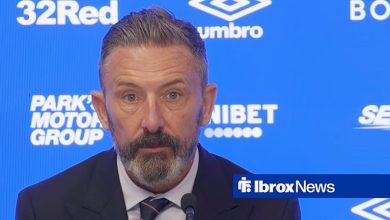
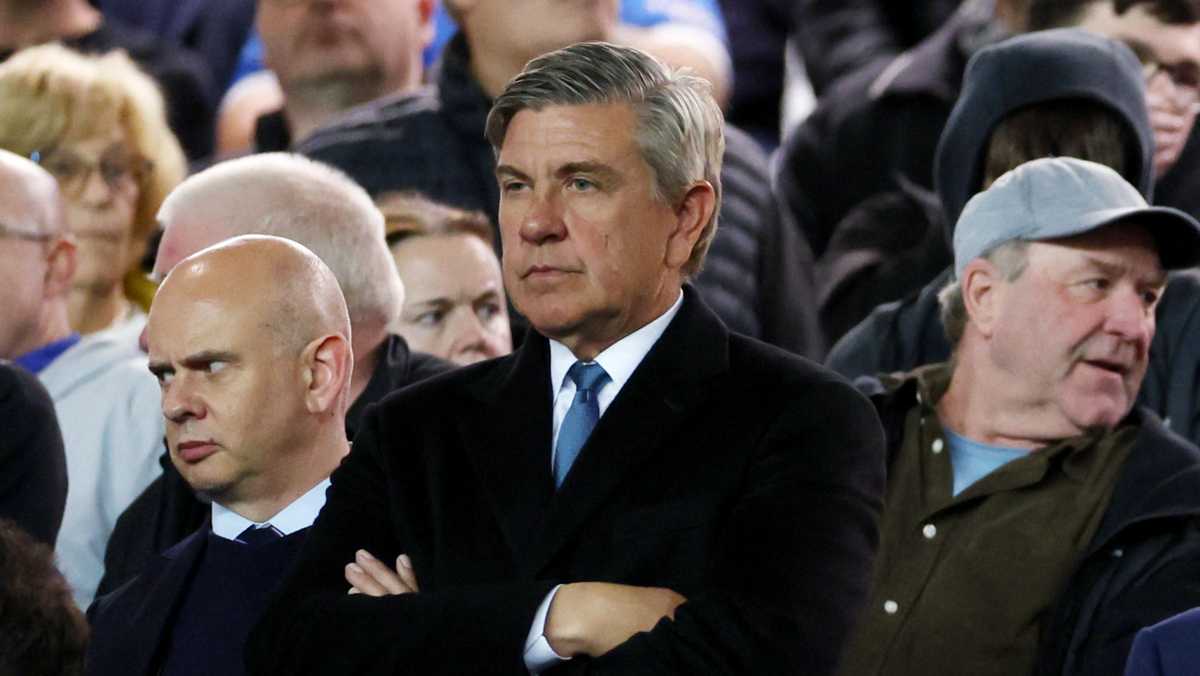
At the centre of this evolving strategy is club chairman Andrew Cavenagh, who has openly outlined the direction the club intends to take as they prepare for a major squad rebuild under manager Danny Röhl. And while Rangers are expected to remain active in the transfer market, the focus is shifting away from volume and towards quality, character, and fit.
This approach is already influencing major transfer decisions, including moves involving targets in both Scotland and Europe, with one name standing out strongly in recent reports: highly rated midfielder Silas Andersen.
### Rangers shift transfer strategy under new leadership direction
After a turbulent season filled with inconsistency and heavy squad changes, Rangers are now planning a more structured rebuild. Last summer saw a massive overhaul, with around 27 ins and outs across the squad, but the club hierarchy has made it clear that such chaos will not be repeated.
Instead, Rangers want precision.
Speaking about the club’s new philosophy, Andrew Cavenagh explained that financial spending is no longer the only focus. The emphasis now is on building a winning team through balance, leadership, and strong character within the squad.
He made it clear that the club will still invest, but not blindly. Every signing must serve a purpose, fit a specific role, and improve the overall structure of the team.
This represents a major shift in thinking at Ibrox, where previous windows were often defined by urgency and large-scale recruitment.
Now, the question being asked internally is not “how much can we spend?”, but rather “what kind of team are we building?”
### Leadership and mentality become key priorities
One of the most important themes in Rangers’ new recruitment strategy is leadership.
The club has identified that talent alone is not enough to compete consistently at the top of the Scottish Premiership. Mentality, experience, and leadership qualities are now being treated as essential requirements for new signings.
Cavenagh stressed that Rangers are actively searching for players who can take responsibility on the pitch, guide younger teammates, and handle pressure in high-stakes matches, especially in Old Firm games against rivals Celtic F.C..
This marks a clear evolution in recruitment thinking. Rather than simply chasing technical ability or statistical output, Rangers are now prioritising emotional intelligence, resilience, and leadership presence.
The club believes that these qualities are what separate title-winning teams from inconsistent challengers.
### A “pro-Scottish bias” in recruitment decisions
Perhaps one of the most interesting elements of Rangers’ new transfer policy is the introduction of what has been described as a “pro-Scottish bias.”
This does not mean the club is limiting itself only to Scottish players. Instead, it is a strategic preference designed to improve squad cohesion and familiarity with the demands of the Scottish Premiership.
The idea is simple: if two players are of similar quality, Rangers will prefer the Scottish option.
The reasoning behind this is that domestic players often adapt faster, understand the intensity of local rivalries, and are already familiar with the physical and emotional demands of Scottish football.
The same principle applies to players with strong experience in the Scottish Premiership.
If a decision must be made between a player with proven SPFL experience and one without, Rangers are now more likely to choose the player who already understands the league.
This approach is designed to reduce adaptation risk and improve immediate performance.
However, club officials have also made it clear that this is not an absolute rule. It is a guiding principle, not a restriction. Rangers will still pursue international talent when appropriate, especially when it strengthens key areas of the squad.
### Early move for Lawrence Shankland sets tone
Rangers have already begun acting on their new strategy in the market.
One of the clearest examples is their move for experienced striker Lawrence Shankland, who has been strongly linked with a switch to Ibrox from Hearts.
Shankland represents exactly the type of signing Rangers are now targeting: experienced, proven in the Scottish Premiership, and capable of delivering goals under pressure.
His potential arrival would not only strengthen Rangers’ attacking options but also add leadership and reliability in key moments.
For a team looking to reduce inconsistency, such a signing is seen as a major step in the right direction.
### Silas Andersen becomes key European target
While domestic recruitment is a priority, Rangers are also continuing to explore opportunities in Europe. One of the most talked-about targets is Danish midfielder Silas Andersen, who has attracted interest from multiple clubs across the continent.
Reports suggest Rangers are “advancing in talks” for the highly rated BK Häcken midfielder, although competition for his signature remains strong.
Clubs such as Celtic, Sporting CP, Hamburg, and FC Köln are also monitoring his situation closely, making this a competitive transfer battle.
Andersen is considered one of the most promising young midfielders in Scandinavia, and his profile fits the modern Rangers recruitment model.
Standing at 6’3”, he combines physical strength with technical ability, making him effective both defensively and in possession. His ability to break up play, carry the ball forward, and contribute creatively makes him a well-rounded midfield option.
Statistically, Andersen has impressed with strong defensive contributions, including over two tackles per game and a high dribble success rate. He also contributes creatively, averaging more than one chance created per match from a deeper midfield role.
At international level, he has already earned caps for Denmark’s U21 team, scoring goals and gaining valuable experience against top young talent in Europe.
### Transfer competition and Champions League challenge
However, Rangers face a significant challenge in securing Andersen’s signature.
One major factor influencing the situation is European competition. Reports suggest the midfielder is eager to play in elite continental tournaments, particularly the UEFA Champions League.
This could become a problem for Rangers, especially if they fail to secure qualification for Europe’s top competition.
That situation may give rivals such as Celtic a potential advantage in the race, as clubs offering Champions League football naturally hold stronger appeal for ambitious young players.
This adds another layer of pressure to Rangers’ transfer strategy, where recruitment success is increasingly linked not only to financial investment but also to European performance.
### Squad identity and long-term planning
Beyond individual transfers, Rangers’ broader goal is to reshape squad identity.
The club wants a team that is more balanced, more cohesive, and more mentally resilient in high-pressure moments. Last season exposed weaknesses in consistency, especially during crucial phases of the campaign.
By focusing on leadership, SPFL experience, and carefully selected European talent, Rangers hope to build a squad capable of competing across all competitions, not just in bursts.
This long-term vision reflects a more modern approach to football planning, where recruitment is aligned with tactical identity and cultural stability.
### Pressure remains high at Ibrox
Despite these strategic changes, pressure at Rangers remains extremely high. The club’s supporters expect immediate success, particularly in the league title race and Old Firm fixtures.
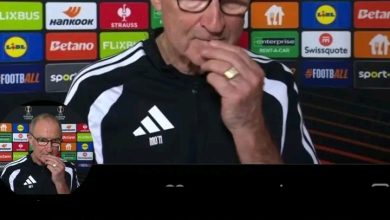
Manager Danny Röhl now finds himself in a crucial position, as he must integrate new signings while also delivering consistent results.
Even with board backing and a clearer recruitment plan, football ultimately remains results-driven. If performances do not improve quickly, questions will inevitably return.
### Conclusion: a new era of smarter recruitment
Rangers’ evolving transfer strategy represents a clear shift away from chaotic rebuilding and towards structured squad development.
Led by Andrew Cavenagh, the club is prioritising leadership, mentality, and familiarity with Scottish football, while still remaining active in European markets.
Moves for players like Lawrence Shankland highlight the importance of proven domestic quality, while interest in Silas Andersen shows the club is still aiming to compete for emerging European talent.
Ultimately, this summer will be a defining period for Rangers.
If their new recruitment strategy succeeds, it could lay the foundation for long-term stability and success.
But if it fails, pressure will quickly return to both the boardroom and the dugout.
Either way, Ibrox is heading into a crucial new chapter—one built not just on spending, but on intelligence, identity, and leadership.