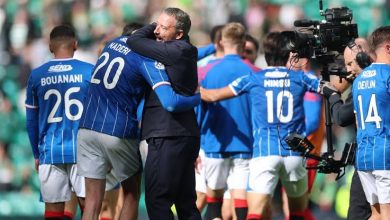
Rangers star wave emotional goodbye to rangers after spending years with the club

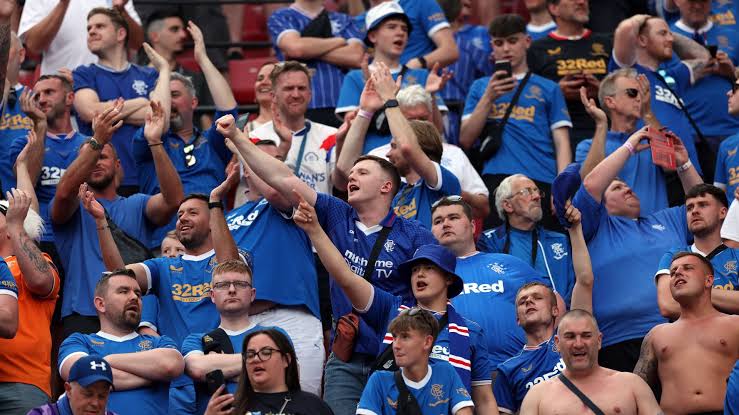
Rangers are once again heading into a major summer of change, and this time the feeling around Ibrox is that nobody is safe, no matter how big their name or how important they have been in the past. The new ownership structure involving the 49ers group and Andrew Cavenagh has brought a much more aggressive approach to squad building, and the message is clear: average is no longer acceptable. Every area of the team is being reviewed, every position is being questioned, and every player is being judged on whether they truly fit the future of the club.
This new direction has already brought major movement. James Tavernier, one of the longest-serving and most influential players in recent Rangers history, has already moved on. His departure alone was enough to show fans that this is not going to be a gentle rebuild. There was no long farewell tour, no emotional final chapter, just a clear decision that the squad needed to move forward. It was a moment that surprised many supporters but also signaled that big changes are now normal at Ibrox.
Before the transfer window has even officially opened, Rangers have already started adding new faces. Lawrence Shankland has arrived from Hearts, bringing experience, goals, and a strong connection to Scottish football. His signing was seen as an early statement that Rangers are serious about strengthening key attacking areas. But even with Shankland’s arrival, there is a strong feeling that more movement is coming, and that some unexpected exits could still follow.
One of the names now under serious discussion is Jack Butland. The Rangers goalkeeper, who arrived with high expectations, is suddenly finding his future at the club being questioned. At first, many supporters believed he would become a long-term solution in goal, someone reliable who could bring stability to a position that has often been inconsistent over the years. However, football can change quickly, and performances often shape opinions faster than reputation.
Butland’s time at Rangers has been mixed. There have been moments where he looked outstanding, making crucial saves, especially in big matches where Rangers needed leadership and composure. His penalty-saving ability has also been a strong feature of his game, earning him praise from fans and analysts. On his best days, he looks like a goalkeeper capable of winning points on his own.
But those high points have been balanced by frustrating mistakes. Throughout the season, there have been moments where errors have cost Rangers goals at important times. One example that supporters still remember came in the final-day match against Falkirk, where a simple situation turned into a costly mistake. A poor touch from a routine pass led to an own goal situation that gave the opposition hope when the game should have been comfortably under control. Moments like that have raised questions about consistency.
Across the season, Butland made several appearances where his performance level varied. In total, he featured regularly, but the number of mistakes leading directly to goals became a concern for coaching staff and supporters alike. In modern football, especially at a club like Rangers, consistency is everything. A goalkeeper is expected not only to make big saves but also to remain reliable week after week without giving opponents unnecessary opportunities.
Because of this inconsistency, Rangers have reportedly begun looking at possible replacements. The club’s recruitment team is already exploring options in the transfer market, and one name that has appeared is Anthony Patterson of Sunderland. Patterson is considered one of the more promising English goalkeepers outside the Premier League system, and his situation at Sunderland has made him available for potential transfer this summer.
Reports suggest Sunderland are willing to listen to offers in the region of £8 million for Patterson. That valuation immediately places him in a category that requires serious financial commitment, and it is not yet clear whether Rangers are prepared to spend that level of money on a goalkeeper. While he is highly rated, the price tag alone creates hesitation, especially when the club is also strengthening other areas of the squad.
Interestingly, Patterson’s situation at Sunderland has changed over time. He has found himself moving down the pecking order, which has surprised some observers given his earlier status at the club. Despite that, he remains a player with potential and is still being tracked by multiple clubs in England and Scotland. Teams such as Wolves, Wrexham, and Millwall have also been linked with interest, showing that the competition for his signature could be strong if a transfer becomes realistic.
For Rangers, the situation is complicated. On one hand, they are clearly exploring options to improve their goalkeeping department. On the other hand, spending £8 million on a single player, especially a goalkeeper, is a major decision that would need full backing from the ownership group and coaching staff. It also raises questions about priorities in the transfer window, especially when other positions also need reinforcement.
For now, Jack Butland has not been officially told he is leaving. In fact, reports suggest he has been given something of a temporary reprieve. That means he is still part of the squad and still has a chance to prove himself to the new coaching setup under Danny Rohl. Pre-season could be extremely important for him, as it may determine whether he remains first choice or becomes surplus to requirements.
However, the situation is clearly changing. Butland is entering the final stage of his contract, with only one year remaining, and that alone shifts the dynamic significantly. When players reach the final year of their deals, clubs often face difficult decisions. They must either extend contracts, sell players while they still have value, or risk losing them for free later. That pressure often accelerates transfer activity.
At Rangers, this is especially important because the club is trying to build a squad capable of challenging consistently at the top level. The ownership group is reportedly not interested in another average season, and that means every position is under review. If there is a belief that upgrading the goalkeeper position will improve results, then difficult decisions will be made without hesitation.
Butland’s situation is also influenced by wider expectations at the club. Rangers supporters are demanding stability and consistency in key positions. Goalkeeper is one of the most important roles on the pitch because mistakes are often punished immediately. Unlike outfield players, goalkeepers rarely get multiple chances to recover from errors in a single match. That pressure can quickly shape public opinion.
At the same time, there is recognition that Butland has qualities that are not easy to replace. His shot-stopping ability remains strong, and his experience at a high level gives him authority in the box. He has also shown leadership qualities at times, organizing the defence and providing communication from the back. These are important traits that Rangers will consider carefully before making any final decision.
The debate around him therefore is not simple. It is not a clear case of a player being completely out of favour. Instead, it is a situation where the club is weighing up consistency against potential improvement. That kind of decision is common in modern football, especially at clubs undergoing rebuilds.
Supporters are also divided. Some believe Butland deserves more time and stability, arguing that defenders in front of him have also contributed to defensive issues. Others feel that if Rangers want to reach the next level, they need a goalkeeper who makes fewer mistakes and provides complete reliability across an entire season.
Behind the scenes, recruitment work continues regardless of public opinion. Clubs like Rangers often explore multiple targets at once, preparing for different outcomes. Anthony Patterson is just one name in a wider list, but his availability and age make him an interesting option for long-term planning.
Still, even if Rangers decide not to move forward with him, the fact that they are considering goalkeeper replacements at all is a strong signal about where Butland stands in the long-term picture. It suggests that nothing is guaranteed, and every player must continue proving themselves.
As the summer window develops, this situation is likely to become clearer. Pre-season training, friendly matches, and internal assessments will all play a role in final decisions. Danny Rohl and the recruitment team will be closely watching performances and evaluating whether Butland remains the right fit for the project.
For now, he remains a Rangers player, but the pressure is building. The club is changing, expectations are rising, and competition for places is increasing. In such an environment, even established players must fight to keep their position.
What happens next could define not just Butland’s future at Ibrox, but also the direction of Rangers’ rebuild as a whole. If the club decides to move on, it would be another clear sign that no player is untouchable. If he stays and regains form, it could prove to be a turning point in his Rangers career.
Either way, this is a situation that will not remain quiet for long. The summer is just beginning, and at Rangers, change has already become the new normal.