Just now personal terms and add-ons revealed with Rangers return almost done


Ross McCrorie’s potential return to Rangers is quickly becoming one of the most talked-about stories of the summer transfer window. For many supporters, the prospect of seeing a former academy graduate return to Ibrox represents more than just another transfer. It is a story about unfinished business, development, loyalty, and the possibility of a player returning stronger, more experienced and better equipped to succeed at the club where his football journey began.
Reports suggest that Rangers are moving closer to completing a deal for the versatile Scottish international, with personal terms understood to be progressing positively and discussions between the clubs advancing towards a conclusion. While the move may not generate the same headlines as some of the bigger names linked with the club, many observers believe it could prove to be one of the smartest pieces of business completed during the transfer window.
McCrorie is no stranger to Rangers supporters. Having emerged through the club’s youth system, he was regarded as one of the brightest young talents produced by the academy in recent years. His determination, work ethic and versatility quickly earned him recognition, and many believed he would become a regular fixture in the first team for years to come.
However, football careers rarely follow a straightforward path.
Despite showing promise during his early appearances, opportunities became limited and consistency proved difficult to achieve. Like many young players attempting to establish themselves at a demanding club, McCrorie faced intense competition for places. Eventually, a permanent move away from Ibrox offered him the chance to secure regular football and continue his development.
That decision now appears to have paid off.
Since leaving Rangers, McCrorie has gained valuable experience at both Aberdeen and Bristol City. Those years have helped transform him from a promising youngster into an experienced professional capable of handling significant responsibility. Rather than stagnating, he embraced the challenge of proving himself elsewhere.
His spell at Aberdeen was particularly important.
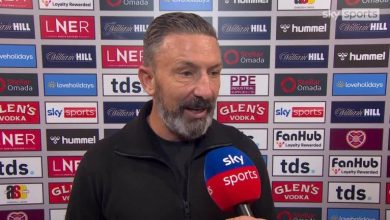
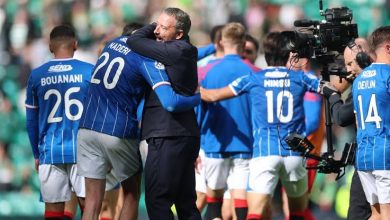
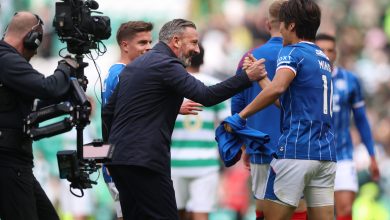
Under Derek McInnes, McCrorie developed into an increasingly influential player. The manager consistently praised his attitude, intelligence and professionalism. Few coaches understand McCrorie’s strengths better than McInnes, which helps explain why a reunion now appears increasingly likely.
The connection between manager and player could prove crucial.
When managers pursue former players, it is often because they trust them completely. McInnes knows exactly what McCrorie can bring both on and off the pitch. He understands his personality, his strengths and the qualities that make him valuable within a dressing room.
That familiarity removes much of the uncertainty that can accompany transfers.
McCrorie’s versatility is perhaps one of his greatest assets. Modern football increasingly values players capable of performing in multiple positions, and McCrorie certainly fits that description. Although primarily viewed as a right-back, he is equally comfortable operating in midfield and can provide cover across several areas of the pitch.
For Rangers, that flexibility could be extremely useful.
Squads competing across multiple competitions require depth and adaptability. Injuries, suspensions and fixture congestion often force managers to rely on players who can perform different roles. McCrorie’s ability to fill those gaps makes him an attractive option.
His potential arrival also comes at an important moment for Rangers.
The departure of experienced figures has created a need for players capable of bringing leadership and understanding of the Scottish game. McCrorie ticks both boxes. Having played extensively in Scotland before moving to England, he understands the demands of the Premiership and the expectations attached to representing a major club.
That experience should not be underestimated.
Many players arriving from abroad require time to adjust to Scottish football. McCrorie would not face that challenge. He knows the stadiums, the opponents, the atmosphere and the intensity that accompanies domestic competition.
Equally important is his familiarity with Rangers itself.
Playing for Rangers brings unique pressures. Expectations are relentless. Every match carries significance. Every performance is scrutinised. Not every player can thrive under such conditions.
McCrorie has already experienced that environment.
While his first spell may not have unfolded exactly as planned, those experiences could ultimately benefit him if he returns. He would arrive with a clearer understanding of what is required and a greater appreciation of the standards expected at Ibrox.
The reported structure of the deal also appears sensible from Rangers’ perspective.
Rather than spending enormous sums on an unproven player, the club would be investing in someone entering the peak years of his career. At 28 years old, McCrorie combines experience with physical maturity and should still have several productive seasons ahead of him.
A long-term contract would demonstrate significant confidence in his ability.
Such a commitment suggests Rangers view him not merely as a squad player but as someone capable of making an important contribution over the coming years. That belief will undoubtedly encourage supporters who are eager to see the club build a stable and competitive squad.
For McCrorie personally, the move would represent an emotional return.
Few opportunities in football are more appealing than returning to a childhood club after establishing yourself elsewhere. There is often a desire to prove unfinished business can be completed and earlier disappointments can be transformed into success.
Many players dream of returning stronger and achieving what they could not during their first spell.
McCrorie now appears to have that chance.
The timing also aligns with Rangers’ broader recruitment strategy. The club appears increasingly focused on adding players with proven experience and strong character. While exciting young talents remain important, successful squads require balance.
McCrorie would bring maturity, professionalism and consistency.
Those qualities may not always generate excitement on social media, but they are often vital ingredients in winning football matches over the course of a long season.
Derek McInnes clearly values those attributes.
Throughout his managerial career, he has repeatedly spoken about the importance of mentality and leadership. His admiration for McCrorie has never been hidden. Previous comments praising the player’s intelligence, athleticism and character highlight the respect that exists between them.
That respect could be a major factor behind the transfer.
Managers often prioritise players they trust because those individuals help implement their ideas more effectively. McCrorie already understands many of the expectations McInnes places upon his teams.
As Rangers continue reshaping the squad, supporters will naturally debate whether McCrorie should immediately become a starter. Competition for places remains important, and several players will be eager to secure regular opportunities.
However, healthy competition is exactly what successful teams require.
No player should be guaranteed a position. Instead, standards improve when individuals are forced to earn their place through performances and commitment.
McCrorie’s arrival would increase those standards.
His determination and professionalism have been praised throughout his career. Teammates and coaches frequently highlight his willingness to work hard and put the team’s interests first. Those characteristics are invaluable within a dressing room.
Supporters often focus on goals, assists and transfer fees when evaluating signings. While those factors matter, successful clubs also need players who contribute positively behind the scenes.
McCrorie appears capable of doing exactly that.
As negotiations continue, optimism is growing that an agreement will soon be finalised. If completed, the transfer would mark another significant step in Rangers’ rebuilding process under Derek McInnes.
The manager wants players he can trust. He wants competitors. He wants leaders. Most importantly, he wants footballers capable of helping Rangers return to winning ways.
McCrorie appears to fit that profile perfectly.
His journey away from Ibrox has given him valuable experience. His performances have demonstrated growth and maturity. His relationship with McInnes provides confidence that he can adapt quickly. And his understanding of Rangers ensures he knows exactly what will be expected from the moment he walks back through the doors.
For supporters, the prospect is an intriguing one.
This is not simply a story about a former player returning home. It is about a footballer who left in search of opportunity, developed into a more complete professional and now has the chance to write a new chapter in his Rangers career.
Whether he ultimately becomes a key starter, an important squad player or something even greater remains to be seen. What is clear, however, is that Rangers believe he can make a meaningful contribution to their future.
If the deal is completed as expected, Ross McCrorie’s return could become one of the defining stories of Rangers’ summer rebuild and an important step in Derek McInnes’ plans for the years ahead.