Supporter engagement has become an increasingly formal, structured part of how Rangers Football Club operates in recent years, and the club’s latest meeting with its Fan Advisory Board (FAB) offers a useful window into how that relationship currently functions — what gets discussed, who’s in the room, and what it says about the broader state of communication between Ibrox’s boardroom and the people who fill the stands
According to the club’s own published summary, the most recent session brought together Fan Advisory Board representatives and senior club figures for a wide-ranging discussion touching on several distinct areas of the club’s operations. At the centre of the agenda was the club’s ongoing strategic direction, alongside efforts to strengthen communication channels between leadership and supporters, and to further develop the collaborative working relationship between the FAB and the club’s executive team.
Among the specific topics raised were the Copland Stand Development Works — the ongoing redevelopment of one of Ibrox’s most historically significant sections of terracing, an area deeply tied to the identity of the stadium’s most vocal supporters — along with a review of current ticketing operations and continued discussion of the challenges facing supporters travelling to European away fixtures. That last point carries particular resonance given Rangers’ recent European exits; while the specific meeting covered logistical and access issues around away travel rather than football results, the broader context of a club that has just been eliminated from continental competition inevitably colors how supporters think about the value, cost, and experience of European away days going forward.
The meeting also addressed the club’s Fan Engagement Strategy in more general terms, along with planning for the club’s upcoming Annual General Meeting — a significant date on the football calendar for supporter-shareholders and Club 1872 members in particular, given the AGM traditionally offers one of the few formal opportunities each year for supporters to question club leadership directly and in a public setting.
Interim Chairman John Gilligan opened the session, according to the club’s account, by stressing his personal commitment to an open forum and his willingness to provide regular updates to the board going forward — language that, whatever its practical substance, signals an intent from the club’s current leadership to project transparency and accessibility at a moment when supporter trust in football decision-making has, by various accounts, been tested by a turbulent run of managerial changes and results.
To understand the significance of these meetings, it helps to understand what the Fan Advisory Board actually is and how it fits into Rangers’ broader governance structure. The FAB exists as a formal, ongoing mechanism through which supporters can raise questions, share feedback, and engage directly with club decision-makers, rather than relying purely on informal channels, media commentary, or reactive protest to make their views known. It operates independently of the club itself — its own public communications describe it explicitly as “the official account for the independent Rangers Football Club Fan Advisory Board” — which is an important distinction, since it positions the FAB as a body representing supporter interests rather than simply another arm of the club’s own communications apparatus.
Beyond the periodic full meetings with club leadership, FAB members also sit on and contribute to a series of dedicated working groups, each examining a specific area of the club’s operations in greater depth. These working groups cover subjects including ticketing policy, the MyGers membership and loyalty scheme, matters of club heritage, and — as referenced in the most recent meeting — the specific challenges around European away fixtures. That structure allows for more granular, ongoing engagement on individual issues between the
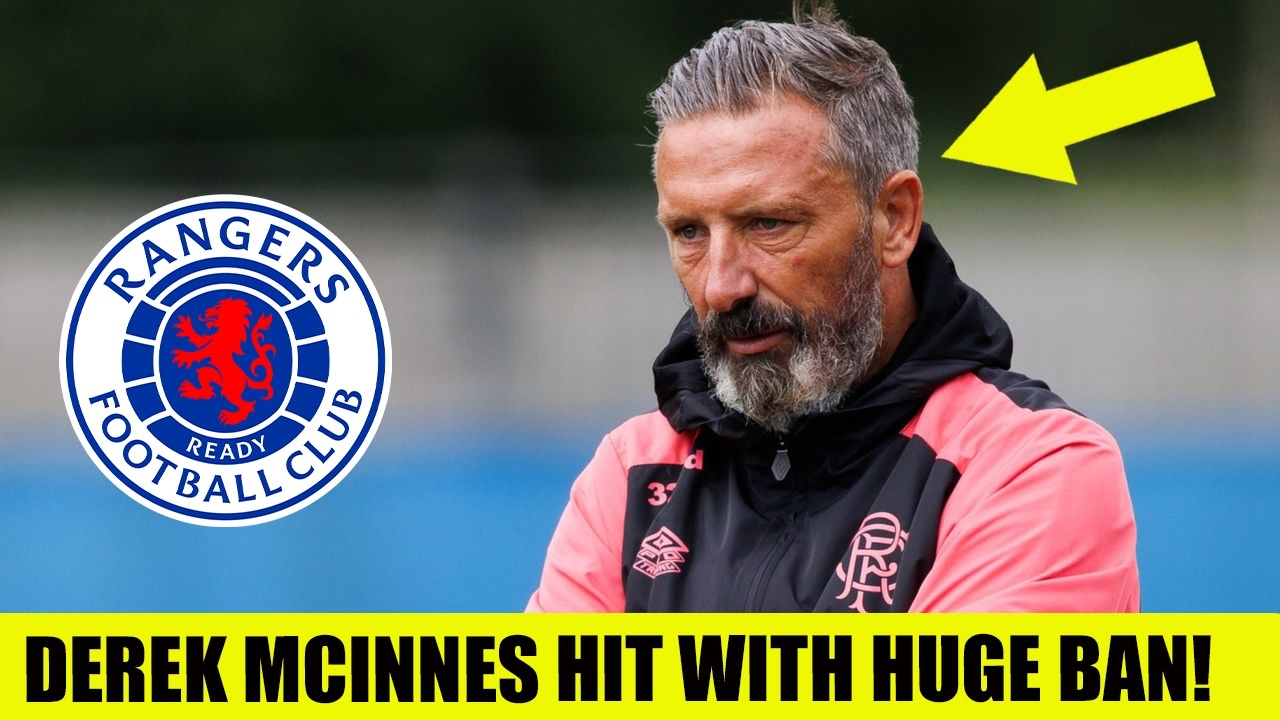
This latest meeting continues a pattern established over the preceding months. At an earlier session held at Ibrox, Chief Executive Jim Gillespie used the opportunity to update the FAB on his internal review of the club’s operations, discussing the club’s new leadership structure and the broader push to make Rangers a more focused, effective organization from top to bottom. That same meeting saw detailed discussion of Derek McInnes’s appointment as head coach, the club’s plans for shaping the men’s first-team squad, and its overall philosophy toward recruitment — with the club specifically citing leadership qualities, character, mentality, and a genuine understanding of Scottish football’s particular demands as the key criteria that shaped that appointment process.
That earlier meeting wasn’t limited to football matters. Connal Cochrane, representing the Rangers Charity Foundation, joined proceedings to walk the board through the Foundation’s current work and its plans for the years ahead, prompting what was described as a positive discussion about how the FAB and the wider supporter base could help promote the Foundation’s fundraising efforts and expand access to Ibrox matchdays for schools and community groups. That conversation was significant enough to prompt a dedicated follow-up meeting focused specifically on developing those charitable initiatives in more detail — evidence that these sessions aren’t purely symbolic, but can generate concrete follow-up action.
Supporters’ concerns about the club’s kit arrangements were also aired directly at that earlier meeting, with feedback covering the design, quality, pricing, sizing, and stock availability of merchandise produced by manufacturer Castore under the Umbro license. The club confirmed those concerns had been formally passed along to the supplier — a small but telling example of the FAB functioning as a genuine conduit for supporter frustration on practical, everyday matters, not just high-level football
The FAB’s role becomes especially visible, and especially consequential, during periods of genuine crisis at the club — and Rangers’ recent history offers a clear, instructive example. During Russell Martin’s turbulent spell as head coach, with Rangers enduring their worst start to a league season in 47 years, the Fan Advisory Board convened what was described publicly as a “full and frank discussion,” lasting more than two hours, with then-Chief Executive Patrick Stewart, Sporting Director Kevin Thelwell, and other senior club officials.
The board’s own statement afterward left little ambiguity about the tone of that meeting. They said they had “reiterated the fans’ collective strength of feeling on the performance of the manager, as well as other issues relating to the men’s first team that continue to cause great concern to the Rangers support,” adding that “nothing was left off the table” and expressing appreciation that the club had dedicated the full agenda to football matters specifically, given the scale of concern at the time. Reporting on that meeting described the board as having “forcibly challenged” the club’s continued backing of Martin, at a moment when Rangers sat tenth in the Premiership, nine points behind Celtic and Hearts, and organized supporter protest groups — including the Union Bears — were actively planning demonstrations outside Ibrox.
That episode is instructive precisely because it shows the FAB operating at its most consequential: not simply receiving updates from the club in a passive, ceremonial capacity, but actively pushing back on specific football decisions and demanding accountability from senior leadership, with the resulting statement made public for supporters to read in full. It’s a template that illustrates the board’s capacity to function as genuine pressure valve during moments of crisis, channeling collective supporter frustration into a structured, direct conversation with decision-makers rather than leaving it to disperse across social media, phone-in radio, and matchday protest alone
Set against that history, the current moment at Ibrox carries its own obvious tensions, even if this particular meeting’s published summary centres on strategic and operational matters rather than a direct reckoning over team performance. Rangers have endured a difficult start to the current season under McInnes, McInnes’s own record standing at just two wins from his first seven matches in charge. The club suffered a chastening Conference League exit to Czech side Jablonec, a result multiple former players and pundits have since described in the harshest possible terms — with one prominent former player placing it alongside the club’s most infamous European humiliations, including the 2017 loss to Progres Niederkorn. External pressure has mounted rapidly since, with fan sentiment on display across various supporter channels growing increasingly hostile toward both the manager and those responsible for summer recruitment.
Given that backdrop, the fact that this particular FAB meeting’s published agenda focuses on infrastructure, ticketing, engagement strategy, and AGM preparation — rather than a direct confrontation over football results, in the mould of the Martin-era meeting — is itself worth noting. It may simply reflect the specific scheduling and agenda-setting process behind this particular session, unconnected to the immediate football crisis. Or it may suggest the club and the FAB are, for now, treating footballing performance as a matter still unfolding in real time, with a more direct reckoning — should one become necessary — reserved for a dedicated future session, much as happened during the Martin era once frustration had built to a genuinely critical mass.
It’s also worth situating the FAB’s work within Rangers’ wider ownership and governance picture. The club has, in recent years, operated under American ownership via 49ers Enterprises, with Andrew Cavenagh serving as chairman and driving what’s been, by most accounts, an unusually active and interventionist approach to squad recruitment and managerial appointments compared to previous eras of the club’s history. That ownership model — private equity-influenced, data-driven, and willing to move decisively on managerial changes, as demonstrated by Martin’s dismissal and the subsequent, relatively brief tenure of Danny Rohl before his own departure to Red Bull Salzburg — creates a particular dynamic for supporter engagement mechanisms like the FAB to operate within.
On one hand, an ownership group willing to make bold, rapid decisions on football matters might be expected to value structured supporter feedback as one input among many in that decision-making process, particularly given how visibly and vocally frustrated the fanbase has become during previous periods of underperformance. On the other, the sheer pace of change at the club — three different managerial situations inside little more than a calendar year, a dozen new first-team signings in a single summer window, ongoing stadium redevelopment work — creates a genuinely challenging environment for any advisory body to keep pace with, let alone meaningfully influence, particularly on the specific football decisions that tend to generate the most intense supporter feeling.
There’s also the matter of Club 1872, the supporter shareholder organization that has existed in various forms since 2003, originally formed through the merger of the Rangers First and Rangers Supporters Trust “Buy Rangers” initiatives. While structurally distinct from the Fan Advisory Board, Club 1872’s long history of supporter shareholder activism — including a significant 2008 split within the organization’s leadership over dissatisfaction with the pace and substance of engagement from the club’s then-ownership under Sir David Murray — provides useful historical context for understanding just how long Rangers supporters have been organizing formal structures to seek genuine influence over how their club is run, and how variable the club’s own responsiveness to those structures has been across different ownership eras.
For now, the practical outcome of this latest FAB meeting is a set of ongoing commitments — continued dialogue on the Copland Stand redevelopment, further work on ticketing operations and European away-fixture support, progress toward the upcoming AGM, and Interim Chairman Gilligan’s stated intention to keep providing regular updates to supporter representatives. Whether that translates into meaningful, visible change for supporters in the way the Castore feedback loop or the Charity Foundation follow-up meeting did in earlier sessions remains to be seen.
What’s clearer is the broader function these meetings continue to serve within Rangers’ current structure: a formal, recurring checkpoint where supporter concerns — whether about kit quality, stadium redevelopment, or, when circumstances demand it, the performance of the manager and the recruitment strategy behind him — can be raised directly with the people making decisions at Ibrox. Given the mounting external pressure currently surrounding Derek McInnes following the Jablonec exit, and the pattern established during the Martin era of the FAB stepping into a more assertive, confrontational role once fan frustration reaches a critical threshold, it seems reasonably likely that football matters specifically will feature far more prominently in whatever meeting between the board and club leadership comes next — whether that’s a regularly scheduled follow-up, or, should results continue to disappoint and pressure continue to build, a more urgently convened session in the mould of the “full and frank” conversation supporters demanded and received during Rangers’ darkest days under Martin just a year earlier.