The Scottish football world has been thrown into fresh drama again, and this time it is not just one story, but several stories crashing

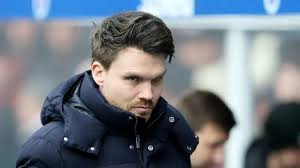
The Scottish football world has been thrown into fresh drama again, and this time it is not just one story, but several stories crashing into each other at the same time. At the centre of it all is Rangers, Hearts captain Lawrence Shankland, Celtic’s internal uncertainty, and a wave of transfer and managerial noise that is building pressure across the entire Scottish Premiership.
It feels like one of those moments in Scottish football where everything suddenly speeds up. Clubs are not waiting for the season to cool down. They are already planning, already negotiating, already fighting behind the scenes for control of the next campaign. And the name causing the biggest shock right now is Lawrence Shankland.
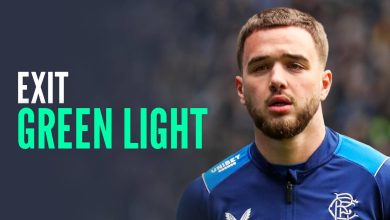
Shankland, 30 years old, captain of Heart of Midlothian and a key forward for Scotland, has now been strongly linked with a move to Rangers. This is not just normal gossip anymore. Reports suggest that serious talks are already happening, and some sources believe a deal could move very quickly.
For Rangers fans, this is the kind of rumour that immediately grabs attention. Shankland is not just another striker in the league. He is a proven goal scorer, a leader, and a player who has carried Hearts through difficult moments. The idea of him wearing the blue shirt of Rangers is already creating excitement and debate in equal measure.
Inside the reports, there is a strong feeling that discussions have reached an advanced stage. Some believe the move is being pushed forward quickly because of timing. Scotland’s national team setup is also involved, with Shankland expected to join the national squad for World Cup preparations. That adds pressure to get any club decision done fast, before international duty begins.
This urgency is important. When players are about to join national camps, clubs often try to settle situations early so everything is clear. Rangers are believed to be pushing exactly in that direction, wanting a resolution as soon as possible. There is even talk that a deal could be completed within days rather than weeks if everything falls into place.
For Hearts, this situation is complicated. Losing a captain is never simple, especially one who also carries a major goal threat. Shankland has been central to their attacking identity. He is not just a striker who finishes chances; he is the emotional leader of the team. Fans at Tynecastle will not want to see him leave easily, and any negotiation with Rangers would naturally be emotional and sensitive.
But football in Scotland is rarely straightforward. When a club like Rangers shows interest, the entire structure of negotiations changes. The financial power, the history, and the opportunity to compete for titles all become part of the discussion. For a player like Shankland, this is the type of move that can define the final stage of his career.
At 30, he is at a key moment. This is often the age when strikers start thinking carefully about one final big challenge. Playing for Rangers would mean competing regularly for league titles, European football, and intense Old Firm rivalry matches. For some players, that is too big an opportunity to ignore.
However, Hearts supporters will argue something very different. They will say Shankland is already the leader of their project, the main man, and a player who is respected and loved at the club. Losing him to a direct rival in the same league would feel like a major setback.
That tension is exactly why this story has exploded so quickly.
Reports from different outlets are all pointing in the same direction. One suggests advanced talks. Another says a deal could be completed soon. Another says Rangers want it wrapped up quickly. When multiple sources start aligning like that, even if nothing is officially confirmed, the noise becomes too loud to ignore.
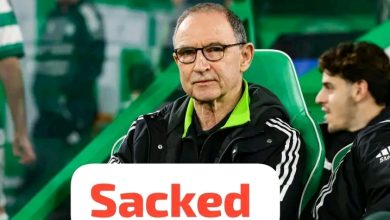
At the same time, there is another major storyline unfolding in the background involving Celtic and their leadership situation. Former manager Martin O’Neill, who once led Celtic to major success, has once again been mentioned in discussions around the club’s structure and future direction.
O’Neill, now 74, has reportedly said he expects to meet Celtic’s major shareholder Dermot Desmond in the near future. That alone has triggered speculation. Whenever O’Neill speaks, people in Scottish football listen carefully, because he remains a respected figure in the game.
He has also suggested that he “must be in consideration” when discussions about the manager’s position take place. That phrase has caused debate among fans. It does not confirm anything, but it hints that behind the scenes, Celtic are still thinking about leadership and long-term planning.
The situation at Celtic FC has not fully settled yet, and that uncertainty adds another layer to the wider Scottish football picture. When Celtic are not fully stable in terms of long-term planning, it creates space for rivals like Rangers to move aggressively in the transfer market.
So while Rangers are pushing for Shankland, Celtic are dealing with their own internal conversations. It is almost like both giants are moving pieces on a chessboard at the same time, waiting to see who makes the stronger next move.
Adding to Celtic’s news, there is also an update on defender Kieran Tierney. Reports suggest he is “fine” after coming off during a recent Scottish Cup final win over Dunfermline Athletic. That is a relief for fans, as any injury concern around a key defender always creates tension, especially at the end of a season.
Celtic’s cup final victory itself already had talking points, but fitness updates like this help calm fears as attention shifts toward next season planning. Tierney’s situation, while not serious according to reports, is still part of the wider narrative of a club managing both success and uncertainty at the same time.
Meanwhile, on the other side of the cup final story, Dunfermline Athletic also produced a moment of hope despite defeat. Their young player Josh Cooper, 23, scored the consolation goal in their 3–1 loss, and afterwards described it as “just the start” of his career.
That kind of moment is important in football. Even in defeat, young players often use big matches as stepping stones. Scoring in a national cup final, even in a losing effort, can become a turning point in a player’s confidence and future development. Cooper’s words suggest he sees this as only the beginning, not the peak.
But despite these individual stories, the biggest headline remains Rangers and Shankland. The potential transfer is not just about adding a striker. It is about what Rangers are trying to build next.
Rangers have been in a period where they are constantly trying to close the gap on Celtic in the Scottish Premiership title race. Every signing becomes a statement. Every major transfer target becomes a signal of intent. And a player like Shankland fits that idea perfectly.
He is proven in Scotland. He understands the league. He does not need time to adapt. That is very important for a club that expects immediate results. Rangers are not just signing for the future; they are signing for impact right now.
This is why the interest is so strong.
But football deals are never simple. Even when talks are advanced, there are always final details, agreements on fees, personal terms, contract length, bonuses, and timing. Any one of these elements can slow things down or even change the direction completely.
Hearts will also have their own valuation. They know Shankland’s importance. They know his goals cannot easily be replaced. And they know that selling to a rival always increases the emotional and sporting pressure.
At the same time, the player himself will have to make a decision. It is not just about money or clubs. It is about role, ambition, family considerations, and timing in his career. At 30, he is experienced enough to know that opportunities like this do not always come twice.
That is why this situation feels so intense.
Across Scottish football, fans are reacting strongly. Rangers fans are already imagining Shankland leading the attack at Ibrox, scoring in big matches, and helping challenge for the title. Hearts fans are hoping their captain stays and continues building something special at Tynecastle.
Celtic fans, meanwhile, are watching the situation carefully, knowing that any major move by Rangers could affect the balance of power next season. Even though Celtic are not directly involved in the Shankland deal, every major Rangers signing indirectly affects them in the title race.
This is the reality of Scottish football. Everything is connected. One transfer rumour can influence multiple clubs at once. One negotiation can shift expectations for an entire season.
As things stand, nothing is officially confirmed. But the direction of travel is clear. Talks are happening. Interest is serious. Timing is sensitive. And multiple reports suggest movement could come quickly.
Whether that leads to a completed transfer or a last-minute twist remains to be seen. Football often changes in a single meeting, a single phone call, or a single disagreement over terms.
But one thing is certain: this story is not slowing down.
The Shankland situation will continue to dominate headlines in Scotland, while Celtic’s internal discussions and injury updates add more layers to an already busy football landscape. Rangers are pushing forward, Hearts are preparing for difficult decisions, and fans across the country are waiting for the next update.
In Scottish football, moments like this define summers. And right now, the summer is only just beginning.