Tottenham wonderkid Mikey Moore set to sign contract extension before sealing loan move to Rangers

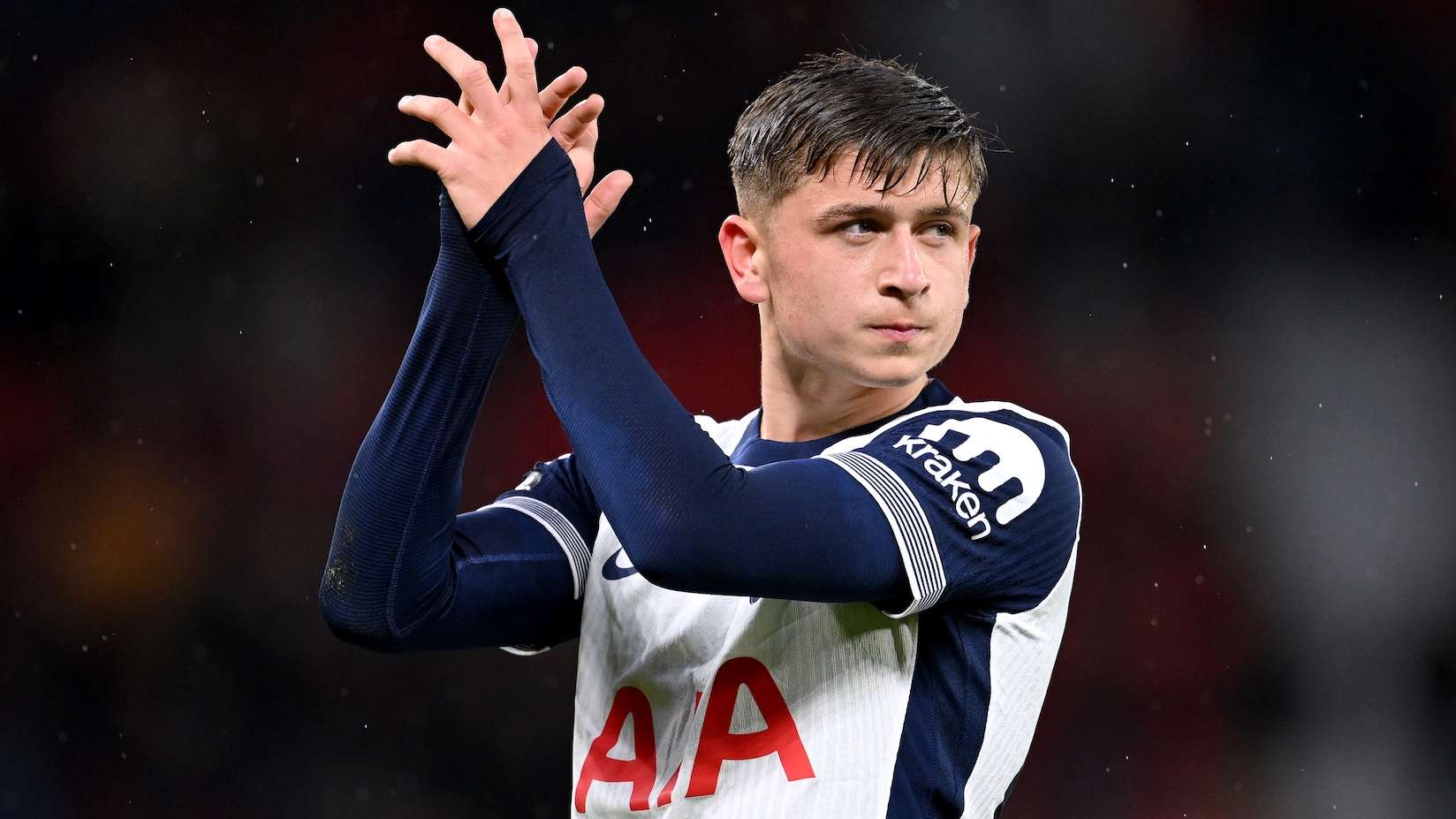
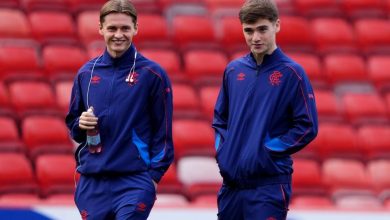
Tottenham Hotspur starlet Mikey Moore was on the verge of completing a season-long loan move to Rangers, with the north London club first tying the 17-year-old down to a new and improved contract before allowing him to head north to Glasgow in search of regular first-team football. The move represented one of the most eye-catching pieces of transfer business conducted by Rangers during the summer of 2025, bringing one of the Premier League’s most exciting academy graduates to Ibrox for what would go on to become a hugely significant year in his development.
Tottenham’s willingness to sanction the move reflected a familiar balancing act clubs face when it comes to managing highly rated young talent. Moore was already regarded as one of the most gifted prospects to emerge from Spurs’ academy in years, but with regular first-team football difficult to guarantee in north London, the club’s hierarchy concluded that a loan spell would offer him the best chance of accumulating valuable senior minutes ahead of a push for a regular place in Thomas Frank’s starting eleven further down the line.
That reluctance to lose him even temporarily spoke to just how highly Moore was already rated within the game. Rangers found themselves competing not only with a cluster of Championship clubs but also with interest from German giants Borussia Dortmund, underlining the scale of the recruitment battle involved in securing his signature. Ultimately, it was Moore’s own preference that proved decisive, with the teenager said to be keen on linking up with then-Rangers head coach Russell Martin, whose reputation as a coach with a clear, progressive footballing philosophy appears to have played a significant role in persuading the youngster that Ibrox represented the right environment for his continued development.
Before completing the move north of the border, Tottenham moved to protect their long-term interest in the player by tying him down to a new contract. Moore’s existing deal had been due to run until 2027, but with the player turning 18 in August, the north London club opted to reward his rapid progress with a significant improvement in terms, ensuring that his long-term future remained firmly tied to Spurs even as he prepared to spend the upcoming season developing his game away from the club.
That contract situation was formally confirmed on the day of Moore’s 18th birthday, with Tottenham announcing that the winger had signed what was described as a new long-term contract, cementing his status as one of the most prized assets to have emerged from the club’s academy system in recent years. The timing of the announcement, falling on his birthday and shortly after his loan move had been finalised, underlined the deliberate sequencing behind the deal: securing his long-term future in north London first, before allowing him the freedom to go and prove himself in senior men’s football at Ibrox.
Moore’s rise through the ranks at Tottenham had already been rapid and richly decorated by the time his loan move was finalised. Having progressed through the club’s academy system since joining at the age of seven, he made his senior debut against Manchester City, becoming the youngest player in Tottenham’s history to feature in the Premier League at just 16 years and 277 days old. His European bow followed soon after in a comprehensive win over Qarabag in the Europa League, and he continued to break records throughout the following season, becoming the youngest Spurs player to start a league match since 1993 when handed a starting role against Crystal Palace.
Perhaps his most eye-catching individual milestone, however, came in a Europa League group-stage victory over Elfsborg, when Moore scored his first senior goal for the club with the very last kick of the game. That strike made him England’s youngest-ever goalscorer in a major European competition, breaking a record set by Tottenham legend Jimmy Greaves that had stood for 68 years. Moore would go on to play a bit-part role in Tottenham’s run to Europa League glory that season, an achievement that ended a 17-year wait for major silverware at the club, even featuring as an unused substitute in the final itself
With his long-term future at Tottenham secured, Moore’s move to Rangers was confirmed as a season-long loan deal, subject to international clearance, that did not include either an option or an obligation for the Scottish club to sign him permanently at a later date. The deal made him the eighth summer signing of Russell Martin’s tenure as new Rangers head coach, joining a rebuilding squad that also included loan additions Nasser Djiga and Max Aarons, alongside permanent transfers Lyall Cameron, Emmanuel Fernandez, Joe Rothwell, Thelo Aasgaard and Djeidi Gassama.
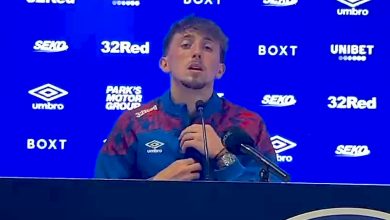
Speaking after putting pen to paper on the move, Moore expressed genuine excitement at the opportunity in front of him. He explained that as soon as he became aware of Rangers’ interest and their desire to bring him to Ibrox, he recognised it as a huge opportunity, adding that he was eager to prove to supporters exactly what he was capable of at his new club. Rangers’ then sporting director Kevin Thelwell was similarly effusive in his praise for the winger, describing the level of competing interest from elsewhere as no secret, and pointing to Moore’s temperament and the immediate impact he had already made at senior level with Tottenham as evidence that he possessed the tools to succeed in a demanding new environment. Thelwell expressed confidence that Moore would enhance Rangers’ attacking unit, framing the move to Ibrox as offering the platform needed to help fulfil his obvious potential.
Moore’s decision to head to Scotland for the season also placed him in good company, with observers at the time drawing comparisons to Manchester United winger Amad Diallo, who similarly used a loan spell at Rangers earlier in his own career as a springboard toward regular first-team football back in England. With Rangers also likely to offer European football across the campaign, the move was widely viewed as an ideal environment for a young talent of Moore’s calibre to continue developing, combining regular senior football with the kind of high-pressure, high-intensity matches that would help prepare him for a long-term career at the highest level.
As it turned out, Moore’s year in Glasgow proved to be an outstanding success, both for the player individually and for Rangers as a club. Across all competitions, he went on to make 47 appearances during the 2025-26 campaign, scoring seven goals, including a strike in the fixture that matters most to Rangers supporters, the Old Firm derby against Celtic. His performances throughout the season were recognised at the highest level domestically, with Moore being named the Scottish Premiership’s Young Player of the Season, a fitting reward for a campaign that saw him establish himself as one of the most important attacking players in Martin’s Rangers side.
That standout campaign inevitably raised fresh questions about his long-term path back at Tottenham, with former Scotland international Andy Gray weighing in on the debate over whether Moore should return to Spurs for the following season or remain at Ibrox for further development. Gray pointed to the uncertainty created by Tottenham’s own struggles that season, including the possibility of relegation, as a significant factor in determining Moore’s next step, suggesting that whichever manager was in charge in north London would play a decisive role in shaping the decision. He reasoned that a new head coach might see value in allowing Moore to continue his progress in Scotland for a further year rather than bringing him back to a first-team environment where regular minutes might not be guaranteed, arguing that returning him to north London simply to sit on the bench would represent a wasted opportunity for his development.
That speculation ultimately proved well founded. As the following transfer window approached, reports indicated that Tottenham, under new head coach Roberto De Zerbi, had sanctioned a further loan departure for Moore, with Rangers once again positioned as the frontrunners to secure his signature for a second consecutive season. According to reporting at the time, De Zerbi rated the youngster highly but felt he was not yet ready for regular Premier League football, preferring to see him continue accumulating senior minutes elsewhere before making a final decision on his long-term involvement in the first-team picture at Tottenham.
Crucially, Spurs made clear that a permanent sale was not something they were prepared to consider, wanting to retain full control over a player who by that point was tied to the club until 2030. For Moore, the priority remained simple: regular senior football rather than fighting for occasional substitute appearances back in the Premier League. A return to Rangers offered exactly the kind of continuity that had served his development so well during his breakout campaign, allowing him to build on the goals, assists and physical and tactical adaptation he had already achieved during his first spell north of the border.
Looking back across the full arc of the story, from the initial contract extension designed to protect Tottenham’s long-term investment, through to a breakout individual campaign at Ibrox and a subsequent second loan move, Moore’s situation stands as something of a modern template for how a top Premier League academy graduate can be carefully nurtured through a spell in senior football elsewhere without compromising his long-term value to his parent club. For Rangers, meanwhile, the ability to attract and retain a player of Moore’s calibre, first fending off interest from Dortmund and a host of Championship sides, and later winning the race for a second consecutive loan spell against presumably similar competition, reflects well on the club’s growing reputation as an attractive destination for elite young English talent looking to accelerate their development in a demanding, high-profile footballing environment.
For Moore himself, the story is far from finished. With his long-term future still firmly tied to Tottenham until the turn of the decade, and with a track record now firmly established of thriving in the unique pressures of Scottish football, including delivering when it matters most in the fixtures that carry the greatest weight, his path back to regular first-team football in the Premier League remains a live and closely watched subplot, one that will likely be shaped as much by managerial decisions in north London as by anything he continues to produce on the pitch at Ibrox.