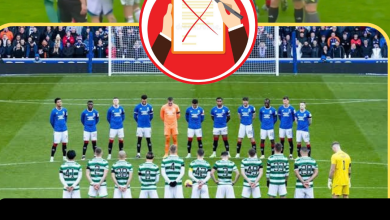
Sean Dyche is not a fan of Pep Guardiola’s plan to weigh Man City players after their Christmas break. Should elite footballers be allowed to indulge during the festive period despite the busy run of games?

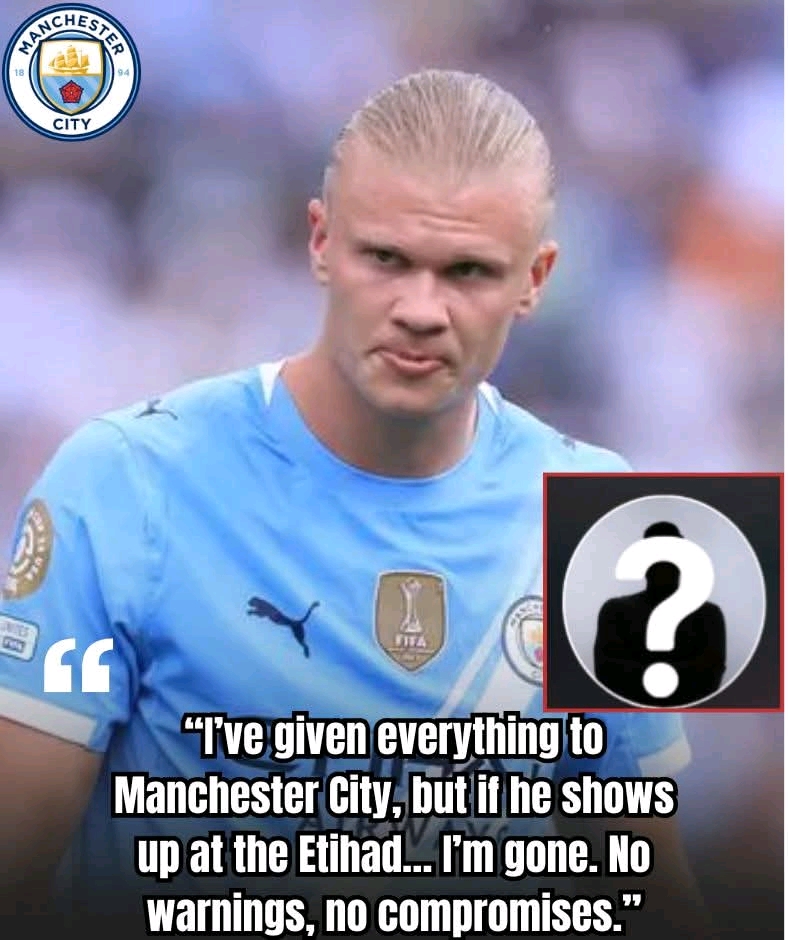
Manchester City woke up to chaos on a cold November morning, and nobody inside the club was prepared for what was about to explode into the public space. What started as quiet whispers behind closed doors quickly turned into a full-blown storm that shook the Etihad Stadium, rattled the Premier League, and sent shockwaves across world football. At the center of it all stood one man, tall, calm, usually focused only on goals and trophies. Erling Haaland, Manchester City’s unstoppable goal machine, the symbol of their modern dominance, had drawn a line in the sand. And his message was as brutal as it was simple. If one specific person joins Manchester City, he will leave. No negotiations. No second chances. No apologies.
Those close to the club say the words were delivered without anger, without shouting, and without drama. That made them even more frightening. Haaland, known for his discipline, professionalism, and laser focus on football, does not make emotional threats. He does not play games with the media. When he speaks, people listen. So when this ultimatum reached the highest levels of Manchester City’s hierarchy, panic followed almost instantly.
Inside the Etihad, the atmosphere changed overnight. Training sessions became tense. Conversations stopped when certain people walked into rooms. Staff members whispered in corridors. Phones rang endlessly. Emergency meetings were called. Pep Guardiola and his coaching staff were forced to pause their usual routines and focus on one terrifying possibility: losing the most lethal striker in world football, not because of money, not because of trophies, but because of one single decision they had not even officially announced yet.
The most explosive part of the story was not the ultimatum itself, but the mystery behind it. Haaland never mentioned a name publicly. He simply referred to the person as “he.” That single word was enough to ignite the imagination of fans, pundits, journalists, and rival clubs. Social media platforms went into meltdown within minutes. Every possible theory was discussed. Every rumor was recycled. Every old story involving Haaland was dragged back into the spotlight.
Some fans believed it could be a player Haaland had clashed with in the past, either on the pitch or behind the scenes. Others suggested it might be someone whose style, attitude, or influence could damage the harmony inside the dressing room. A few went even further, claiming it could involve power struggles, ego battles, or deep personal disagreements that had been hidden from the public for years. The truth, at least for now, remains locked away inside the walls of Manchester City.
What made the situation even more dramatic was Haaland’s reputation. Since arriving at City, he has been everything a club could want. Goals flowed effortlessly. Records fell one after another. Defenders feared him. Goalkeepers dreaded him. Fans adored him. He never complained about rotation. He never attacked teammates. He never questioned Guardiola’s methods. His body language always suggested happiness and commitment. That is why this ultimatum felt like a thunderbolt from a clear sk
People inside the club insist this was not a tantrum. It was not a power move for a new contract. It was not pressure for more money or special treatment. According to sources, Haaland made it clear that this issue went beyond football tactics or squad depth. It was about principles. It was about respect. It was about a future he did not want to be part of if certain lines were crossed.
As news spread, rival clubs began to watch closely. For teams like Real Madrid, Paris Saint-Germain, and Bayern Munich, this was not just gossip. This was opportunity. Losing Haaland would be catastrophic for City, but a dream scenario for others. Scouts, executives, and agents quietly started making calculations. If City hesitated, if they chose wrong, if Haaland felt ignored, the biggest transfer battle in football history could explode without warning.
Fans were left confused and divided. Some stood firmly behind Haaland, arguing that a player of his importance deserves to be protected at all costs. Others worried about the message this sends to the squad. Is it healthy for one player to influence recruitment decisions? Does this undermine Guardiola’s authority? Does it weaken the club’s long-term vision? These questions filled phone-in shows, comment sections, and pub debates across England and beyond.
Pep Guardiola found himself in one of the most difficult positions of his career. Known for his control, his planning, and his obsession with harmony, Guardiola understands better than anyone how fragile success can be. He has always spoken about dressing room chemistry as the foundation of greatness. One wrong personality, one bad fit, can destroy years of careful building. Now he must decide whether Haaland’s warning confirms his own fears or challenges his authority.
Behind the scenes, Manchester City’s board faced an impossible dilemma. On one side stands Haaland, a generational talent, a commercial goldmine, and the spearhead of their sporting project. On the other side stands a potential signing or appointment that could shape the club’s future in a different way. Choosing Haaland may mean abandoning long-term plans. Ignoring him could mean losing the heart of the team.
The timing could not be worse. Manchester City are not just fighting for trophies. They are fighting for stability, image, and dominance in an era where every mistake is amplified. Losing Haaland would send a message to the world that even the most powerful clubs are vulnerable. It would invite chaos. It would embolden rivals. It would turn every City match into a media circus.
As days passed, the silence from the club only made things louder. No official statements. No denials. No confirmations. That silence spoke volumes. It suggested that the threat was real, that the discussions were serious, and that the decision ahead could change everything.
Former players began to speak cautiously. Some hinted that football history is full of moments where clubs ignored warnings from star players and paid the price. Others warned against letting any individual become bigger than the institution. Pundits replayed old clips, searching for hidden clues in past interviews, body language, and comments. Every smile, every handshake, every substitution was reinterpreted through the lens of crisis.
Haaland himself remained quiet. He trained. He scored. He celebrated goals with his usual calm intensity. That calmness unsettled people even more. It suggested confidence. It suggested that he was ready to follow through on his words. It suggested that this was not a bluff.
For the fans inside the Etihad, every cheer now carries anxiety. Every goal is celebrated with joy and fear. How many more times will they see him in sky blue? Is this the beginning of the end, or just a storm that will pass?
One thing is clear. This is not just a transfer rumor. This is not just another headline. This is a defining moment for Manchester City. The choices made now will echo for years. They will shape careers, legacies, and histories. They will decide whether City continue their reign or enter a period of uncertainty.
Football has always been a game of moments, but some moments are bigger than matches. This is one of them. Erling Haaland has spoken without speaking. He has forced the club to look into the mirror and decide what it values most. Power or harmony. Control or trust. Future plans or present reality.
As the Premier League watches, as Europe listens, and as fans hold their breath, Manchester City stand at a crossroads. One path keeps their goal-scoring monster happy and committed. The other risks unleashing a chain reaction that could tear apart the most feared team in England.
For now, the mystery remains. The identity of “he” is still hidden. But the impact of those four words is already clear. Manchester City are in crisis, whether they admit it or not. And until a decision is made, every passing day feels like walking on a tightrope, with the fate of a football giant hanging in the balance.