Arne Slot praised the Manchester City player, saying: “We only lost because of him, not all of City ⚡. Guardiola must be thrilled to have such a talented player 😍. If I had him at Liverpool, we’d be winning the league

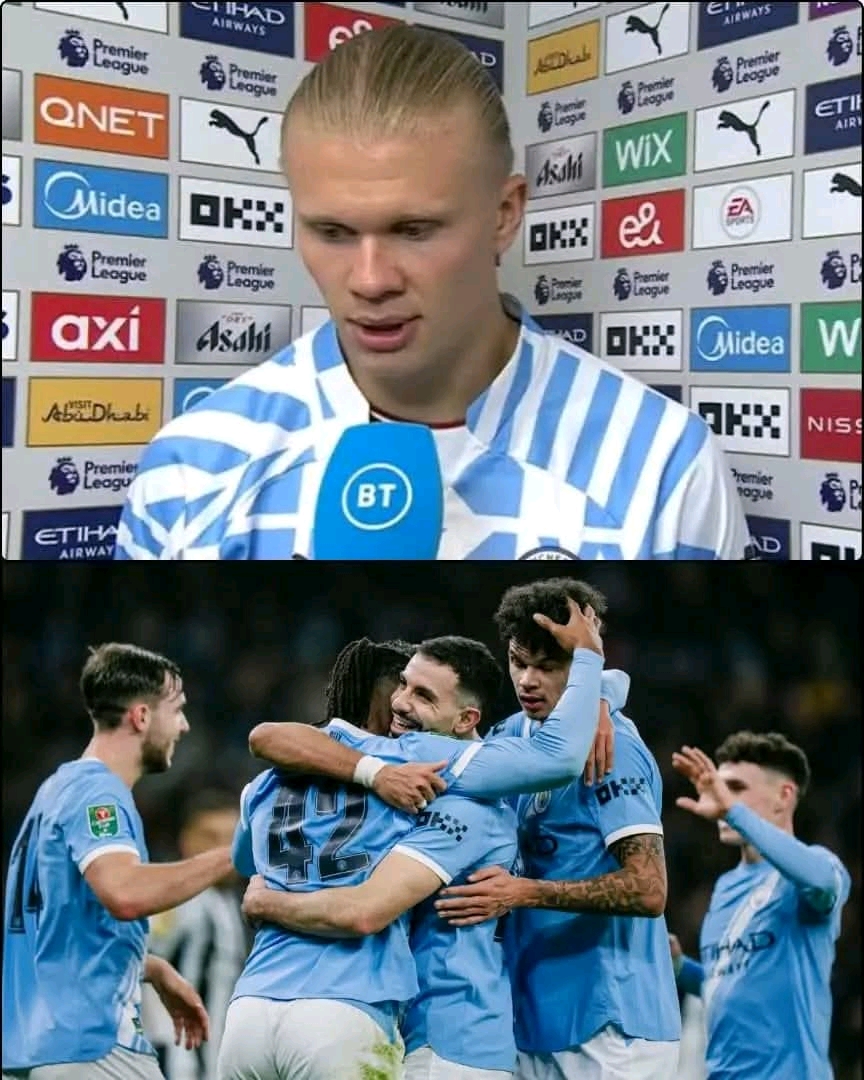
Anfield was shaking long before the final whistle, but what happened in the dying seconds of that game between Liverpool and Manchester City will be talked about for years. It was not just about three points. It was not just about pride. It was about controversy, anger, heartbreak, and one furious reaction from Erling Haaland that sent shockwaves across English football.
From the first minute, the tension inside Anfield was heavy. Liverpool fans knew how important the match was. Manchester City knew it too. Every touch of the ball was greeted with noise. Every tackle felt personal. This was not just another Premier League match. This was war at the top of the table.
City started with control. Calm passes. Sharp movement. Quick transitions. Liverpool pressed high, trying to force mistakes. The home crowd roared every time a red shirt chased down a blue one. But City looked composed. They moved the ball with patience. They waited for their moment.
That moment came when City broke through Liverpool’s defensive line with quick passing. The finish was clinical. Anfield went silent for a second. Just a second. Then the noise returned, louder and more desperate than before. Liverpool were behind, and they knew they could not afford to lose.
But Liverpool are never easy to beat at Anfield. That stadium has seen miracles. It has seen comebacks that looked impossible. And soon, belief started to grow again.
Dominik Szoboszlai stepped up for a free kick. The angle was not simple. The pressure was huge. But he struck the ball beautifully. It flew over the wall and into the net. The goalkeeper had no chance. The stadium exploded. Fans jumped, screamed, and hugged strangers. Liverpool were back in the game.
Now it was 1–1, and everything changed. The match became faster. Harder. More aggressive. Tackles flew in. Players argued with the referee. Managers shouted from the sidelines. The game had turned into chaos.
Manchester City did not panic. They have been here before. They have fought battles under pressure. Slowly, they regained control. They pushed Liverpool back. They created chances. Then they found another goal. A sharp move. A quick finish. 2–1 to City.
Anfield was stunned again.
Liverpool threw everything forward. They attacked from the wings. They crossed the ball again and again. City defended with discipline. The clock ticked into stoppage time.
Then came the moment that nobody will forget.
Liverpool won a corner. The crowd begged for one last chance. And in a move that showed pure desperation, Alisson Becker ran from his goal to join the attack. The goalkeeper was now in the City penalty area. That image alone showed how much Liverpool needed something.
The corner was delivered. The ball bounced. Bodies collided. But City cleared it.
Suddenly Liverpool were exposed. Their goal was empty.
The ball fell to Rayan Cherki near the halfway line. He looked up. He saw nothing but open grass and an empty net in the distance. Time seemed to slow down.
He took his shot.
It was not powerful. It did not need to be. The ball rolled forward, slowly, almost gently. But everyone knew what it meant.
Liverpool players tried to chase back. Fans held their breath. The ball kept rolling.
Then it crossed the line.
Manchester City players ran to celebrate. The bench exploded. Pep Guardiola jumped in the air. It was 3–1. Game over. Or so they thought.
But then came the pause.
The referee put his finger to his ear. VAR was checking something. Nobody understood what was happening. The celebrations slowed. The crowd grew restless. Screens around the stadium showed replays.
Offside.
Somehow, somewhere in the build-up, VAR believed there was an offside position. The goal was ruled out.
Anfield erupted again, this time in relief. City players were furious. They surrounded the referee. Pep Guardiola shouted in disbelief.
And then came Erling Haaland’s reaction.
Standing near the centre circle, Haaland looked stunned. He shook his head. He clapped sarcastically. Cameras zoomed in on his face. During the live broadcast, microphones picked up his angry words directed at the officials and the PGMOL.
He did not hide his feelings. He openly criticised the decision. He questioned how such a goal could be ruled out in such a crucial moment. His frustration was clear for the world to see.
For Haaland, it was not just about that goal. It was about what he felt was a pattern. He believed City were being treated unfairly. He believed VAR was interfering too much in the game.
Back on the pitch, the drama was not finished.
Liverpool tried one final attack. Tempers were rising. A hard challenge near the touchline sparked pushing and shouting between players. The referee rushed in. After consulting with VAR again, he pulled out a red card for a Liverpool defender.
The stadium went from relief to outrage in seconds.
Liverpool would now be without a key player for upcoming matches. The decision added more controversy to an already chaotic night.
When the final whistle blew, nobody felt calm. City players were still angry about the disallowed goal. Liverpool players were angry about the red card. Fans argued in the stands. Social media exploded within minutes.
Clips of Haaland’s comments spread quickly online. Pundits debated whether he had crossed a line by criticising officials so directly. Some agreed with him. Others said players must respect referees no matter what.
In the post-match interviews, Pep Guardiola tried to stay diplomatic. He said he trusted the officials but admitted he did not understand the decision. Liverpool’s manager defended his team and said the red card was harsh.
But the real focus remained on that final moment. The empty net. The slow rolling ball. The celebration. The VAR check. The cancellation.
For many fans, it was a perfect example of modern football’s biggest debate. Has VAR improved the game, or has it taken away the raw emotion?
If Cherki’s goal had stood, City would have walked away with a clear victory and a powerful statement. Instead, the night ended with questions.
Haaland later posted a short message online that many interpreted as another dig at the officials. He did not mention names. He did not mention the decision directly. But his frustration was clear.
Some former players supported him. They said footballers are human. They feel injustice strongly in big moments. Others warned that attacking referees publicly could lead to punishment.
The PGMOL did not release a long explanation immediately, which only added fuel to the fire. Fans demanded clarity. Analysts broke down freeze-frame images again and again.
Was there truly an offside? Was the decision technically correct but emotionally wrong? Did VAR apply the rules too strictly?
Liverpool fans argued that rules are rules. If it is offside, it is offside. City fans argued that the margin was too small and that such decisions damage the spirit of the game.
Beyond the controversy, the match showed something else: how fine the margins are at the highest level.
Liverpool fought with heart. They showed belief. Szoboszlai’s free kick reminded everyone of their quality. Even in defeat, they proved they can challenge anyone.
City showed resilience. They handled pressure in one of the hardest stadiums in Europe. They created chances. They thought they had sealed it in dramatic fashion.
And then football reminded everyone that nothing is simple anymore.
For Haaland, the night may have long-term consequences. The league could review his comments. Fines or warnings are possible. But many fans admire his honesty. They see it as passion.
This match will likely influence the title race. Every point matters. Every goal matters. And when a goal is taken away in the final seconds, it hurts even more.
As players left the pitch, the noise of Anfield slowly faded. But the debate did not.
In living rooms across the country, fans argued late into the night. On television, former referees tried to explain the decision using diagrams and slow-motion clips. On social media, hashtags related to VAR and Haaland trended for hours.
Football is a game of emotion. That night had everything: skill, drama, belief, controversy, anger, and heartbreak