This is what Thomas Bramall should have done after Dan Burn’s disallowed goal vs Man City’

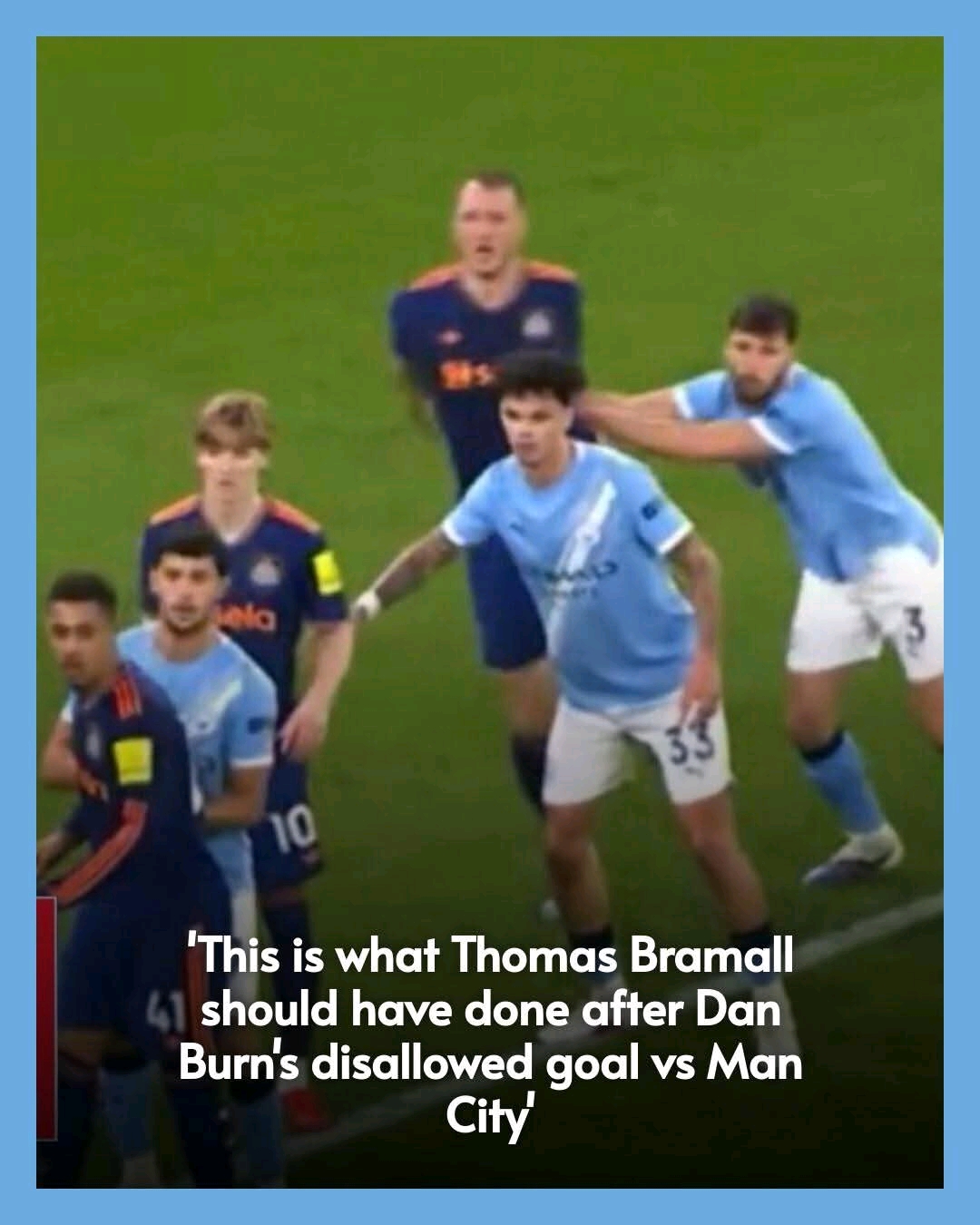
The controversy started in a moment that lasted only seconds but will be debated for weeks because when Dan Burn rose highest to head the ball into the net against Manchester City on 21 February 2026 Newcastle fans exploded in celebration believing they had found a crucial breakthrough only for that joy to be cut short by a delayed flag and then confirmation from VAR that the goal would not stand and what followed was frustration confusion and serious questions about what referee Thomas Bramall should have done in that situation.
The match itself was already full of tension because Manchester City were chasing Arsenal at the top of the Premier League table and every point mattered and Newcastle were fighting with intensity knowing that taking points from the champions could reshape the title race and inside that pressure cooker came the free kick moment that changed the mood of the game completely.
Dan Burn found himself inside the penalty area as Newcastle prepared to deliver the ball and when the free kick was taken he appeared to be standing in an offside position but replays quickly showed something important he had been pushed into that position by Ruben Dias and that detail became the heart of the controversy because if a defender is forced into an offside position by an opponent should he really be punished for it.
Thomas Bramall allowed play to continue for a brief moment before the assistant referee finally raised the flag and after a check VAR confirmed offside and disallowed the goal but many observers believed the story was not that simple because the push occurred before the free kick was even taken which means the ball was technically not in play when the contact happened and that technical detail has opened the door to serious debate about how the situation should have been handled.
Former PGMOL chief and ex FIFA referee Keith Hackett stepped into the discussion and argued that the referee had other options available and that simply disallowing the goal for offside ignored the key event which was the push itself and according to him if the assistant raises the flag the referee can still intervene and penalise the foul especially when the contact clearly influenced positioning before the restart and he suggested that the correct approach would have been to either award a free kick for the push or allow a retake of the original free kick rather than punish Newcastle for something that was not entirely within Burn’s control.

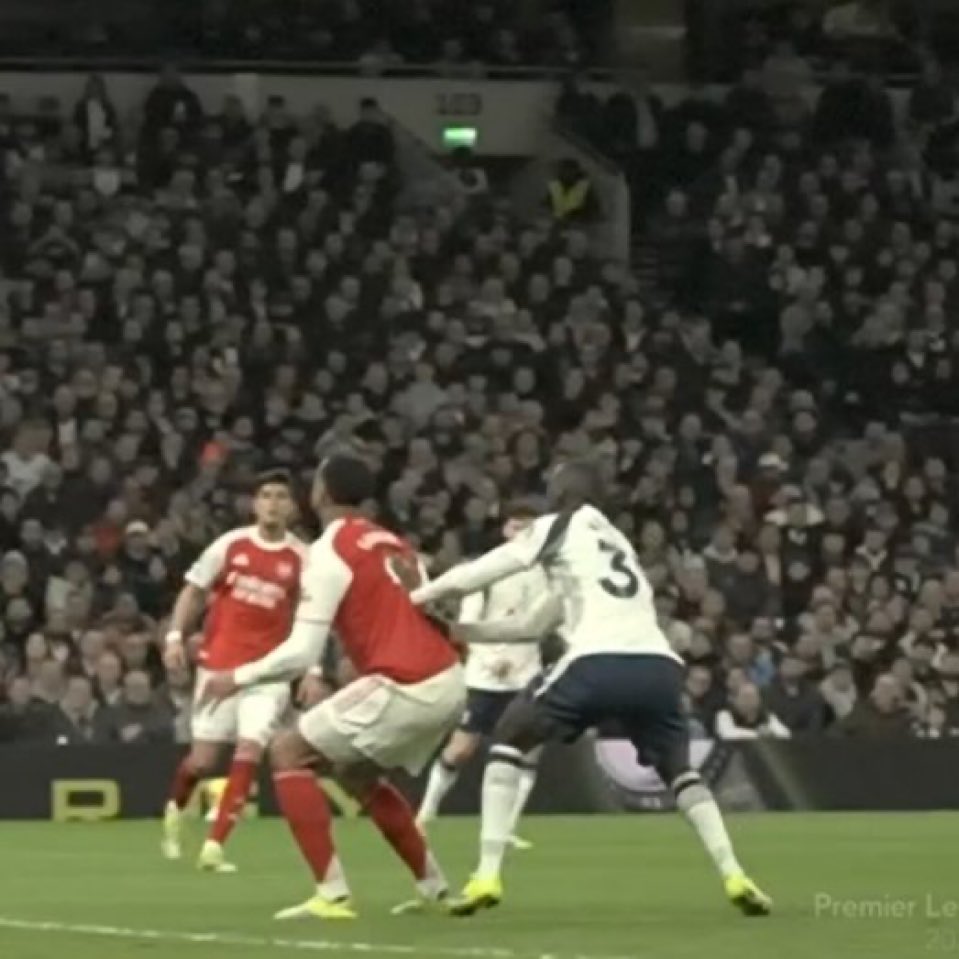


The logic behind that argument is simple because during set pieces referees are expected to monitor grappling pushing and physical battles inside the penalty area and it is common to see referees step in before corners to warn players and restore order so critics are asking why similar management did not happen here especially when the push took place before the ball was back in play and if the referee had spotted it earlier he could have halted proceedings immediately instead of allowing the situation to unfold into a controversial finish.
From Manchester City’s perspective the situation was seen differently because Ruben Dias showed awareness and intelligence by disrupting Burn’s positioning and defenders often use subtle contact to gain advantage and in many cases those actions go unnoticed and Burn himself admitted after the game that such physical tactics are common saying openly that as a defender he does the same thing which was a refreshingly honest reaction in a sport where players often blame officials first and take responsibility later.
Still Newcastle supporters felt hard done by because the goal itself was well executed Burn climbed above defenders and powered his header beyond the goalkeeper and in that split second St James Park believed momentum had shifted and given that City eventually held on for three crucial points the decision felt even heavier in the final analysis because small refereeing moments can decide tight title races and survival battles alike.
Manchester City had taken the lead earlier through a brilliant brace from Nico O’Reilly whose two first half goals came on either side of a deflected strike from Lewis Hall and that double gave Pep Guardiola’s side the cushion they needed but Newcastle responded with energy and second half chances fell to Anthony Gordon Harvey Barnes and Anthony Elanga yet none of them could convert and when the final whistle blew the conversation returned to Burn’s disallowed header and whether justice had truly been served.
The laws of the game are precise but their application often depends on interpretation and the key question here is whether the push was significant enough to warrant a foul and whether it directly caused the offside position if the referee judged that the contact was minor then the offside stands but if the contact materially affected positioning then penalising the attacking team seems harsh and this grey area is what keeps former officials and pundits debating long after the match has ended.
Keith Hackett insisted that offside and ruled out goal should not have been the final solution because it failed to address the initiating foul and he argued that referees must consider the sequence of events not just the final frame of the moment and in his view once the push is acknowledged the restart should reflect that infringement rather than simply erasing the goal and moving on.
For Thomas Bramall the situation highlights the complexity of modern officiating where VAR adds another layer of scrutiny and every decision is replayed from multiple angles and slow motion often exaggerates contact that in real time looks minimal and referees must balance authority with interpretation knowing that whatever they decide will be dissected by analysts fans and former officials alike.
Ruben Dias meanwhile has faced separate speculation about his future after some Manchester City fans questioned recent defensive performances but in this particular incident his clever thinking arguably protected his team from conceding and that is why some City supporters view the moment as smart defending rather than unfair play because football often rewards those who understand the margins.
Dan Burn’s reaction deserves credit because instead of launching into criticism he admitted that physical battles are part of the game and that honesty added nuance to the debate because if the player himself accepts that such contact is common then perhaps the incident sits within the normal boundaries of set piece combat yet the timing before the free kick remains the sticking point.
As the Premier League title race intensifies every controversial decision feels magnified Manchester City are chasing Arsenal and Newcastle are fighting for pride and position and when margins are tight refereeing moments gain historic weight and this particular call may be remembered not just as an isolated incident but as part of a wider conversation about consistency transparency and the evolving role of VAR in English football.
In the end the scoreboard shows Manchester City took the points but the discussion continues because football is not only about goals and results it is about fairness interpretation and the constant tension between clever play and foul play and the Dan Burn disallowed goal sits perfectly in that grey space where opinion divides sharply and certainty remains elusive and whether Thomas Bramall should have brought play back for the push or whether the offside was the correct technical call depends largely on perspective but what is undeniable is that the moment added another chapter to an already dramatic Premier League season and ensured that debates about refereeing standards will continue long after the final whistle.