RANGERS STANCE ON JAMES TAVERNIER RETURN REVEALED AS STAR KEEN TO STRIKE IBROX DEAL

Rangers have no intention of bringing James Tavernier back to Ibrox this summer, with sources telling Football Insider that the club hierarchy have shut down any suggestion of a reunion with their former captain, despite growing noise in recent days suggesting a shock return could be on the cards. It’s a firm and fairly unambiguous stance from the club, one that will disappoint sections of the support who have spent the past couple of weeks openly wondering whether a recall for the 34-year-old might be exactly the short-term fix Derek McInnes needs at right-back, but it appears the Ibrox hierarchy have already made their minds up that this particular chapter, for all its history and success, has closed for good.
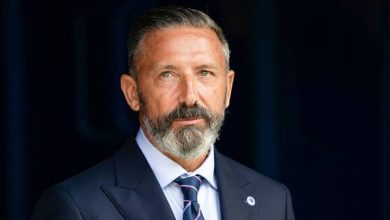
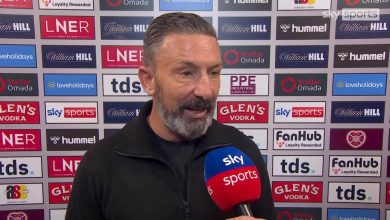
The speculation itself hasn’t come from nowhere. Rangers have endured a genuinely miserable start to the new campaign under McInnes, taking just two points from their opening four competitive matches and suffering the added embarrassment of a Europa League qualifying exit at the hands of Polish side Jagiellonia Bialystok, a result that dropped the club into the Conference League play-off round and intensified scrutiny on the new head coach only weeks into his tenure. Amid that backdrop, former Rangers midfielder Andy Halliday used his platform on BBC Radio Scotland to make the case that a call to Tavernier should be the very first move the club makes in response, arguing that the veteran full-back represented an instant upgrade at right-back and would bring exactly the kind of leadership and big-game temperament this new-look Rangers side has so obviously been missing through its opening month. Halliday was upfront about the fact his suggestion wouldn’t be universally popular among supporters, but he was equally clear in his belief that Tavernier has never shied away from scrutiny during his time in Scottish football and would relish the chance to make a difference again if called upon.
It’s not hard to see why that idea gained some traction. Tavernier’s numbers during his eleven years at Ibrox speak for themselves, a genuinely remarkable return for a right-back, with well over a hundred goals contributed from that position across a decade of near-ever-present service, four league titles, and a run to a European final along the way. He captained the side for eight years, took over the armband from Lee Wallace, and became as synonymous with that Rangers side as almost any outfield player of the modern era at the club. His departure at the end of last season, after his contract expired and the club opted not to extend it under the previous management setup, was framed by most as a natural, if slightly sad, end to a hugely successful spell rather than any kind of acrimonious split, and he left Ibrox still held in what’s being described as extremely high regard by those inside the building.
That respect, though, evidently doesn’t extend to bringing him back into the fold as a player, at least not at this stage. According to the report, Rangers hierarchy are not considering Tavernier as an option in any capacity this summer, regardless of the problems that have emerged at right-back during the club’s disjointed start to the season. It’s a decision that will likely be shaped by a number of factors beyond pure sentiment. Tavernier turns 35 in October, and while he insisted as recently as this year that he still had three or four seasons left in his legs, a full-time return to the rigours of regular Scottish Premiership and European football at that age, after spending the entire summer without a club, would represent exactly the kind of risk a rebuilding project under a new head coach might understandably want to avoid. There’s also the broader question of what such a move would say about the direction of the rebuild itself. McInnes has spent the summer signing eleven new players, overhauling almost every area of the pitch with an eye on building something younger and more dynamic, and a swift U-turn to recall the very captain whose departure symbolised the end of the previous era would sit somewhat awkwardly against that backdrop, however well-intentioned the gesture might be.
For his part, Tavernier appears fully focused on moving his career forward elsewhere rather than waiting around for Ibrox to change its mind. Having spent the whole of the summer as a free agent since his Rangers contract lapsed, the report indicates he’s now attracting interest from clubs in Turkey and is hoping to get a move over the line sooner rather than later, understandably keen to find a new home and get his career back on track after such a lengthy spell without competitive football. It’s worth remembering he’s previously been strongly linked with switches to Saudi Arabia and Major League Soccer over recent years too, and it’s understood he held talks earlier in the summer with former Aston Villa manager Dean Smith over a potential move to Charlotte FC in MLS, so options do appear to exist for him even if a return to Govan isn’t going to be one of them.
The timing of this stance being made public is also notable, coming just as Rangers continue to work on strengthening the right-back area through more conventional transfer market channels rather than a nostalgic reunion. The club has been chasing longer-term solutions in that position throughout the window, with young Aston Villa full-back Kosta Nedeljkovic emerging as the most concrete option after finding himself down the pecking order at Villa Park following their return to Champions League football. Unlike the Tavernier scenario, that deal represents exactly the kind of forward-looking recruitment McInnes and the club’s football department appear committed to, bringing in a 20-year-old with Serbian international caps and Bundesliga
None of this is to say Tavernier’s Ibrox legacy is in any way diminished by the club’s reluctance to bring him back as a player. If anything, the framing of the report, stressing just how highly he continues to be regarded by those at the club, suggests this is being handled as a respectful closing of the door rather than any kind of cold shoulder. There will likely be other ways for Rangers to honour his contribution down the line, whether that’s through a testimonial, involvement in coaching or ambassadorial capacities once his playing career eventually winds down, or simply the natural recognition that comes with being one of the most statistically productive full-backs in the club’s modern history. For now, though, the message from Ibrox is unambiguous. The Tavernier era, as far as first-team involvement goes, is over, and Rangers’s focus at right-back lies firmly with the new generation of signings McInnes has been assembling all summer, however bumpy that transition has looked in the opening weeks of the season.
Where this leaves the current right-back picture at Ibrox is worth dwelling on too. Dujon Sterling and summer arrival Ross McCrorie remain the senior options in that position for now, with McInnes previously suggesting both offer a solid, defensively sound presence without necessarily giving him the attacking outlet he’s been searching for from that side of the pitch. Should the Nedeljkovic deal be completed, as widely expected, it would go a long way toward addressing that gap directly, offering a younger, more attack-minded alternative without the risk that would inevitably come attached to a reunion with a player who hasn’t played competitive football in months and is closer to the end of his career than the beginning of it. It’s a longer-term, lower-risk approach to solving the problem, and based on the club’s stance as reported here, it’s clearly the one Rangers intend to stick with regardless of the short-term pressure McInnes finds himself under following such a difficult start to his tenure.
For supporters who grew up watching Tavernier bomb up and down that right flank for over a decade, chalking up assist after assist and the occasional trademark long-range strike, there will understandably be a pang of nostalgia attached to seeing his name linked with a return, even briefly. But football, and Rangers’s current situation in particular, rarely rewards sentiment over sustainability, and with the club already committed to a wholesale, youth-driven rebuild under McInnes, it’s not difficult to understand why the hierarchy have chosen to look forward rather than back, even during a period as testing as this one. Tavernier’s next chapter, wherever it ends up taking him, will be written away from Ibrox, and Rangers, for better or worse, will continue building their future without him