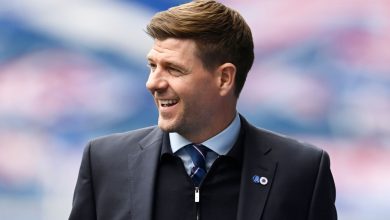
Did Derek McInnes Cost Rangers the Match? The Decision That Has Fans Talking

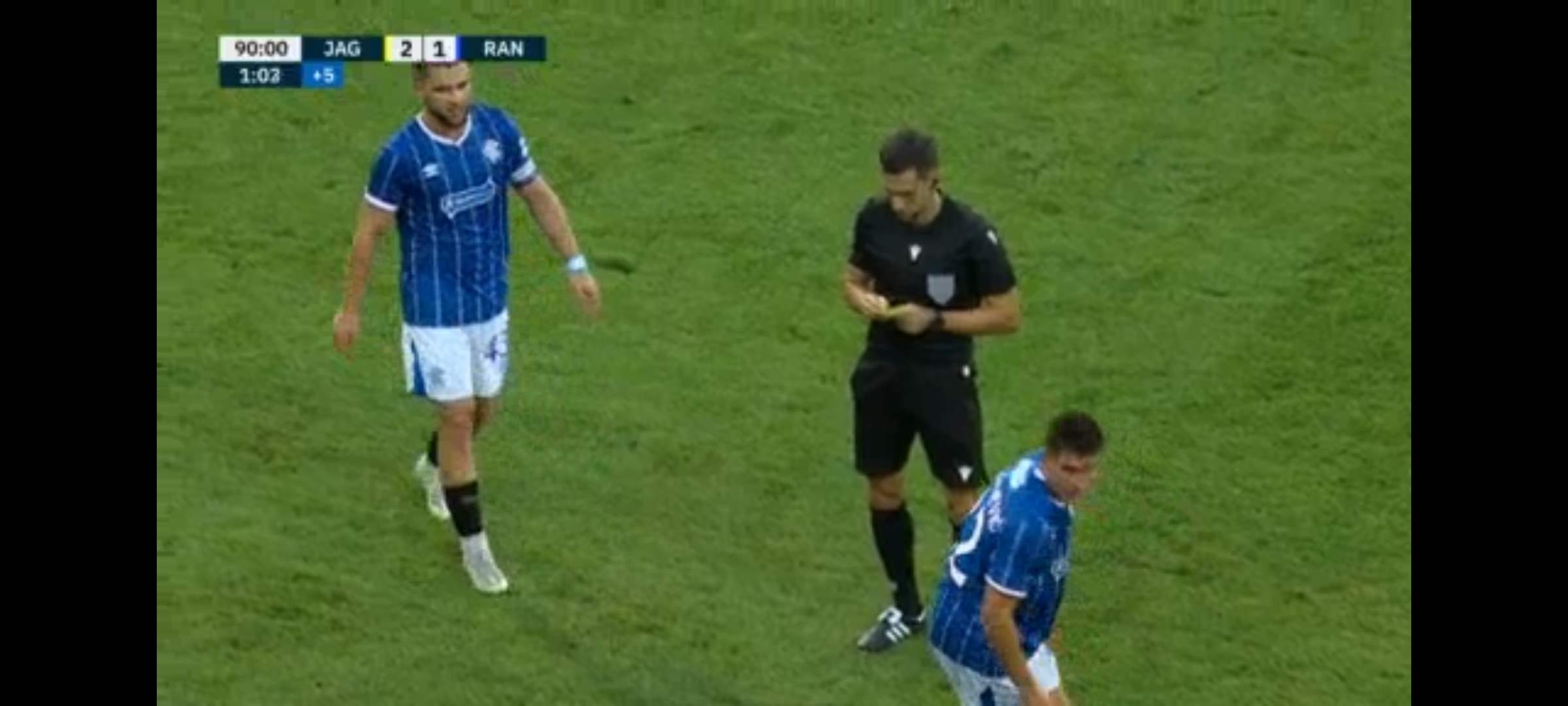
Football has always been a game of opinions. Every pass, every substitution, every tactical adjustment and every refereeing decision can become the biggest talking point after the final whistle. That was once again the case following Rangers’ latest match, where one late decision from manager Derek McInnes became the centre of attention. Within minutes of the game ending, social media was flooded with reactions from supporters debating whether the Rangers boss made the right call or whether his decision ultimately influenced the outcome. While there is no clear agreement among fans, the incident has sparked one of the biggest discussions surrounding the club this season.
Managing Rangers comes with enormous pressure. Every result is analysed, every team selection is questioned and every tactical move is examined in detail. Success is expected every time the team steps onto the pitch, whether in domestic competitions or on the European stage. Because of those expectations, any decision that appears to affect the flow of a game is always going to attract attention.
The match itself had all the ingredients of a memorable contest. Rangers showed determination, commitment and moments of quality as they battled against difficult opposition. There were encouraging signs throughout the game, with players working hard to create chances and remain competitive. Supporters inside the stadium and those watching around the world believed the team still had an opportunity to achieve a positive result as the game entered its closing stages.
That was when Derek McInnes made the decision that has since divided opinion. Some supporters believed the tactical change disrupted Rangers’ rhythm at a crucial point in the contest. Others argued the substitution was necessary because of player fitness, fatigue or the tactical demands of the game. As is often the case in football, the same decision produced two completely different interpretations depending on who was watching.
Many Rangers fans took to social media immediately after the final whistle to express their frustration. Some claimed the team lost momentum after the change and struggled to maintain the same attacking threat they had shown earlier in the match. Others questioned whether different players should have remained on the pitch or whether the manager should have waited longer before making his move.
Not everyone shared that opinion. A significant number of supporters defended McInnes, pointing out that football matches are rarely decided by a single substitution or tactical adjustment. They argued that Rangers had opportunities earlier in the game to put themselves in a stronger position and that missed chances, defensive errors and the quality of the opposition all contributed to the final outcome.
Former players and football analysts often remind supporters that managers must make decisions based on information that fans do not have. They understand the physical condition of players, tactical instructions and communication taking place on the touchline. What appears to be a strange decision from the stands may actually be based on medical advice or a tactical concern that is not immediately obvious
Football history is filled with moments where managers have been praised for bold substitutions one week and criticised for similar decisions the next. Success often determines how those decisions are remembered. If Rangers had gone on to score after the tactical change, many supporters might have described McInnes as a tactical genius. Instead, the result has left room for criticism and debate.
There is also the emotional aspect of football. Supporters invest their time, passion and emotions into every Rangers match. When the team fails to achieve the desired result, it is natural for fans to search for turning points that may explain what happened. Sometimes that focus falls on a missed chance. Other times it falls on a refereeing decision. In this case, much of the attention has centred on the manager’s late tactical call.
McInnes himself knows that criticism comes with the job. Every Rangers manager throughout the club’s history has experienced periods where supporters questioned decisions. The expectations at Ibrox are among the highest in British football, and every point matters. That pressure is unlikely to disappear, regardless of results.
It is also important to remember that football is a team sport. Managers make decisions, but players still have to execute the plan on the pitch. A substitution alone does not determine the outcome of a match. Individual performances, finishing, defending, concentration and even luck all play important roles over ninety minutes.
The debate surrounding McInnes also highlights the passion of the Rangers fanbase. Supporters care deeply about every result because they want to see the club competing for trophies and progressing in Europe. Their willingness to analyse every detail reflects the standards they expect from everyone connected with the club.
Looking ahead, McInnes will be hoping the team responds positively in its next fixture. Football offers little time to dwell on disappointment, with another important match always around the corner. A convincing performance and a positive result could quickly shift the conversation away from one controversial decision and back toward Rangers’ ambitions for the season.
For the players, maintaining confidence will be essential. One difficult result should not define a campaign, particularly if lessons are learned from it. Experienced squads understand that setbacks are part of football and that the best response is to improve in the next match rather than dwelling on previous mistakes.
Whether supporters ultimately believe McInnes made the right or wrong decision, one thing is certain: football will continue to generate passionate debate. Every fan sees the game differently, and those different perspectives are part of what makes the sport so compelling. Some will continue to believe the manager’s decision changed the course of the match, while others will argue that the result was influenced by a combination of factors rather than one moment.
As Rangers move forward, the focus will inevitably turn to future performances rather than past controversies. If the team delivers positive results in the coming weeks, the debate surrounding this particular match will gradually fade into the background. However, if similar situations arise again, questions about McInnes’ tactical approach are likely to resurface.
For now, the discussion remains open. Did Derek McInnes cost Rangers the match? There is no single answer. What is clear is that one late decision has become the defining talking point among supporters, proving once again that in football, the smallest moments often create the biggest debates.