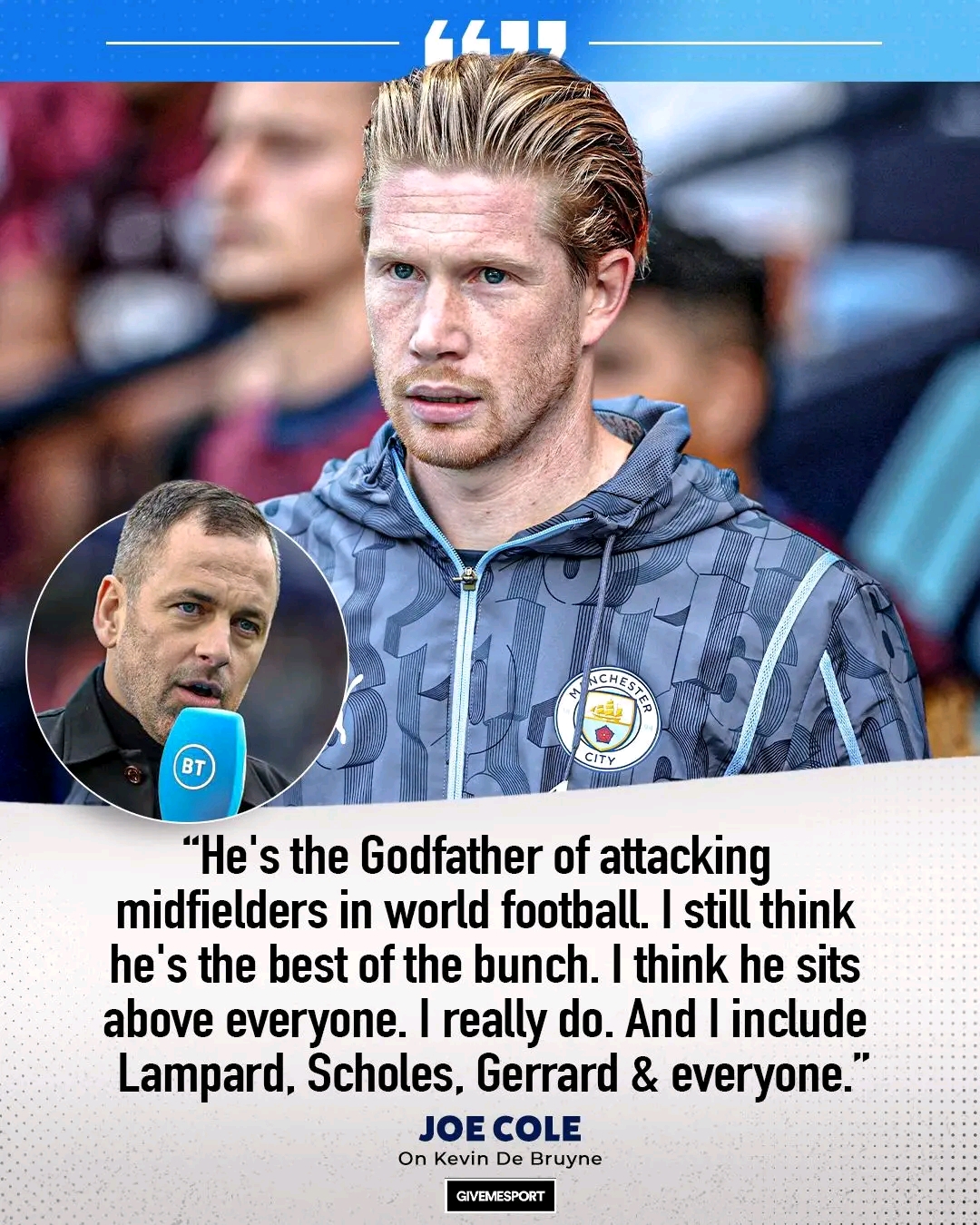
Kevin De Bruyne – “the Godfather of attacking midfielders” according to Joe Cole

Lawrence Shankland has once again found himself at the centre of football conversation, but not because of headlines about guarantees or promises. Instead, the experienced striker has made it clear that nothing in football is ever certain, especially when it comes to international selection. In a sport where form changes quickly and competition is always fierce, Shankland has chosen a grounded and realistic approach, shutting down any idea that his place with Scotland can ever be taken for granted.
The discussion around Shankland started after recent attention on his performances and his move to Rangers, a club where expectations are always extremely high. Every player who joins the Ibrox side understands the pressure that comes with the badge. The fans demand success, the media expects goals, and the manager requires consistency. For Shankland, it is another big step in a career built on patience, hard work, and proving people wrong.
But even with all the attention around his club career, the conversation quickly shifted to international football. Scotland, like many national teams, is full of competition for places. Every squad announcement brings debate, surprises, and disappointment for some players. Shankland knows this better than most. He has experienced both selection and omission in the past, and that experience has shaped his mindset.
Instead of claiming that he deserves a permanent place, Shankland has taken a more honest approach. He understands that football does not work on reputation alone. Goals, form, fitness, and tactical fit all play a role in selection. No player, no matter how experienced, is ever guaranteed a spot in the national team.
This is what he meant when he shut down the idea of “certainty” around his Scotland future. For him, every call-up must be earned. Every performance matters. Every match is an opportunity to show he belongs at international level. That attitude has earned him respect among fans who appreciate honesty in modern football.
Shankland’s journey to this point has not been straightforward. He is not a player who rose overnight through a world-famous academy. Instead, he built his career step by step, moving through different clubs, learning from setbacks, and slowly developing into one of Scotland’s most reliable forwards. His story is one of persistence rather than instant success.
There were times when people doubted whether he would reach the highest level. There were moments when opportunities seemed limited. But Shankland kept working, kept scoring, and kept improving. That mentality eventually brought him recognition, both at club level and on the international stage.
Now at Rangers, the expectations are even greater. Playing for one of Scotland’s biggest clubs means every performance is under the microscope. Fans expect goals every week, especially from a striker. The pressure is constant, and there is no hiding place when results do not go your way.
But Shankland has faced pressure before. In fact, pressure is something he seems to respond to rather than fear. His career has been built on proving people wrong, and Rangers represents another chance to do exactly that on a bigger stage. Every match at Ibrox carries weight, whether it is a league fixture, a cup tie, or a European night under the lights.
At the same time, the Scotland debate continues in the background. National team selection is always a sensitive topic. Managers must balance form, fitness, tactics, and long-term planning. That means even in-form players can sometimes miss out. Shankland knows this reality and refuses to assume anything.
He has made it clear through his attitude that the best way to stay in the Scotland conversation is not through words, but through performances. Scoring goals, creating chances, and contributing to the team are what matter most. Everything else is outside his control.
This mindset is important in modern football, where pressure from fans and media can often create expectations that do not match reality. Shankland’s approach is simple: focus on what he can influence and ignore the rest. That has helped him stay consistent throughout his career.
While Shankland’s situation is one side of the story, another interesting development has emerged involving Rangers and international football on a wider scale. A new Rangers player, still early in his journey at the club, is also working towards international recognition. In his case, the focus is on Haiti, a nation where football continues to grow and develop talent across different leagues.
For this new signing, the dream of representing Haiti is a powerful motivation. Like many footballers around the world, the chance to wear the national shirt represents pride, identity, and achievement. It is not just about football, but about representing family, culture, and country on an international stage.
However, just like Shankland, nothing is guaranteed. International managers must evaluate players based on form, fitness, and suitability. Every match becomes an opportunity to impress. Every training session becomes part of the assessment. Every performance is watched closely, even when players are not directly thinking about it.
The Rangers newcomer understands this pressure. He knows that playing for a club like Rangers gives him a platform, but it does not guarantee international selection. He must still perform, still improve, and still prove himself worthy of a place in the Haiti squad.
This creates an interesting parallel between the two stories. On one side, Shankland is experienced, established, and realistic about his Scotland future. On the other side, a younger teammate is chasing international recognition with Haiti, trying to make his mark on a different stage. Both players are connected by the same truth: football rewards performance, not promises.
Inside the Rangers dressing room, these kinds of ambitions are common. Players often come from different countries, different backgrounds, and different football cultures. International football becomes a shared topic of motivation. It is something players talk about, dream about, and work towards together.
Shankland’s experience makes him an important figure in that environment. Younger players can look at his career and understand what persistence looks like. They can see that success does not always come quickly, and that patience is often required. His journey sends a message that consistency matters more than reputation.
At the same time, Rangers as a club benefit from having players involved in international football discussions. It raises the profile of the team and shows that their squad includes talent recognized at national level. Whether it is Scotland, Haiti, or other nations, international involvement reflects quality within the squad.
For Scotland, Shankland remains part of a wider conversation about attacking options. National team managers always have difficult decisions to make, especially when selecting forwards. Different players bring different strengths, and tactical systems influence who gets selected. Shankland knows he must continue performing at a high level if he wants to stay in that conversation.
But rather than worrying about selection debates, he prefers to focus on football itself. Training, preparation, teamwork, and match performance are his priorities. That is where he believes success is built. Not in headlines, not in speculation, but on the pitch.
This grounded mindset is what has kept him relevant for so long. Many players rise quickly and fade just as fast. Others maintain long careers through discipline and consistency. Shankland falls into the second category. He is not defined by hype, but by steady contribution.
As the season continues, attention will remain on both his club and international future. Every goal he scores for Rangers will add to his reputation. Every strong performance will strengthen his case for Scotland selection. But he will not assume anything is guaranteed.
Football, as always, remains unpredictable.
For the Rangers teammate chasing Haiti recognition, the same principle applies. One strong performance can open doors. One poor run of form can close them. International football is built on timing as much as talent. Being ready at the right moment is crucial.
This is why both stories matter. They show different stages of a football journey, but the same underlying truth: nothing is given in professional football. Everything must be earned repeatedly.
Shankland’s message is clear without needing dramatic statements. He does not believe in certainty when it comes to Scotland selection. He believes in performance, effort, and consistency. That is the only way to stay in the conversation.
For Rangers fans, that mindset is encouraging. It shows a player focused on responsibility rather than entitlement. It shows someone who understands the demands of the club and the expectations of international football.
As the season unfolds, both Shankland and his teammates will continue chasing their goals, whether at club level or on the international stage. Scotland and Haiti may be different stories, but the journey is the same: work hard, perform well, and let football decide the rest.
And in that simple truth, Shankland’s message becomes even clearer. In football, nothing is certain, and every place must always be earned.