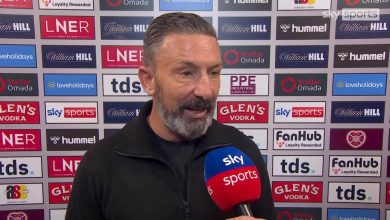
Lawrence Shankland opens up on Rangers reunion with Derek McInnes and captaincy demands

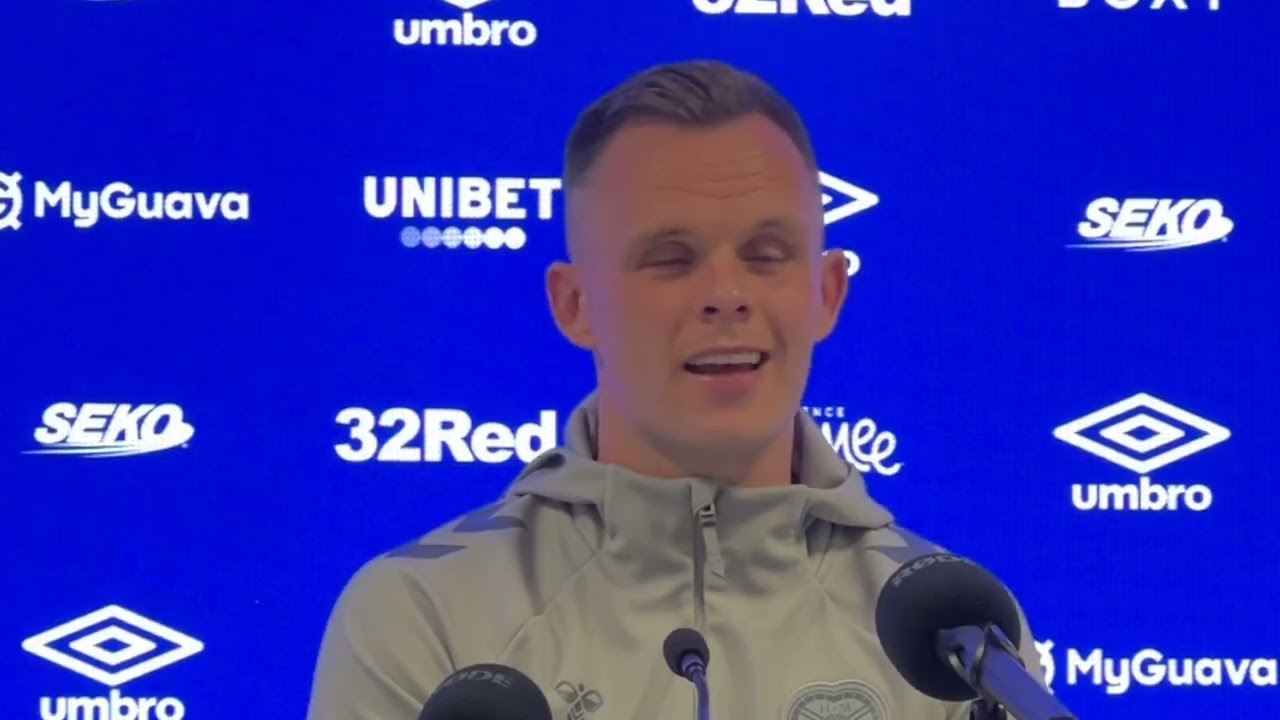
Lawrence Shankland has spoken candidly about what it means to be reunited with Derek McInnes at Rangers, and about the standards the manager has already set as he takes on the captaincy at Ibrox — a role that places him in the company of some of the club’s most storied names.
Shankland learned of McInnes’ appointment as Rangers manager while away with Scotland at the World Cup in the USA, a moment he’s since described as a welcome piece of news from back home. Speaking to the press at the time, he made clear he was genuinely pleased for his former boss, calling it a good opportunity for him, while also admitting he hadn’t had much time to properly process what it meant for his own club future. With his focus fixed on Scotland’s tournament campaign, he said he was deliberately putting it to the back of his mind, preferring to enjoy the World Cup before turning his attention to a fresh start back at Ibrox.
It capped off a whirlwind period for Shankland, whose move from Hearts to Rangers came about via a break clause in his contract — allowing the Ibrox club to bring in one of the standout performers of the previous Scottish Premiership season for a minimal fee. It was a bittersweet development for McInnes himself, who at the time was still processing losing out on the league title to Celtic on the final day of the season while in charge of Hearts, only to then lose his talismanic captain and top goalscorer to Rangers shortly afterwards. Football’s habit of quickly turning the tables was not lost on either man: within weeks, McInnes had been appointed Rangers manager himself, reuniting him with the very player his previous club had just lost.
The connection between Shankland and McInnes stretches back further than their time together at Tynecastle. The pair have worked together across two different clubs during their careers, with McInnes having previously managed Shankland at Aberdeen as well. That shared history gives McInnes a detailed understanding of how to get the best out of the striker — knowledge that could prove valuable as Rangers look to arrest their difficult start to the season.
McInnes has spoken warmly about having Shankland at his disposal again, describing his presence at Ibrox as an added bonus given how well he knows the player personally, and pointing to the strong season Shankland had before making the move to Glasgow. That familiarity was central to why McInnes was so pleased to discover, upon his own appointment, that Shankland would already be part of the squad waiting for him.
Since returning from international duty and beginning pre-season training under his new-old manager, Shankland has spoken about the adjustment required to meet McInnes’ demands. He’s been candid that while a new manager arriving always brings change, his prior experience working under McInnes gave him a reasonably clear idea of what to expect this time around. Even so, he’s described training intensity increasing a further notch since his return, admitting he’s already noticed improvements within the group as players adjust to what’s being asked of them.
Shankland has been clear that McInnes wants a competitive, high-intensity environment from every player, right from the very start of a session, and that anyone unaccustomed to working that way needs to adapt quickly. Encouragingly, from his own observations within the squad, he’s said the general reaction has been positive, with players buying into the demands being placed on them.
Perhaps the most significant marker of Shankland’s rapid rise at the club came when McInnes handed him the Rangers captaincy — a decision announced just an hour before Shankland faced the press to preview the new Premiership campaign. It’s an honour that places him among a lineage of significant figures to have worn the armband at Ibrox, following names like Lorenzo Amoruso, Barry Ferguson, David Weir, Lee McCulloch and, most recently, James Tavernier — each leaving their own legacy at the club with varying degrees of success.
For a player who arrived at Rangers only months ago, being trusted with the captaincy so quickly speaks to the level of regard McInnes holds for him, built up over their prior spells working together. It also places considerable early pressure on Shankland to embody the standards, character and mentality McInnes has been trying to instil throughout the squad — qualities that, as Shankland himself has acknowledged, risk becoming empty buzzwords unless they’re consistently backed up by actions and behaviour on the training pitch and in matches.
With the captaincy now his, and Rangers already navigating a difficult opening stretch to the season, Shankland finds himself at the centre of McInnes’ rebuilding project in more ways than one — as both a senior on-pitch leader and as the manager’s most trusted returning asset from their time together at Hearts and Aberdeen. How the team responds under his captaincy, and how quickly the wider squad adapts to the intensity McInnes demands, is likely to shape much of Rangers’ season from here.