Man City ‘reached a financial agreement’ with world-class player, set to complete transfer

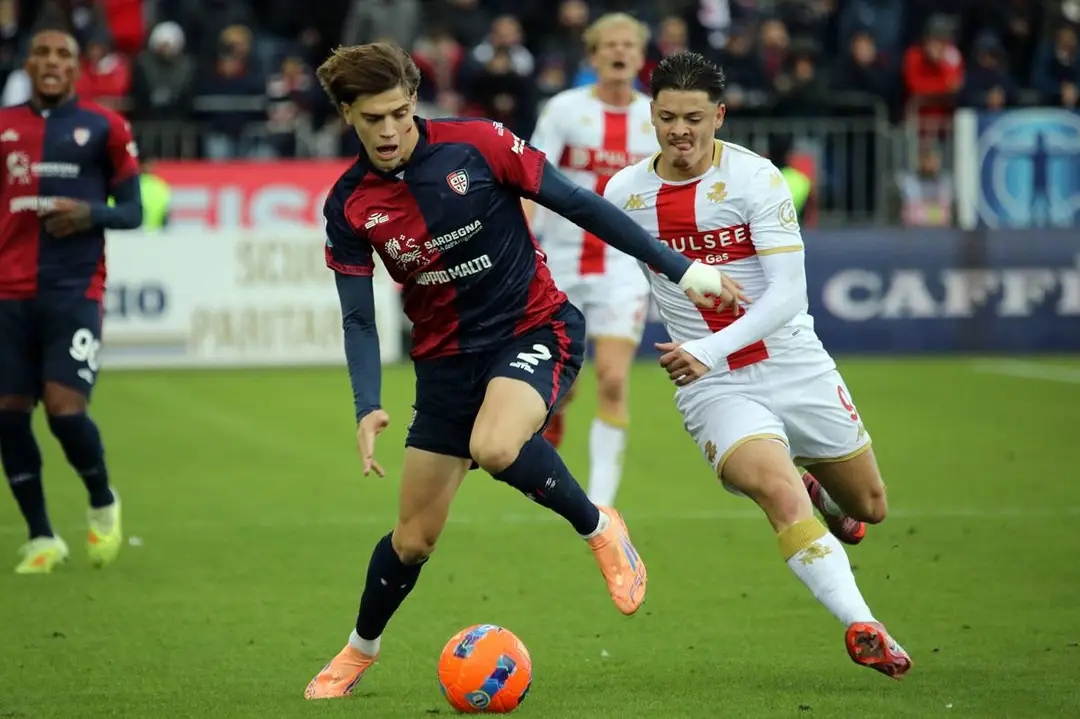
Manchester City are once again at the centre of the European transfer spotlight, with fresh reports claiming that the Premier League champions have “reached a financial agreement” over a potential deal for highly-rated Atalanta youngster Marco Palestra. The story has quickly spread across football media, sparking excitement among fans who are eager to see the club continue its tradition of signing and developing elite young talent.
But while the headlines suggest progress, the reality behind the negotiations is far more complex. Despite the reported financial understanding between certain parties, the deal is still far from completion, with Atalanta maintaining a firm and uncompromising stance on their valuation of one of Italy’s brightest emerging defenders.
For Manchester City, this is not unfamiliar territory. The club has built a modern transfer strategy based on early scouting, long-term planning, and aggressive positioning in the market for elite young prospects. Their interest in players like Marco Palestra reflects a wider philosophy: secure talent early, develop it within an elite system, and shape future first-team stars before their market value explodes.
The player at the centre of this latest transfer story, Marco Palestra, has become one of the most talked-about young defenders in Italian football. Known for his versatility, athleticism, and modern wing-back profile, Palestra has attracted attention not only from Manchester City but also from several top European clubs, including strong interest from Inter Milan.
For Atalanta, the situation is both exciting and delicate. The club has developed a reputation across Europe for producing and refining high-level talent, often turning young players into major assets before eventually selling them at significant profit. However, in Palestra’s case, they appear determined to control the terms of any future departure more strictly than usual.
Reports suggest that Manchester City have been tracking the player for some time, with scouts closely monitoring his performances at youth and senior levels. His ability to operate as a wing-back or wide defender in a tactical system fits perfectly into City’s evolving style, where full-backs and wide defenders are expected to contribute both defensively and offensively with equal intelligence.
What makes Palestra particularly attractive is not just his technical ability, but his tactical maturity at a young age. In modern football, especially under high-possession systems like City’s, players are required to make quick decisions under pressure, maintain positional discipline, and adapt to fluid attacking structures. Palestra’s profile suggests a player already comfortable in such environments, making him a long-term project with immediate potential.
However, the transfer process has not been straightforward.
Atalanta’s position has been consistent from the beginning. They are not interested in player-exchange deals and are prioritising a clean financial agreement that reflects their valuation of the player’s potential. Early approaches from interested clubs, including proposals involving swap arrangements, were quickly rejected.
Inter Milan were among the first clubs to seriously test Atalanta’s resolve. Their approach reportedly included a structured offer with the possibility of players moving in the opposite direction. But Atalanta made it clear that they preferred direct cash valuation rather than complex exchange deals that could complicate squad planning.
Initially, Inter appeared to be in a strong position. The player was believed to be open to the move, and the Italian giants were seen as frontrunners for his signature. However, the landscape changed significantly once Manchester City entered the race in a more aggressive manner.
The involvement of Manchester City altered the dynamics completely. Not only because of their financial strength, but because of their growing reputation as one of the best development environments in world football. Under their modern structure, young players are often given access to elite coaching, world-class facilities, and tactical systems designed to accelerate growth.
For many young talents, that pathway is extremely appealing.
City’s recruitment strategy in recent years has shown a clear pattern: identify high-ceiling players early, integrate them gradually, and develop them within a winning environment. Palestra appears to fit perfectly into that model, especially given his versatility and potential to adapt to multiple roles.
According to reports circulating in Italy, Manchester City have already made meaningful progress in discussions surrounding the player. Some outlets, including La Repubblica via FCInterNews, have suggested that City may have even reached a financial understanding related to the structure of the deal.
However, these reports also emphasise that no final agreement has been signed, and significant obstacles remain before anything can be considered complete.
One of the biggest challenges is Atalanta’s valuation.
The Serie A club are reportedly demanding around €50 million plus €5 million in bonuses, a figure that reflects both the player’s potential and the current market inflation for young defensive talent. For Atalanta, this valuation is not just about the present ability of the player, but about what he could become over the next several years.
In their view, Palestra is not just a squad player or a developing talent—he is a long-term asset who could grow into a top European defender. That belief gives them confidence in holding firm during negotiations, even with multiple elite clubs circling.
Manchester City, however, are known for their disciplined approach in the transfer market. While they are capable of significant spending, they rarely enter deals without careful structure and long-term planning. Any potential agreement for Palestra would likely be evaluated not just on immediate cost, but on development trajectory, squad integration, and future tactical value.
This is where negotiations become complex.
Atalanta want maximum value upfront. City prefer structured deals with performance-related add-ons. Inter Milan, meanwhile, are trying to remain competitive but are now believed to be slightly behind in the race due to City’s growing influence in the discussions.
The situation has created a fascinating three-way battle for one of Italy’s most promising young defenders.
From the player’s perspective, the decision would not be simple either. Staying at Atalanta offers continuity and guaranteed development in a familiar environment. A move to Inter would keep him in Serie A but at a higher-profile club with immediate pressure. A transfer to Manchester City, however, would represent a major leap into one of the most competitive football systems in the world.
Each option carries benefits and risks.
At City, the competition for places is intense, but the development structure is unmatched. Players are pushed to improve technically and tactically at a rapid rate, often under the guidance of world-class coaching staff. However, breaking into the first team is never guaranteed, and young players must be patient and adaptable.
That balance between opportunity and challenge is what makes City both attractive and demanding at the same time.
For Atalanta, there is also a strategic calculation. Selling at the right moment for maximum value is part of their long-term model. But they are also aware that holding onto a player too long can sometimes reduce market leverage if form fluctuates or injuries occur.
Right now, though, they believe they are in a strong negotiating position.
There is no urgent financial pressure, and multiple clubs are interested. That allows them to maintain their valuation without compromise.
As for Manchester City, the broader picture remains consistent with their transfer philosophy. The club continues to invest in young, versatile players who can adapt to multiple systems and roles. This approach not only strengthens squad depth but also ensures long-term sustainability in an increasingly competitive football landscape.
Even if this particular deal is not finalised immediately, the interest itself signals a continued commitment to future planning.
For fans, the excitement around such transfer reports is understandable. The idea of another emerging European talent joining an already dominant squad creates anticipation about what the future team could look like. But at the same time, patience is essential. Modern transfer negotiations, especially involving top young players, often take time, with multiple stages of discussion before any final agreement is reached.
In this case, while reports of a “financial agreement” have added fuel to speculation, the reality remains that nothing is fully completed. Talks continue, valuations remain firm, and competing clubs are still very much in the picture.
What is clear, however, is that Marco Palestra has become a name to watch in this transfer window. Whether he ends up in Manchester, Milan, or staying in Bergamo for further development, his career trajectory is already pointing toward the highest level of European football.
And for Manchester City, this is another reminder of how their recruitment strategy continues to shape conversations across the continent—quietly, strategically, and always with an eye on the future rather than just the present.