Nicolas Raskin’s La Liga Transition: How Villarreal’s £17m Bid Ends Rangers’ Three-Year Midfielder Investment

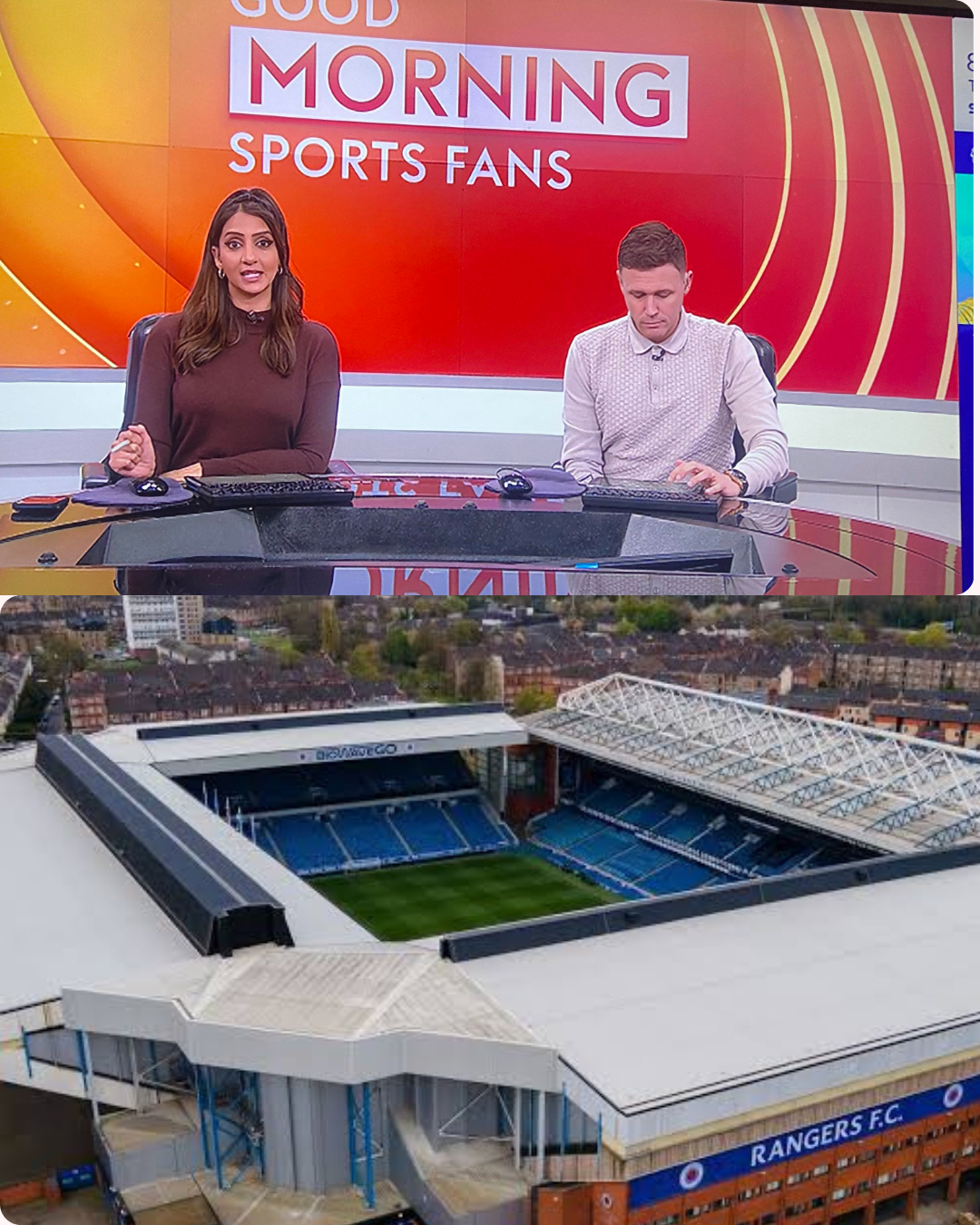
Nicolas Raskin’s anticipated departure from Rangers Football Club to Spanish La Liga club Villarreal represents considerably more than routine midfielder relocation. Rather, the Belgian midfielder’s £17 million transfer—reportedly nearing completion following Villarreal’s positioning in pole position ahead of competing institutional interest—constitutes significant strategic watershed moment for Rangers and concludes a consequential three-and-a-half-year institutional relationship that has encompassed multiple managerial regimes, evolving squad compositions, and shifting organizational priorities.
Raskin’s emergence as genuine transfer target for elite European institutions reflects genuine accomplishment within contemporary football’s competitive landscape. The 25-year-old midfielder’s establishment as sufficiently attractive prospect to merit £17 million valuation and competing institutional interest from prestigious alternatives—including Hull City and reported Manchester United consideration—demonstrates that Rangers’ original investment in the Belgian midfielder has generated meaningful competitive return and established the player as legitimate elite prospect capable of competing effectively within Europe’s most demanding contexts.
The convergence of multiple competing offers, ranging from Hull City’s apparently insufficient £12-14 million proposal to Villarreal’s more compelling financial package, illuminates contemporary transfer market dynamics and the sophisticated valuation assessments that determine player asset movement within elite football structures. Raskin’s transfer simultaneously represents Rangers’ successful player development and commercial value realization while marking the departure of an established institutional figure whose contributions have meaningfully influenced the Glasgow club’s competitive standing throughout the three-and-a-half-year period.
This comprehensive examination explores the multifaceted dimensions of Raskin’s transfer situation, analyzes his Rangers career trajectory and competitive contributions, investigates the competing institutional interests surrounding his departure, and contextualizes his anticipated Villarreal relocation within broader strategic implications for Rangers and the Belgian midfielder’s elite-level career progression.
Nicolas Raskin’s Rangers journey commenced in January 2023 when the Belgian midfielder arrived from Standard Liege, representing institutional investment in continental talent acquisition designed to strengthen Rangers’ midfield infrastructure. The transfer to Glasgow represented significant career progression for Raskin, providing opportunity for elite-level competition participation within Scottish Premiership contexts and positioning him within genuinely competitive institutional frameworks.
The timing of Raskin’s arrival—January 2023—positioned the midfielder within Rangers’ squad during established managerial regime transition period. The Belgian’s integration coincided with institutional focus upon squad development and midfield reinforcement, establishing him as meaningful contributor toward Rangers’ competitive objectives during crucial institutional period.
Raskin’s subsequent three-and-a-half-year Rangers career has generated substantial competitive evidence regarding his genuine capabilities and elite-level potential. The accumulation of 145 appearances in Rangers colors represents meaningful competitive exposure enabling comprehensive assessment of the midfielder’s technical capabilities, tactical consistency, and competitive reliability.
These 145 appearances span multiple competitive seasons, numerous managerial regimes, and evolving squad compositions. Rather than benefiting from singular exceptional campaign, Raskin has apparently maintained relatively consistent competitive standing across extended timeframe—evidence suggesting genuine quality sustainability rather than temporary performance flourish.
The Belgian midfielder’s establishment as reliable Rangers contributor—capable of accumulating meaningful minutes across multiple seasons despite squad composition changes and organizational transitions—reflects genuine competitive capability and tactical versatility enabling effective performance within varying institutional contexts and managerial frameworks.
Nicolas Raskin’s recent representation of Belgium at the World Cup represents significant career achievement and international recognition validating his elite-level competitive standing. The midfielder’s World Cup participation—competing for Belgium during what represents football’s ultimate competitive stage—demonstrates that elite national team structures have recognized Raskin as sufficiently capable to merit international selection alongside other genuinely elite performers.
This international recognition carries substantial significance regarding competitive market assessment. Players receiving World Cup participation opportunities and demonstrating competitive capability at that level typically experience enhanced market valuation and increased competing institutional interest. The visibility and competitive credibility established through World Cup participation frequently generates additional transfer market interest from institutions previously uncertain regarding players’ elite-level capabilities.
For Raskin specifically, World Cup performance apparently enhanced his competitive profile and transferred market visibility. Rather than merely maintaining previous competitive standing, the Belgian midfielder’s World Cup involvement apparently generated organizational recognition and competing institutional interest that would not have materialized without that elite-level exposure.
Transfer Insider Pete O’Rourke’s assessment that Raskin’s “World Cup performances” have “enhanced his reputation and brought more eyes onto the midfielder” reflects realistic understanding of international competition’s influence upon transfer market dynamics and competitive valuation assessments. Elite-level international exposure frequently functions as marketplace validation mechanism—demonstrating to competing institutions that players possess genuine elite-level capability warranting substantial financial commitment.
Raskin’s transfer situation encompasses competing institutional interest from multiple elite contexts, representing different competitive frameworks and institutional opportunity profiles. This multi-party competitive interest reflects genuine market recognition that Raskin possesses sufficient quality to merit acquisition investment from genuinely competitive institutions.
Hull City’s reported interest—apparently including financial proposals ranging between £12-14 million—represents English Premier League institutional perspective. The newly promoted Hull club’s interest in midfielder acquisition reflects organizational strategy to strengthen squad composition following Premier League advancement. However, Hull’s apparent valuation ceiling—apparently insufficient to satisfy Rangers’ £17 million aspirations—suggests that while the English club recognized Raskin’s quality, the institution’s financial assessment determined that alternative investment represented more optimal resource allocation.
Manchester United’s reported interest—cited by the Daily Record—represents substantially more prestigious institutional context with correspondingly enhanced financial resources and competitive prestige. A transfer to Manchester United would represent significant career progression for Raskin, providing opportunity within elite English football contexts and positioning him within one of world football’s most commercially prominent and competitively powerful institutions.
However, the reporting’s suggestion that Manchester United’s concrete interest remains less definitive than Hull City or Villarreal approaches suggests that while Red Devils reconnaissance may have occurred, substantive acquisition commitment apparently has not materialized. The absence of formal bid submission or competitive offer apparently indicates either Manchester United organizational hesitation regarding Raskin’s suitability or competing priorities directing institutional resources toward alternative recruitment targets.
Villarreal’s positioning as transfer “pole position” holder reflects the Spanish La Liga club’s apparent most compelling offer structure and organizational commitment to Raskin acquisition. The reported £17 million financial commitment—substantially exceeding Hull City’s proposals—suggests Villarreal has established superior financial terms enabling institutional confidence regarding transaction completion.
Villarreal’s acquisition interest positions Raskin within La Liga competitive framework—Spain’s elite domestic competition characterized by technical sophistication, tactical organization, and established European football participation. The Spanish league represents authentic elite-level competition providing opportunities for meaningful European football engagement and competition against genuinely elite opposition.
For Raskin specifically, La Liga transition represents career progression opportunity alongside elite competition exposure. Rather than remaining within Scottish Premiership context, the Belgian midfielder would transition toward demonstrably more technically sophisticated and internationally prominent competitive environment. La Liga’s status as elite European league and Villarreal’s regular Champions League participation provide competitive contexts enabling Raskin’s continued elite-level performance exposure.
Villarreal’s institutional standing—a historically respectable Spanish club with consistent European football participation—offers appropriate institutional context for midfielder development and competition. Rather than transferring to peripheral European league positioning, Raskin would transition toward genuinely elite competitive context enabling continued progression toward potentially even more distinguished institutional opportunities.
The £17 million fee apparently accepted by Rangers regarding Raskin’s Villarreal transfer represents meaningful valuation reflecting the midfielder’s market standing and competitive profile assessment. For context, £17 million represents substantial investment for midfielder of Raskin’s age and experience profile—the financial commitment reflecting genuine institutional belief that Raskin possesses elite-level potential justifying premium investment.
The fee structure—apparently including potential performance-based add-ons enabling fee escalation should Raskin establish himself meaningfully at Villarreal—reflects contemporary transfer market sophistication. Rather than fixed-fee transactions, modern elite transfers increasingly incorporate performance incentives enabling valuation adjustment reflecting actual competitive realization of player potential.
For Rangers specifically, the £17 million fee represents successful commercial asset realization. The Belgian midfielder’s original acquisition cost—presumably substantially lower than the anticipated £17 million departure fee—enables Rangers to realize significant profit through player development and competitive establishment enabling market valuation increase.
This financial outcome reflects successful Rangers recruitment strategy and player development approach. By acquiring Raskin at lower initial valuation, providing competitive opportunity enabling performance establishment, and subsequently facilitating elite-level transfer generating substantially enhanced financial return, Rangers have effectively generated significant profit through strategic investment and development execution.
The profit realization carries strategic implications beyond merely financial dimension. Successful player acquisitions generating significant resale profits typically enhance institutional confidence regarding recruitment capabilities and attract potential players seeking institutional platforms enabling professional progression and eventual elite-level relocation.
Raskin’s anticipated departure must be contextualized within Rangers’ broader midfield reconstruction strategy apparently involving systematic midfielder acquisition and squad reorientation. The convergence of Raskin’s outgoing transfer with simultaneous acquisition of multiple midfield prospects—including Vanja Dragojevic, Jens Hjerto-Dahl, and potentially others—suggests deliberate institutional strategy regarding midfield composition evolution.
Rather than representing organizational failure regarding Raskin retention, the midfielder’s departure apparently reflects strategic institutional determination to evolve midfield composition toward configurations aligning with Derek McInnes’ tactical philosophy and contemporary competitive requirements. The deployment of Raskin transfer proceeds toward alternative midfield acquisitions suggests Rangers’ hierarchy have consciously determined that squad reconstruction involves strategic personnel reorientation beyond merely singular player retention or departure.
The reported utilization of Raskin’s transfer proceeds to finance acquisitions like Hjerto-Dahl and Dragojevic demonstrates sophisticated financial planning wherein elite player departures generate resources enabling alternative squad investment. This financial model—converting established performer departure proceeds toward emerging talent acquisition—reflects increasingly common institutional strategy wherein elite clubs systematically refresh squad composition through strategic asset sales enabling targeted recruitment investment.
Hull City’s reported interest in Raskin—apparently including financial proposals within £12-14 million range—reflects the newly promoted Premier League club’s squad development strategy and financial reality. The English club’s interest recognizes Raskin’s quality and competitive standing, yet the apparently insufficient valuation ceiling suggests organizational assessment that alternative investment represents more optimal resource allocation.
Hull’s financial proposal range—substantially below Villarreal’s £17 million offer—reflects realistic assessment of Premier League recruitment financial parameters for established midfielders of Raskin’s profile. While Hull possess Premier League revenue enabling substantial investment, the club apparently determined that Raskin acquisition would not justify the financial commitment relative to alternative recruitment options.
This valuation differential—the £3+ million gap between Hull’s apparent maximum and Villarreal’s agreed figure—reflects interesting competitive dynamic wherein Spanish institutional interest generated superior financial terms than English alternative. The outcome suggests that Villarreal organizational priority regarding Raskin’s acquisition apparently exceeded Hull’s assessment of the midfielder’s importance to institutional objectives.
For Hull specifically, the failure to secure Raskin apparently prompted pursuit of alternative midfield targets, with the club reportedly considering “Lorient’s Arthur Avom, Eintracht Frankfurt’s Éric Junior Dina Ebimbe and ex-Tiger Oscar Zambrano” as alternative options. This strategy suggests Hull’s institutional approach involves pursuing multiple alternative targets rather than establishing singular fixation upon unattainable objectives.
The Daily Record’s reference to Manchester United interest in Raskin introduces additional complexity regarding competing institutional interest and potential elite-level recruitment consideration. However, the apparent absence of formal bid submission or concrete negotiation suggestion indicates that Manchester United’s interest—while potentially genuine—has not translated into substantive acquisition commitment.
Possible explanations for Manchester United’s apparent reconnaissance without firm commitment include: competing midfield priorities directing organizational resources toward alternative targets; organizational hesitation regarding Raskin’s suitability within Manchester United’s tactical frameworks; or competing financial priorities requiring resource allocation toward alternative positions.
The absence of definitive Manchester United acquisition pursuit suggests that while elite English clubs may recognize Raskin’s quality, the midfielder’s ultimate transfer destination apparently benefited from Villarreal’s more decisive institutional commitment and apparently superior financial terms enabling transaction completion before competing institutions could establish sufficient acquisition momentum.
Raskin’s contract status—reportedly featuring two years remaining at Rangers—represents meaningful consideration within transfer negotiations and institutional strategic positioning. The remaining contractual commitment period enables Rangers to maintain negotiating leverage regarding outgoing transfer terms while establishing security regarding potential fee generation.
The two-year remaining contract distinguishes Raskin’s situation from players approaching contract conclusion, whose departures would occur within seasons regardless of organizational preferences. Conversely, Raskin’s contractual status enables Rangers to establish financial parameters governing any prospective departure and maintain institutional control regarding transfer timing and compensation structure.
The successful negotiation of £17 million compensation despite two years remaining contract reflects Rangers’ negotiating discipline and strategic firmness regarding valuation expectations. Rather than accepting substantially reduced fees reflecting truncated contract circumstances, Rangers apparently maintained confident institutional positioning enabling achievement of substantial financial compensation.
Raskin’s anticipated Villarreal relocation represents meaningful career progression within elite European football contexts. The 25-year-old midfielder’s transition from Rangers toward La Liga competition—combined with Villarreal’s regular Champions League participation—provides elite-level competitive platform potentially enabling continued professional development and progression toward increasingly prestigious institutional opportunities.
For Raskin specifically, the Villarreal opportunity represents realistic career advancement enabling elite-level performance demonstration and potential subsequent transfer progression toward even more distinguished European institutions. Rather than representing career plateau, the La Liga relocation facilitates continued competitive development and establishment within European football’s highest competitive contexts.
The midfielder’s established World Cup participation demonstrates capability to perform effectively at elite-level competition. Villarreal’s elite institutional standing and Champions League participation provide framework enabling Raskin to translate international success into sustained elite-level club performance.
Raskin’s three-and-a-half-year Rangers tenure represents meaningful institutional period encompassing multiple competitive seasons, evolving squad compositions, and shifting organizational circumstances. The Belgian midfielder’s consistency in maintaining competitive standing throughout this extended period reflects genuine professional quality and tactical adaptability enabling effective performance across varying institutional contexts.
The 145 competitive appearances accumulated demonstrate substantive institutional contribution beyond merely peripheral squad involvement. Rather than functioning as fringe option, Raskin apparently established himself as meaningful contributor to Rangers’ competitive frameworks across extended timeframe.
This extended Rangers period—while ultimately concluding through Villarreal relocation—represents positive institutional experience for both player and club. Rangers successfully integrated continental talent, provided elite-level performance opportunity, facilitated international recognition establishment, and generated significant financial return through strategic player development and market valuation realization.
For Raskin personally, the Rangers experience provided crucial elite-level competition exposure enabling professional development and international recognition achievement. The Scottish institution functioned as appropriate stepping stone within his career trajectory—enabling performance demonstration and elite-level establishment facilitating subsequent progression toward more prestigious European opportunities.
Raskin’s transfer situation illuminates broader contemporary transfer market characteristics and sophisticated financial mechanisms governing elite player movement. The convergence of multiple competing institutional interest, sophisticated fee structures incorporating performance incentives, and strategic alignment between institutional objectives and player career aspirations reflect modern elite football’s complex transfer market operations.
The ability to attract competing institutional interest from prestigious clubs—including Premier League representatives and elite La Liga institutions—demonstrates that Rangers’ player development and institutional environment have successfully attracted elite talent capable of establishing themselves at truly competitive levels. Rather than merely representing Scottish football participant, Raskin’s career progression suggests Rangers have functioned effectively as developmental platform facilitating elite-level establishment.
Raskin’s successful development at Rangers and subsequent elite-level transfer creates positive institutional precedent potentially enhancing Rangers’ future recruitment attractiveness. Elite prospects evaluating institutional options recognize that Rangers have successfully developed players enabling subsequent progression toward elite European opportunities.
This precedent—demonstrating that Rangers provides competitive platform enabling elite-level establishment and potential subsequent prestigious relocation—carries recruitment implications extending beyond merely Raskin’s departure. Rather, the successful outcome enhances Rangers’ institutional positioning as developmental platform for ambitious young talent seeking elite-level career progression pathways.
Nicolas Raskin’s anticipated £17 million departure to Villarreal represents considerably more than routine midfielder relocation. Rather, the transfer constitutes meaningful conclusion to three-and-a-half-year Rangers relationship encompassing substantial professional achievement and mutual institutional-player benefit realization.
For Rangers, Raskin’s departure enables strategic midfield reconstruction through deployment of transfer proceeds toward alternative acquisition investments reflecting Derek McInnes’ squad development vision. Rather than representing organizational failure regarding player retention, the transfer reflects institutional determination to systematically evolve squad composition toward configurations optimally aligned with contemporary competitive requirements.
For Raskin personally, the Villarreal relocation represents legitimate career progression facilitating continued elite-level competition exposure and establishment within genuinely prestigious European contexts. The Belgian midfielder’s trajectory—from Standard Liege through Rangers toward La Liga—demonstrates realistic elite-level career development pathway enabled through strategic institutional engagement and competitive opportunity provision.
The competing institutional interest—including Hull City and Manchester United reconnaissance—reflects genuine market recognition of Raskin’s quality and elite-level potential. Rather than representing solitary institutional interest, the multiple competing bids validate that Raskin has established himself as genuinely competitive asset worthy of elite institutional investment.
As Rangers implement broader midfield reconstruction strategy and Raskin commences his La Liga experience, both parties presumably enter forthcoming competitive phases with confidence regarding mutual benefit realization through three-and-a-half years of institutional partnership. Raskin’s development trajectory and subsequent elite-level relocation represents successful outcome for Rangers’ player development capabilities, while simultaneously enabling the Belgian midfielder’s continued professional progression toward increasingly distinguished European opportunities.
The transfer concludes a meaningful institutional relationship while simultaneously inaugurating fresh competitive chapters for both player and club. For Rangers, the departure facilitates strategic reconstruction enabling alternative squad investment. For Raskin, the relocation enables elite-level career advancement and establishment within genuinely prestigious European contexts. The mutual benefit outcome reflects successful transfer orchestration wherein all parties achieve institutional or personal objectives through collective engagement and strategic decision-making execution.