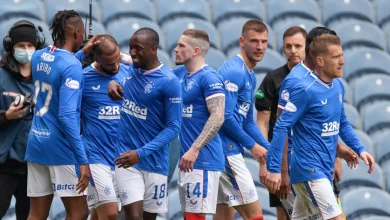
Rangers Football Club confronts a genuinely catastrophic injury crisis that threatens to fundamentally undermine the institution’s competitive objectives and strategic squad development initiatives. The convergence of multiple simultaneous muscle injuries affecting key defensive personnel, combined with concerning physical setbacks affecting emerging young talent, has created circumstances wherein the Glasgow institution faces genuine risk of substantial competitive disruption during precisely the campaign period when competitive momentum typically intensifies toward crucial closing sequences.
The injury crisis encompasses multiple dimensions of institutional concern. Most immediately, the absence of established defensive personnel—John Souttar, Derek Cornelius, and the continued uncertainty surrounding Youssef Chermiti—creates defensive infrastructure complications that directly threaten Rangers’ capacity to maintain competitive standards within the Scottish Premiership’s demanding competitive environment. Beyond immediate competitive concerns, the injuries afflicting young emerging talent like Bailey Rice raise broader questions regarding institutional player development pathway integrity and realistic assessment of youth integration timelines.
Head coach Danny Rohl’s public acknowledgment of the multifaceted injury complications reflects transparency regarding institutional circumstances and realistic assessment of competitive challenges. Rather than minimizing injury impact or providing misleading optimism, Rohl has communicated clearly regarding player availability status, realistic recovery timelines, and organizational commitment to navigating the crisis through alternative personnel deployment and tactical adaptation.
This comprehensive examination explores the multifaceted dimensions of Rangers’ injury crisis, analyzes specific player circumstances and realistic recovery projections, investigates tactical implications of key personnel absence, and examines Danny Rohl’s strategic approach to maintaining competitive viability despite extraordinary personnel challenges.
The emergence of substantial injuries immediately following the international break represents particularly unfortunate timing within competitive season calendars. International football participation—while providing valuable competitive experience and national team contribution opportunity—frequently creates injury risk circumstances that domestic club competition cannot fully control.
Rohl’s explicit observation that Rangers “had nearly no injuries” before the international break directly contrasts with the subsequent emergence of multiple simultaneous muscle injuries affecting key personnel. This sudden transition from relative injury-free status to acute personnel depletion suggests that international football engagement—with its compressed fixture scheduling, travel complications, and intensive physical demands—created circumstances enabling injury development that might otherwise have remained prevented.
The particular prevalence of muscle injuries—affecting Souttar, Cornelius, Moore, Rice, and others—suggests common causative factors potentially related to intensity escalation, insufficient recovery provision, or inadequate injury prevention protocols during international competition engagement. Rather than isolated injury incidents reflecting purely individual player vulnerability, the muscle injury pattern suggests systemic factors potentially related to international football contexts themselves.
For Rangers specifically, this timing creates institutional complications. The squad had apparently maintained reasonable injury management throughout early season competition. The subsequent emergence of multiple simultaneous injuries represents substantial disruption to established organizational rhythms and competitive planning frameworks.
John Souttar’s muscle injury represents particularly significant institutional loss, given the centre-back’s established status within Rangers’ defensive framework and apparent role as key organizational figure within defensive structures. Souttar occupies crucial position within Rangers’ squad composition—an established, reliable defender upon whom the institution has invested competitive confidence and tactical reliance.
Rohl’s cautious projection regarding Souttar’s return—”hoping” the centre-back features again before 2025’s conclusion—indicates potential extended absence spanning potentially weeks rather than days. The qualification that muscle injuries involve inherent unpredictability—potentially requiring “25 days” or “40 days” recovery depending on injury severity—reflects realistic assessment of muscle injury recovery’s uncertain trajectory.
The suggestion that Souttar might return before December’s conclusion represents optimistic projection acknowledging substantial recovery timeframe requirement. For context, muscle injuries of sufficient severity to incapacitate elite football performers typically require minimum 3-4 week recovery periods, with substantial injuries potentially requiring 6-8 weeks or longer depending on anatomical location and injury severity specifics.
Souttar’s potential absence during November-December competitive period creates significant defensive complications. The centre-back’s established relationship with co-defenders, his understood positional responsibilities, and his tactical familiarity within Rangers’ defensive structures provide competitive value beyond merely physical presence. His absence requires tactical adaptation and partner-defender reorientation—complications extending beyond merely substituting alternative personnel.
Derek Cornelius’ situation presents particularly concerning complications given Rohl’s explicit acknowledgment that the defender “has to go to a specialist, again with a muscle injury” and the manager’s expressed doubt regarding four-to-five week recovery possibility. The requirement for specialist medical intervention suggests injury complexity exceeding standard muscle injury trauma.
Rohl’s frank assessment—acknowledging that Cornelius’ injury “could be a serious one, a big one” and that recovery “could be longer”—communicates genuine organizational uncertainty regarding the defender’s return timeline. Rather than providing false optimism, the manager has apparently determined that transparent communication regarding injury severity serves institutional and player interests through establishing realistic expectations.
The “again with a muscle injury” reference suggests Cornelius has encountered previous muscle injury complications, potentially indicating predisposition toward muscular injury or previous injury incompleteness creating vulnerability toward recurring trauma. This historical context raises questions regarding whether specialist medical assessment will reveal underlying structural issues requiring extended rehabilitation or surgical intervention.
The realistic possibility of Cornelius remaining unavailable for extended periods—potentially extending through December and potentially beyond—creates substantial defensive depletion when combined with Souttar’s concurrent absence. The simultaneous unavailability of two established centre-backs creates circumstances wherein Rangers’ defensive infrastructure faces genuine crisis requiring emergency personnel deployment.
Mikey Moore’s muscle injury carries different implications than Souttar or Cornelius injuries, given the young winger’s developmental stage and recent loan integration circumstances. Moore’s involvement in Rangers’ squad—acquired through loan arrangement from Tottenham—represents investment in young talent development and rotational option provision.
The muscle injury necessitating extended absence during Moore’s crucial early loan period creates particularly frustrating circumstances. Young players on temporary arrangements require consistent competitive exposure enabling rapid institutional adaptation and development progression. Substantial injury absence disrupts this critical integration timeline, reducing the loan arrangement’s value and complicating young talent developmental pathways.
Rohl’s projection that Moore might return before 2025’s conclusion—matching Souttar’s optimistic timeline—suggests injury severity assessment indicates potentially shorter recovery requirement than Cornelius injuries. However, the muscle injury classification maintains inherent recovery timeline unpredictability even within apparently less severe circumstances.
For Moore specifically, the injury creates unfortunate timing within his Rangers experience. Rather than accumulating consistent minutes enabling rapid development progression, the young winger faces extended rehabilitation period and subsequent tactical reintegration requirements. The lost development time during his loan window represents particularly valuable period for young talent integration and establishment.
Youssef Chermiti’s injury status—characterized as “a big question mark” following “a kick” received during international football—presents acute availability complications for Rangers’ immediate competitive requirements. Unlike the muscle injuries affecting other personnel, Chermiti’s injury involves trauma-based injury (kick-inflicted damage) carrying different recovery characteristics than gradual muscle strain injuries.
Rohl’s uncertainty regarding Chermiti’s availability for the Livingston fixture suggests injury assessment remains incomplete, with final competitive clearance status pending additional medical evaluation. The striker’s potential absence from immediate weekend fixture would represent significant tactical concern given Rangers’ offensive requirements and Chermiti’s established importance within attacking frameworks.
The characterization of Chermiti as “a big question mark” reflects genuine uncertainty regarding both injury severity and realistic recovery timeline. Rather than confirming unavailability, Rohl has appropriately maintained assessment openness pending additional medical information. The striker’s ultimate competitive status will likely remain uncertain until immediately preceding competitive fixture preparation.
Bailey Rice’s situation differs markedly from the other injury circumstances, given the midfielder’s youth-oriented status and the suggestion that he will be “out for a long while” following surgical intervention for a training-inflicted muscle injury. Rice’s injury carries particular developmental implications given his young career stage and the suggestion that surgical intervention has been required.
The specification that Rice sustained injury “last week in the training” and that he “‘ll be out for a long while” following surgery indicates injury severity exceeding typical muscle injury circumstances. The surgical requirement suggests structural damage requiring operative intervention—a distinction carrying substantially extended recovery timelines compared to non-operative muscle injuries.
For Rangers specifically, Rice’s extended absence removes young midfielder prospect from competitive consideration during crucial developmental period. Rather than accumulating minutes enabling progressive establishment, Rice faces potentially months-long rehabilitation period and subsequent return-to-competition reintegration requirements.
Rohl’s frank acknowledgment regarding Rice’s extended absence reflects transparent communication regarding realistic injury impact. Young player injuries requiring surgical intervention frequently necessitate 3-6 month minimum recovery timelines depending on surgical complexity and post-operative rehabilitation requirements. Rice’s injury likely removes the young midfielder from meaningful competitive consideration through substantial portions of the remainder of the competitive season.
Liam Kelly’s unrevealed muscular complication creates additional goalkeeper contingency concern. While primary goalkeeper status remains unaffected (presumably maintained by incumbent goalkeeper), back-up goalkeeper availability complications create competitive resilience concerns regarding goalkeeping position depth.
The characterization of Kelly’s status as “a big question mark” reflects genuine uncertainty regarding the reserve goalkeeper’s availability. Should the primary goalkeeper suffer injury requiring absence, Kelly’s contingency availability becomes critical organizational consideration. The uncertainty regarding Kelly’s status creates recruitment complexity if additional goalkeeping reinforcement becomes necessary.
For Rangers’ competitive planning, goalkeeper position depth represents important organizational consideration often overlooked within broader squad analysis. Elite institutions require reliable back-up goalkeeping availability enabling emergency coverage should primary goalkeeper encounter injury complications. Kelly’s injury complicates this contingency planning through introducing uncertainty regarding reserve goalkeeper deployment viability.
The convergence of Souttar and Cornelius simultaneous injuries creates particularly significant defensive infrastructure complications given their dual status as established centre-back options. The absence of both established centre-backs creates circumstances wherein Rangers’ defensive leadership appears substantially depleted.
Rohl’s acknowledgment that “the absence of Cornelius and Souttar leaves Nasser Djiga as Rangers’ only other regularly selected central defender” reveals the acute severity of defensive personnel depletion. The reliance upon Nasser Djiga as primary remaining established centre-back option during absence of two key defenders creates considerable defensive responsibility concentration upon singular player.
The suggestion that “captain and right-back James Tavernier has filled in at centre-back in the past” indicates tactical contingency planning. However, converting established full-back into emergency centre-back position creates tactical imbalances and defensive reorganization requirements potentially complicating overall defensive structure coherence.
Emmanuel Fernandez’s limited involvement—reportedly playing “three times since his summer arrival, scoring once”—suggests he has not yet established reliability status within defensive frameworks. Rather than functioning as primary defensive option, Fernandez occupies developmental position requiring continued tactical integration and establishment. Reliance upon partially integrated defender as primary emergency centre-back option carries correspondingly elevated tactical risk.
The overall defensive situation reflects acute institutional vulnerability. With established centre-backs unavailable and emerging defenders not yet fully established, Rangers’ defensive infrastructure faces genuine test regarding capacity to maintain competitive standards during extended key personnel absence.
Rohl’s strategic communication regarding injury circumstances includes important recognition that disruption circumstances simultaneously create developmental opportunities for alternative personnel. The manager’s statement that “it’s now also an opportunity to step up” reflects pragmatic understanding that injuries—while frustrating—create competitive opportunity for squad members typically occupying peripheral positions.
This solution-focused perspective represents sophisticated managerial approach. Rather than merely lamenting personnel unavailability, Rohl has apparently determined that acknowledging opportunity creation serves motivational and tactical planning purposes. Players receiving unexpected competitive opportunity due to injury circumstances frequently demonstrate elevated performance motivation and enhanced competitive commitment.
The manager’s reference to having had “some good conversations the last couple of days with some other players” suggests proactive engagement with personnel who will assume expanded responsibilities. This communication approach—establishing clear expectations, acknowledging heightened responsibilities, and creating psychological framework for expanded opportunity engagement—represents fundamental managerial responsibility during injury crisis periods.
Rohl’s characterization of recovery timeline uncertainties—acknowledging that muscle injuries “could be 25 days, it could be 40 days” and that recovery “you never know”—reflects genuine medical uncertainty regarding muscle injury recovery progression. This honest acknowledgment of recovery unpredictability serves important institutional purpose through establishing realistic expectations rather than false optimism.
The practical implications of these recovery timelines deserve careful consideration. A 25-day recovery would suggest injured personnel might return shortly after December’s commencement. Conversely, 40-day recovery would extend absences well into December, potentially creating circumstances wherein injured personnel miss crucial competitive fixtures during campaign’s intensifying phase.
For Cornelius specifically, Rohl’s expressed doubt regarding four-to-five week recovery timelines suggests potential extended absence substantially beyond typical muscle injury parameters. Should specialist consultation reveal structural complications requiring extended rehabilitation or surgical intervention, recovery timelines could extend to 8+ weeks, removing the defender from meaningful competition through January and potentially beyond.
Rohl’s reference to injury emergence following the international break illuminates recurring tension within modern football between club and national team obligations. International football participation creates injury risk that domestic club competition cannot fully control, while simultaneously representing valuable competitive experience and national duty.
For Rangers specifically, the convergence of multiple muscle injuries post-international break suggests that international football intensity, travel complications, or inadequate recovery provision created conditions enabling injury development. This pattern—injury emergence following international breaks—represents sufficiently common occurrence that institutional protocols warrant examination regarding whether pre-break intensity management or post-break recovery provisions require optimization.
The tension between club and national team represents acknowledged reality within modern football. Elite players encounter conflicting demands regarding domestic competitive commitment and international football participation. Injury circumstances like Rangers’ current situation illustrate the practical complications these competing demands create.
The loss of established defensive personnel creates immediate tactical adaptation requirements. Rohl must reconfigure defensive structures, potentially adjusting formation configurations or defensive positioning approaches to accommodate personnel unavailability while maintaining competitive functionality.
Possible tactical responses could include: defensive formation adjustment (potentially shifting from established defensive structure toward alternative configuration); full-back responsibility modification (expanding full-back defensive contribution to compensate for centre-back unavailability); or midfield defensive responsibility enhancement (shifting midfield personnel toward more defensive-oriented positioning to provide defensive support).
These tactical adaptations represent substantive complications extending beyond merely substituting alternative personnel. Formation adjustments create cascading complications affecting positioning, tactical responsibilities, and team coordination patterns developed through pre-season preparation and early season competitive execution.
The Livingston fixture—scheduled for Saturday at Ibrox—represents immediate competitive challenge requiring tactical implementation despite personnel unavailability complications. Rather than maintaining established tactical frameworks, Rohl must construct competitive approach accommodating defensive depletion while attempting to maintain competitive standards.
Beyond the immediate Livingston fixture, Rangers’ competitive trajectory throughout November-December campaign period faces genuine uncertainty given defensive infrastructure complications. The convergence of multiple defender absences during campaign’s intensifying phase creates institutional risk regarding competitive performance maintenance.
Should Rangers encounter unexpected competitive difficulties during this period—potentially including unexpected defeats or competitive setbacks—the injury complications provide contextual perspective regarding performance deterioration causation. Rather than indicating fundamental tactical or organizational inadequacy, competitive complications would reflect realistic injury impact upon squad composition and defensive capability maintenance.
The injuries affecting young emerging talent—particularly Bailey Rice—create concerning implications regarding youth development pathway integrity. Young players require consistent competitive exposure enabling gradual establishment and tactical development. Extended injury absences disrupt this crucial development timeline and complicate realistic assessment regarding ultimate competitive potential.
Rice’s extended absence—resulting from surgical requirement—removes the young midfielder from meaningful competitive consideration during crucial developmental period. Rather than accumulating minutes enabling progressive establishment, Rice faces rehabilitation focus and subsequent return-to-competition requirements. The lost competitive development time represents particularly valuable resource for young player progression.
The emergence of multiple simultaneous muscle injuries raises implicit questions regarding institutional medical protocols, injury prevention emphasis, and physical conditioning approaches. While individual muscle injuries occur universally within elite football, the convergence of multiple muscle injuries affecting various personnel suggests potential systemic factors warranting examination.
Possible considerations could include: pre-season physical conditioning emphasis adequacy, intensity escalation management during competitive campaign, recovery provision optimization, or stretching/flexibility protocol effectiveness. Rather than merely treating injury consequences, sophisticated institutions continuously examine causative factors enabling prevention protocol refinement.
Rohl’s transparency regarding injury circumstances and recovery uncertainty appears appropriate. However, institutional commitment to identifying systemic improvement opportunities—should patterns emerge suggesting preventable causative factors—represents important long-term strategic consideration.
The substantial defender unavailability raises implicit questions regarding whether emergency recruitment reinforcement becomes strategically necessary. While mid-season permanent acquisitions typically prove complicated within competitive season contexts, the acute nature of current defensive depletion might warrant contingency recruitment consideration.
However, Rohl’s solution-focused perspective and emphasis upon existing personnel development suggests the manager believes Rangers can navigate current injury circumstances through tactical adaptation and available personnel utilization. This organizational confidence in existing resources reduces urgency regarding emergency mid-season recruitment.
## Conclusion: Crisis Management and Institutional Resilience Testing
Rangers’ current injury crisis represents significant institutional challenge testing organizational capacity for crisis management and competitive resilience during genuinely adverse circumstances. The convergence of multiple simultaneous injuries affecting key defensive personnel, combined with emerging talent injuries disrupting developmental pathways, creates multifaceted institutional complications extending beyond merely tactical fixture-specific challenges.
Danny Rohl’s transparent communication regarding injury severity, realistic recovery timelines, and acknowledgment of uncertainty reflects appropriate managerial approach. Rather than providing misleading optimism or minimizing injury impact, the manager has communicated clearly regarding actual circumstances and competitive implications.
The injury crisis simultaneously creates both challenge and opportunity. The immediate competitive challenge involves maintaining organizational standards despite defensive infrastructure depletion. The broader opportunity involves enabling alternative personnel to demonstrate competitive capability and establish themselves within squad hierarchies through unexpected competitive opportunity.
The forthcoming weeks will reveal whether Rangers can navigate the injury crisis through tactical adaptation and available personnel optimization or whether personnel unavailability creates competitive disruptions enabling competitive standings deterioration. For now, the institution confronts genuine test regarding resilience, tactical flexibility, and organizational capacity to maintain competitive viability despite extraordinary personnel challenges.
The injury circumstances represent reminder that modern elite football remains fundamentally dependent upon player availability and physical fitness circumstances frequently extending beyond institutional control. The success or failure of Rangers’ injury navigation will substantially influence competitive trajectory and ultimate campaign achievement realization during what was projected as potentially significant competitive year.