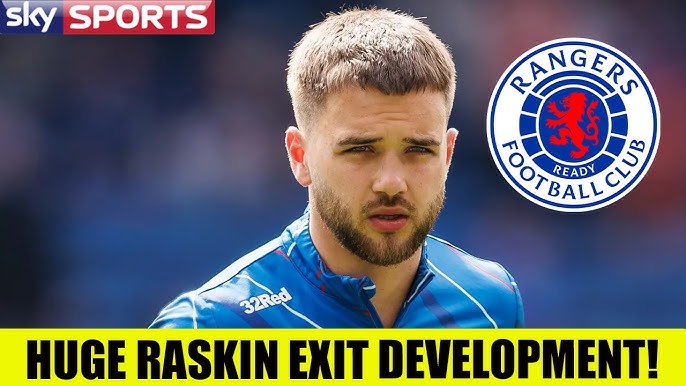
Rangers could be facing a major decision over Nicolas Raskin’s future, with an expert claiming the Ibrox club may have “no choice” but to accept a lower offer for the Belgian midfielder. Raskin has become one of the most valuable players in the Rangers squad, and his performances have attracted attention from clubs outside Scotland. However, the club’s reported asking price has so far made a potential transfer difficult to complete. Rangers would ideally like to keep the midfielder, but they must also consider the financial implications of allowing his contract situation to run down. The coming weeks could therefore be crucial as the club decides whether to stand firm on its valuation or compromise in order to secure a substantial transfer fee.
Raskin’s future has been one of the major talking points surrounding Rangers this summer. The Belgian has established himself as an important player in midfield and has continued to attract interest after gaining valuable international experience. His performances have helped increase his reputation, while his age means that potential buyers could view him as an investment rather than simply an experienced player. Rangers know they possess an asset with significant value, but the challenge is turning that value into an offer that satisfies the club. If interested teams refuse to meet the asking price, Rangers may eventually have to reassess their position.
The situation becomes even more complicated because of Raskin’s contract. Rangers need to consider what happens if the midfielder remains at Ibrox without agreeing a new deal. As a player moves closer to the final year of his contract, the selling club generally loses some of its negotiating power. Potential buyers know they can wait and potentially secure a player for a smaller fee later. Rangers therefore have to decide whether the opportunity to receive a large transfer fee now is more valuable than keeping Raskin for another season.
The midfielder’s importance to the team cannot be ignored. Raskin has developed into a player capable of influencing matches through his energy, passing, ball recovery and ability to move possession forward. Losing him would create a significant hole in McInnes’ midfield, particularly because Rangers have already undergone a major squad rebuild. The manager has had to integrate several new players, and removing another established figure could create additional instability. That is why a potential sale would need to be carefully considered rather than simply accepted because a large offer arrives.
At the same time, Rangers have financial responsibilities that cannot be ignored. A substantial sale could provide the club with funds to strengthen several other areas of the squad. Rather than replacing Raskin with one expensive midfielder, Rangers could potentially use the money to improve multiple positions. That is one of the strongest arguments for accepting a transfer if the right offer arrives. The decision ultimately depends on whether the sporting value of keeping Raskin outweighs the financial value of selling him.
The expert’s claim that Rangers have “no choice” is therefore likely to create plenty of debate among supporters. Rangers technically do have a choice because Raskin is under contract and the club can reject offers. However, the argument is that Rangers may not have much choice if they want to maximise the player’s value. Holding out for an extremely high fee only works if a buying club is willing to pay it. If potential suitors continue to walk away, the club could eventually be forced to accept a lower figure.
That is the danger facing the Rangers hierarchy. A player’s value is determined by the market, not simply by the selling club. Rangers can decide that Raskin is worth a certain amount, but an interested club has to agree. If no team is prepared to meet the valuation, negotiations can stall. Rangers could then find themselves approaching the end of the transfer window with an unhappy player, fewer potential buyers and less time to identify a replacement.
The situation has also been influenced by Raskin’s international profile. His involvement with Belgium has provided him with exposure to a much wider audience. Performances at major international tournaments can significantly increase a player’s reputation and attract interest from clubs that may previously have been unsure. Rangers will therefore believe that their valuation is justified by his quality and potential. However, clubs interested in signing him will still conduct their own assessment and determine how much they are willing to invest.
Another important factor is the competition for Raskin’s position. Potential buyers have many midfielders to choose from across Europe. If a club decides that Rangers are asking too much, it can simply move to another target. This puts pressure on Rangers to understand the market and determine a realistic figure. A slightly lower asking price could potentially encourage more clubs to enter the negotiations and create competition for his signature.
That does not necessarily mean Rangers should accept a bargain price. There is a major difference between lowering the valuation to attract interest and selling below market value. The club can still demand significant compensation while showing potential buyers that negotiations are possible. If several clubs become interested, Rangers could potentially use that competition to push the final package higher.
The timing of the transfer window is another factor. As the deadline approaches, clubs become more desperate to complete deals. A midfielder suddenly becoming unavailable could force a club to return to the market for a replacement. Rangers may therefore receive an improved offer late in the window. However, waiting until the final days also carries risks because there would be very little time to find a replacement if Raskin leaves.
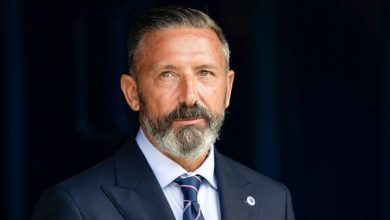
For Derek McInnes, that uncertainty makes planning difficult. Managers need to know which players they can rely on for the season. If Raskin is potentially leaving, McInnes may have to prepare for matches without him while also considering how the midfield would change if he stays. That uncertainty can affect tactical planning and squad management.
Rangers have already brought in several new players this summer, meaning the squad is still adapting. McInnes needs time to establish his preferred style and understand the strengths of his new arrivals. Keeping Raskin would provide him with an experienced player who already understands the club and Scottish football. Selling him would require another adjustment.
Supporters will naturally be divided over the issue. Some will argue that Rangers should keep their best players and build around them. Raskin has become an important part of the team, and losing him could weaken the squad. Others will argue that Rangers cannot afford to reject a major transfer fee if it gives the club the opportunity to strengthen multiple positions.
There is no simple answer because both approaches carry risks. Keeping Raskin could help Rangers on the pitch, but his value could decline if he enters the final stage of his contract. Selling him could provide significant funds, but the team would lose a key player and need to find a replacement.
The best outcome for Rangers would probably be receiving a strong offer that reflects Raskin’s quality while giving McInnes enough time to bring in a suitable replacement. That would allow the club to benefit financially without leaving the manager short of options. Unfortunately, transfers do not always happen under perfect circumstances.
The Belgian’s own position could also influence the situation. If Raskin is open to a move, Rangers may eventually have to consider his wishes. Players who believe they are ready for the next step can become increasingly difficult to retain, particularly when interest from bigger leagues develops. On the other hand, if Raskin is happy at Ibrox and willing to extend his contract, the pressure to sell would be significantly reduced.
A new contract could completely change the situation. If Rangers manage to convince Raskin to commit his future to the club, they would regain control of the transfer situation. They could then continue developing him and potentially sell him later when the market is stronger. A longer contract would also protect the club against losing significant value as his current agreement approaches its end.
That is why negotiations over Raskin’s future are likely to be just as important as negotiations with potential buyers. Rangers need to know whether the player sees his future at Ibrox. If he does, the club can focus on keeping him. If he wants to leave, finding the right deal becomes much more important.
There is also the question of what kind of replacement Rangers could find. A player with Raskin’s combination of age, experience and ability may not be easy to replace. The club could spend a large amount of the transfer fee on another midfielder, but there is no guarantee the new player would immediately adapt to Scottish football.
McInnes would therefore need to be confident that his recruitment team has suitable alternatives before approving a sale. If a replacement has already been identified, the decision becomes easier. If not, keeping Raskin could be the safer sporting option.
The European campaign adds another layer to the debate. Rangers need experienced and quality players if they are to progress in Europe. Raskin’s ability to handle pressure and his international experience could be extremely valuable in those matches. Losing him before a major European tie could create a difficult situation for McInnes.
However, European football can also provide a shop window for Raskin. Strong performances against European opposition could increase his value and attract more interest. Rangers may therefore decide that keeping him until January or next summer could potentially produce a larger offer. Again, everything depends on his contract situation.
The expert’s warning is therefore more about financial timing than Raskin’s footballing ability. Nobody is questioning whether the midfielder is talented enough to remain at Rangers. The question is whether the club should take advantage of his current market value before that value potentially falls.
That is a difficult decision for any club, but it is particularly important for Rangers because every major transfer fee can have a significant impact on their ability to strengthen the squad. The club must make sure that any decision fits into its wider financial and sporting strategy.
For now, Raskin remains a Rangers player. Unless an offer is accepted and the player agrees personal terms with another club, there is no transfer. Reports and speculation will continue, but the midfielder remains available to McInnes.
The coming weeks could therefore be decisive. Rangers may receive an offer that changes the entire situation, or they may decide to keep Raskin and attempt to secure a new contract. Either way, the club cannot afford to allow the situation to drift indefinitely.
If a serious offer arrives, the Rangers board will have to consider the full picture. How much is being offered? Can the money be reinvested? Is there a replacement available? Does McInnes want to keep the player? Is Raskin willing to extend his contract? And what happens if the club waits another year?
Those questions will ultimately determine the outcome.
For supporters, the hope will be that Rangers make the decision that best serves the club. If Raskin stays, fans will expect him to continue performing at a high level. If he leaves, they will expect the board to reinvest the money intelligently and ensure the squad is not weakened.
The idea of accepting a cut-price offer will naturally worry some supporters. Nobody wants to see a valuable player leave for significantly less than his potential worth. But refusing every reasonable offer could also become problematic if the player’s contract continues to run down.
That is why the Rangers hierarchy must find the right balance.
Raskin has proven that he can be an important player for the club, but Rangers also need to think beyond one individual. The long-term health of the squad and the finances of the club must be considered.
A major transfer could give Rangers the resources to strengthen in several positions, while keeping Raskin could give McInnes a stronger midfield. Either decision could be justified depending on the circumstances.
The pressure will now increase as the transfer deadline approaches. Every day that passes could change the situation. A new club could enter the race, an existing suitor could improve its offer or Raskin could make his own position clearer.
Until then, the midfielder will remain at the centre of one of the biggest transfer stories surrounding Rangers.
The expert’s “no choice” verdict has certainly added fuel to the debate, but Rangers still control the immediate decision. They can reject offers, negotiate a compromise or begin discussions over a new contract.
What happens next could have a major impact on both Raskin’s future and Rangers’ plans for the season.
For now, the message from Ibrox appears to be one of caution. Rangers know Raskin’s value, they know the contract situation and they know that interested clubs are watching.
The club must now decide whether the right move is to hold firm or accept that a lower fee could ultimately be better than risking a much smaller return later.
And with the transfer window moving towards its final stages, Rangers may soon have to make that decision.