Rangers stance on James Tavernier return revealed as star keen to strike deal

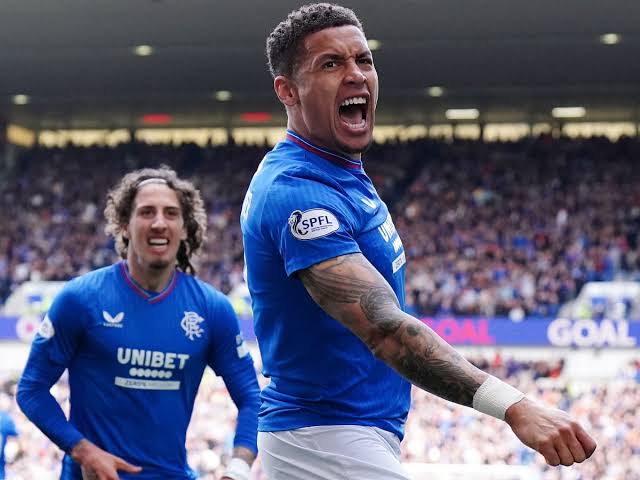
James Tavernier’s hopes of making a sensational return to Rangers appear to have suffered a major blow, with the latest reports claiming the Ibrox club have no intention of bringing their former captain back this summer. The veteran right-back has been a free agent since leaving Rangers after an extraordinary 11-year spell at the club, and speculation has recently surrounded the possibility of an emotional return. However, sources have reportedly indicated that Rangers are not currently considering Tavernier as an option. That decision could disappoint supporters who have been wondering whether the club might reconsider their stance after struggling to find a new right-back. Tavernier remains hugely respected at Ibrox following his remarkable contribution over more than a decade. Yet the current Rangers hierarchy appears determined to move forward rather than reopen the door for their former skipper. Tavernier himself is also looking towards the next stage of his career, with interest reportedly coming from clubs in Turkey. The former Rangers captain is now keen to secure an agreement sooner rather than later. The latest development therefore appears to close the door on one of the most intriguing possible Rangers returns of the summer.
Tavernier’s departure brought the end of one of the longest and most memorable individual eras in modern Rangers history. The defender arrived at Ibrox in 2015 and went on to establish himself as one of the club’s most important players. Over the years, he became captain, regular penalty taker, set-piece specialist and one of the most productive defenders Rangers have ever had. His attacking statistics were extraordinary for a full-back, while his leadership made him a central figure within several different Rangers teams. He remained at the club through managerial changes, rebuilds and periods of success and disappointment. His departure therefore represented much more than simply another player leaving at the end of a contract. It marked the end of a chapter. Supporters have understandably continued to discuss whether the club made the right decision by allowing him to leave. Some believe Rangers could still benefit from his experience, particularly with the right-back position remaining an area that requires attention. Others believe the club is right to move on and build a younger squad under Derek McInnes. The latest reports suggest the latter view is currently winning inside the Rangers hierarchy.
The possibility of a Tavernier return became particularly interesting because Rangers have spent much of the summer searching for a new right-back. The position has been identified as an area requiring attention, and several players have reportedly been considered. That naturally led some supporters to wonder whether bringing Tavernier back could provide an immediate solution. He already knows the club, the league, the supporters and the pressure associated with playing at Ibrox. He would not need time to adapt to Scottish football, while his experience in European competition could also be valuable. From a purely sentimental perspective, a return would have been one of the biggest stories of the summer. Imagine Tavernier walking back onto the Ibrox pitch wearing Rangers colours again after leaving only months earlier. It would have created enormous excitement among supporters. However, football decisions are rarely made purely on emotion. Rangers appear to believe that the next stage of their development requires different solutions. That means Tavernier’s experience may not be enough to convince the club to reverse its decision.
The latest reports indicate that Rangers have no intention of offering Tavernier a route back to Ibrox this summer. That is a significant development because it appears to remove one of the most talked-about possibilities surrounding the former captain. Tavernier may still be held in extremely high regard by people connected with Rangers, but respect does not necessarily mean the club wants to sign him again. The current hierarchy is focused on building a squad for the future, and the recruitment strategy appears to be centred around younger players who can grow with the team. Tavernier, now 34, would offer experience but would also represent a short-term solution. Rangers may therefore believe it is better to invest in a younger right-back rather than bring back a player who already spent more than a decade at the club. That does not diminish his achievements. Instead, it reflects the direction Rangers want to take under their current management and recruitment structure. The decision could still divide supporters, especially if the club struggles to find a suitable replacement before the transfer window closes.
For Tavernier himself, the situation appears to be equally clear. The former Rangers captain has reportedly been looking for a new club after spending the summer as a free agent. Interest from Turkey has emerged, giving him a possible route into the next chapter of his career. At his age, securing a contract sooner rather than later will naturally be important. Tavernier has nothing left to prove at Rangers, having already established himself as one of the most recognisable figures of the modern era. His priority now is likely to find a club where he can continue playing meaningful football. A move abroad could offer him a fresh challenge while also allowing him to experience a different league and football culture. Turkey has become a popular destination for experienced players, and Tavernier’s background could make him an attractive option for clubs looking for leadership and attacking quality from the right side. The fact that he is reportedly keen to secure a deal soon suggests he does not want uncertainty to continue for much longer. His future could therefore be resolved before the transfer window closes.
There is no question that Tavernier’s record at Rangers makes his situation unusual. Many players leave a club after a long spell and quickly disappear from the conversation. Tavernier is different. His contribution was so significant that his departure naturally created questions about whether Rangers would eventually regret allowing him to leave. He was not simply a regular right-back. He was a leader who contributed goals, assists and important moments in major matches. His ability from set pieces and penalties added another dimension to the Rangers attack, while his crossing frequently created opportunities for teammates. He also carried the responsibility of captaincy during some of the most important periods in the club’s recent history. That combination of leadership and attacking production is difficult to replace. Rangers may eventually discover that the position is harder to fill than expected. If their new signing struggles, supporters will inevitably look back at Tavernier and wonder whether a short-term reunion could have made sense.
The emotional side of the story cannot be ignored either. Tavernier spent 11 years at Rangers, meaning that a large generation of supporters grew up watching him represent the club. He experienced the journey from the lower divisions back to the top of Scottish football, the return to European prominence and the eventual triumph in the Scottish Premiership. He also captained Rangers during their memorable run to the Europa League final. Those experiences helped transform him from a player into a club figure. Supporters may disagree about aspects of his performances, but his importance to the modern Rangers story is undeniable. A return would therefore have carried enormous emotional weight. It would have been more than a transfer. It would have been a homecoming. Unfortunately for those who wanted to see that happen, the current evidence suggests Rangers are not interested in reopening that chapter.
One of the biggest reasons behind Rangers’ position could be their desire to lower the average age of the squad. The club have been active in the transfer market and have been bringing in players who can contribute immediately while also offering long-term potential. Tavernier would undoubtedly bring experience, but he would not necessarily fit the long-term recruitment model. Rangers need to think beyond the current season. They need players who can develop, increase in value and potentially remain important for several years. That makes younger targets more attractive. A veteran returning for one or two seasons might solve an immediate problem, but it could also delay the development of another player. The hierarchy therefore appears willing to accept the short-term difficulty of replacing Tavernier rather than simply bringing him back because he is familiar. That is a calculated decision, even if it may prove controversial.
The club’s search for another right-back is therefore becoming increasingly important. Rangers have reportedly considered several options, with Aston Villa youngster Kosta Nedeljkovic among the latest names linked with a possible move. A deal for a younger player would fit the broader recruitment strategy much more closely than a Tavernier reunion. Nedeljkovic would offer Rangers the opportunity to develop a player over a longer period, potentially turning the right-back position into a long-term solution. Whether Rangers can complete such a deal remains another question. Transfer negotiations can be complicated, particularly when a club is attempting to secure a loan with an option to buy or negotiate a permanent transfer. But the pursuit of younger options reinforces the impression that Rangers are determined to move in a different direction.
For supporters who still believe Tavernier could help the team, the argument is understandable. Rangers have lost a player with tremendous experience, and replacing that experience is not easy. A new young right-back could possess greater physical qualities or long-term potential, but he will not immediately understand the unique pressure of playing at Ibrox. Tavernier already knows what it means to play in front of tens of thousands of Rangers supporters. He has experienced Old Firm matches, European nights and title races. He understands the expectation that Rangers should win almost every domestic match. That knowledge cannot simply be bought in the transfer market. It comes from years of experience. If Rangers encounter a difficult period during the season, some supporters may wonder whether having Tavernier in the dressing room could have helped.
There is also the question of leadership. Tavernier wore the Rangers captain’s armband for years, and his departure created a leadership gap. Even if the club have other experienced players, replacing the influence of a long-serving captain is never straightforward. A player who has been at the club for 11 years understands its culture and expectations in a way that a new signing cannot immediately replicate. Tavernier could have provided that experience without needing an adaptation period. However, Rangers appear to believe that the benefits of moving forward outweigh those advantages. The decision suggests the club are prepared to trust their recruitment strategy rather than rely on a familiar face from the past.
The possibility of Tavernier moving to Turkey adds another layer to the story. If he secures a contract there, it would represent a new chapter for a player whose professional identity has been heavily connected to Rangers for more than a decade. It would also allow him to leave Scotland without uncertainty surrounding his future. Turkish clubs have regularly shown interest in experienced British players, particularly those with European experience and leadership qualities. Tavernier fits that profile. His ability to contribute goals from defence could also make him attractive to clubs looking for an attacking full-back. If negotiations progress quickly, he could soon be preparing for another adventure abroad.
For Tavernier, leaving Rangers was always going to be emotional. His long association with the club meant that the end of his contract represented a major personal moment. But professional football demands that players move forward. At 34, he will know that he has limited years remaining at the highest level. Finding the right next club is therefore crucial. He will want a team that values his experience and gives him an opportunity to play. A move to Turkey could provide that opportunity. It would also allow him to experience a new challenge after spending almost his entire career in British football.
Rangers, meanwhile, must avoid allowing the Tavernier debate to distract from their current objectives. The club have a new manager in Derek McInnes and are attempting to build a squad capable of competing for major honours. That means recruitment decisions have to be based on what the team needs now and in the future. Bringing Tavernier back because supporters love him would not necessarily be the correct sporting decision. If the coaching staff believe another player can provide more energy, greater defensive security or longer-term potential, then that player should be the priority. Sentiment is important in football, but results ultimately determine whether a decision is successful.
That does not mean Rangers supporters will stop discussing Tavernier. Every time the new right-back makes a mistake, his name could return to the conversation. Every time the team struggles to create chances from the right, supporters may remember his crossing ability. Every important set-piece opportunity could remind fans of the goals Tavernier scored from penalties and free kicks. That is simply the reality of replacing a club legend. The new player will not be judged in isolation. He will inevitably be compared with the man who occupied the position for so many years.
Tavernier’s legacy at Rangers is therefore already secure regardless of what happens next. His record, longevity and leadership ensure that he will remain an important part of the club’s recent history. He helped Rangers through difficult periods and played a major role in their return to the top of Scottish football. He lifted trophies, scored in major matches and represented the club in European competition. Few modern Rangers players have combined longevity and productivity in the same way. Whatever happens with his next club, those achievements will remain part of his legacy.
The fact that Rangers are refusing to consider a return does not mean the club have forgotten his contribution. Reports indicate that he remains highly regarded, but the hierarchy simply does not view a reunion as part of the current plan. That distinction is important. A club can appreciate everything a player has done while still deciding that it is time to move in another direction. Rangers appear to have reached that point with Tavernier. The challenge now is proving that the decision was correct on the pitch.
If Rangers successfully recruit a younger right-back who develops into a long-term star, few supporters will complain about Tavernier’s absence. But if the replacement struggles and the team suffers defensively, the debate will become much louder. Football is judged by outcomes, and recruitment decisions are ultimately measured by performances. Rangers have chosen their path. They must now make sure it works
For Tavernier, the message is equally straightforward. His Rangers chapter is over, and the next chapter is waiting. With reported interest from Turkey and a desire to secure a deal sooner rather than later, his future could soon be settled. He has already achieved more at Rangers than many players could dream of achieving at one club. Now he has the chance to experience something completely different.
The possibility of a sensational return to Ibrox may have generated excitement among supporters, but the latest reports suggest that it will remain only a possibility rather than becoming reality. Rangers have no plans to bring Tavernier back this summer, despite the ongoing need for a right-back. Instead, the club are looking elsewhere and appear determined to find a younger solution. Tavernier, meanwhile, is preparing to move forward with his career and is reportedly working towards securing a new contract.
It is a decision that may be difficult for some Rangers fans to accept, especially given everything Tavernier achieved at the club. But football constantly demands difficult decisions. Rangers must build for the future, while Tavernier must now focus on his own future. Both sides can move forward while still recognising the remarkable history they shared.
The coming weeks will reveal whether Rangers can find the right replacement and whether Tavernier can secure the next major contract of his career. If he moves to Turkey, Rangers supporters will undoubtedly follow his progress and wish him well, even if they remain disappointed that he will not be returning to Ibrox. And if Rangers’ new right-back performs well, the decision to move on from their former captain will eventually become easier to understand.
For now, though, the door appears firmly closed. James Tavernier wants to secure his next deal, with reported interest from Turkey giving him a potential route forward, while Rangers are focused on finding a new right-back rather than bringing their former skipper home. The emotional reunion that some supporters dreamed about is unlikely to happen this summer. Instead, one of the most important Rangers players of the modern era is preparing for the next stage of his career away from Ibrox.
Tavernier leaves behind an enormous legacy, but Rangers must now create a new one without him. That will not be easy, and the pressure on whoever eventually takes his place will be considerable. The former captain may no longer be part of the Rangers squad, but his influence will continue to be felt every time the team lines up without him. The club have made their decision. Now they must prove that moving forward was the right one.