Scotland are without a permanent head coach for the first time in seven years, and while one name has emerged as the strong favourite to succeed Steve Clarke, no appointment has yet been confirmed. Here’s what’s actually known, as opposed to what’s been speculated or, in some cases, invented outright by unreliable sources online.
Steve Clarke stepped down as Scotland head coach in late June 2026, within an hour of the team’s elimination from the World Cup being confirmed. Scotland had reached the tournament — their first World Cup appearance since 1998 — after a qualifying campaign that included a memorable win over Denmark, but the finals themselves proved unforgiving. Drawn in Group C alongside Brazil, Morocco and Haiti, Scotland opened with a 1-0 win over Haiti before losing by the same scoreline to Morocco and then falling 3-0 to Brazil. That left them third in the group with a goal difference of minus three, and their exit was mathematically confirmed once Croatia beat Ghana in a separate Group L fixture, closing off any hope of sneaking through as one of the best third-placed teams.
Clarke’s departure brought to an end a genuinely successful seven-year spell in the role. Appointed in 2019, he became the most successful head coach in the national team’s history, guiding Scotland to the delayed Euro 2020, Euro 2024, and finally the 2026 World Cup — a run of three major tournament qualifications that no previous Scotland manager had matched. He had signed a new four-year contract only a month before the World Cup, one that could have kept him in the post through to 2030, but chose to walk away regardless, writing an open letter to supporters that reflected on both the achievements and the pressures of the role. SFA chief executive Ian Maxwell publicly thanked Clarke for what he called a “record-breaking contribution,” while acknowledging the team’s need for fresh leadership following the group-stage exit.
Responsibility for finding Clarke’s successor has fallen to Maxwell and the SFA’s newly created chief football officer, Craig Mulholland. Maxwell has been clear that he wants a replacement in place “as soon as we can,” while stressing that getting the right candidate matters more than speed, and that the search casts a wide net rather than being restricted to Scottish candidates. Asked directly whether the new manager needed to be Scottish, Maxwell said nothing was “off the table.”
That approach reflects a genuine structural challenge facing the SFA: the pool of experienced Scottish managerial candidates has thinned considerably in recent years, a point raised by pundits discussing the vacancy, who have noted how few Scots now hold senior managerial positions in England compared with a decade or more ago. As a result, the shortlist that has been reported in the press has mixed domestic candidates with more experienced names from abroad.
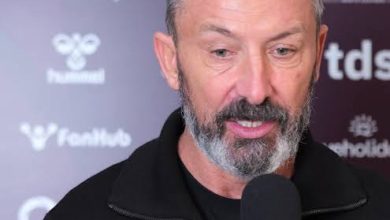
Names linked with the vacancy in the weeks following Clarke’s resignation have included Everton manager David Moyes, Falkirk boss John McGlynn, Millwall’s Alex Neil, Kilmarnock manager Neil McCann, and former Portugal head coach Roberto Martínez, who left his role with Portugal after their own exit from the World Cup. Former Celtic manager Brendan Rodgers has also been mentioned as an outside possibility, though his likely wage demands have been flagged as a probable obstacle for an SFA operating with more modest resources than a top domestic club.
Interviews have reportedly already taken place as part of the process, with reporting in early August suggesting the SFA was closing in on a decision.
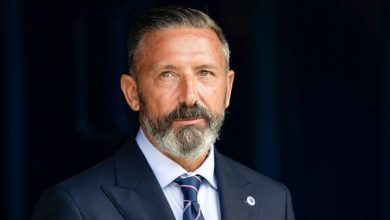
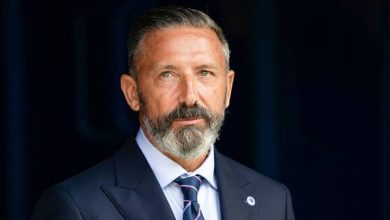
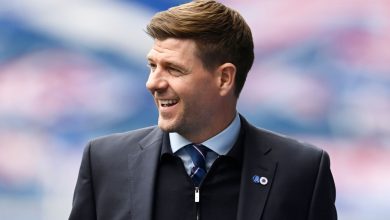
The name most strongly linked with the role — and now the outright favourite with bookmakers — is Steven Naismith, who has been part of Clarke’s coaching staff since August 2025, having also worked under him in an earlier stint back in 2021.
It’s worth being precise about Naismith’s background, since some reporting elsewhere has got basic details wrong. Naismith won 51 caps for Scotland as a player and scored 10 international goals, a career built at Kilmarnock before a spell in the Premier League with Everton, followed by Norwich City. His only major spell in Scottish club football beyond Kilmarnock came at Hearts, not Rangers — he has no Rangers connection as a player, and describing him as a “Rangers legend,” as some outlets have done, is simply inaccurate. His managerial experience is limited to one job: he took interim charge of Hearts in April 2024, was then confirmed in the role full-time, but was sacked five months later with the club bottom of the Premiership after taking just one point from six games — a win rate of a little over 43% across his time in interim and permanent charge.
Despite that mixed managerial record, Naismith is currently priced as short as 8/11 with some bookmakers to take the Scotland job — implying a probability of roughly 57% — well clear of Martínez, who sits second favourite at around 5/2. The case for Naismith centres largely on continuity: as Clarke’s assistant throughout the recent World Cup qualification cycle and the tournament itself, he already has an existing relationship with the current squad, something an external appointment would need time to build from scratch. Former Hearts and Scotland manager Craig Levein has previously spoken positively about Naismith’s leadership qualities from his early days in club management.
However — and this is the key point often missed or glossed over in less careful reporting — most informed reporting suggests the most likely near-term outcome is an interim appointment rather than a permanent, long-term commitment. The SFA appears minded to use the upcoming UEFA Nations League fixtures as a period to assess Naismith further in the role before committing to anything longer-term, while keeping other options, including Martínez, open in parallel.
Whoever ends up in interim or permanent charge will face an immediate test. Scotland’s Nations League campaign begins away to Slovenia on 26 September, with Switzerland and North Macedonia also in the group. Beyond that, qualification for Euro 2028 becomes the team’s next major objective, followed by longer-term planning toward the 2030 World Cup.
The squad the new coach inherits is a mix of established figures and emerging talent. Captain Andy Robertson continues to anchor the side from left-back, while midfielders John McGinn and Scott McTominay and forward Ché Adams remain key senior figures. Scotland’s well-documented struggles for consistent attacking output — a theme Clarke himself referenced when discussing what he hoped his successor could improve — are likely to be an early area of focus for whoever takes over, alongside the task of gradually integrating younger players coming through into the senior squad
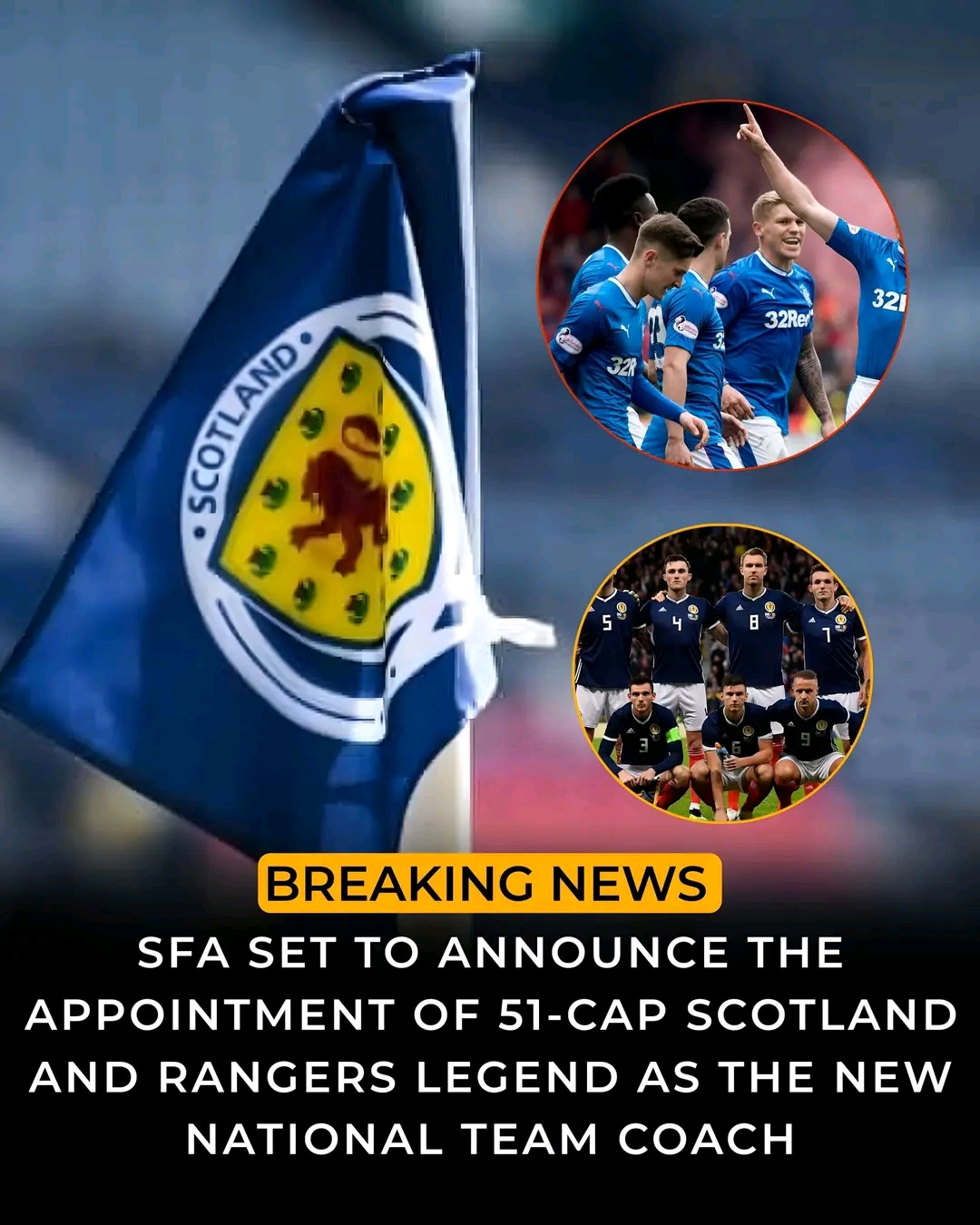
It’s worth flagging directly: claims currently circulating online that Naismith has already been confirmed as Scotland’s new manager, or that he is a “Rangers legend,” are not supported by any credible reporting. As of the most recent verified coverage, Naismith remains the strong favourite and the subject of genuine, well-sourced speculation from outlets including Sky Sports, BBC Sport and the bookmakers tracking the vacancy — but no formal announcement has been made, and the likeliest immediate step, if reporting is accurate, is an interim rather than permanent appointment. Given how fluid this kind of managerial search can be, an actual announcement could come at short notice — but until the SFA confirms one, treating any specific appointment as settled fact would be premature.