Rangers fans experienced genuine excitement when Mikey Moore arrived on loan from Tottenham Hotspur during the previous season. The young English winger’s performances exceeded expectations, demonstrating the kind of creative quality and attacking threat that had been lacking from Rangers’ wide positions. Moore’s successful loan spell—producing eleven combined goals and assists—established the teenager as integral to Rangers’ attacking approach and earned him significant affection from supporters who quickly recognized his potential.
The obvious next step, from Rangers’ perspective, would have been to secure Moore’s services on a permanent or extended loan basis heading into the new campaign. However, Tottenham’s strategic thinking has proven different. The London club’s developmental philosophy, rather than viewing Moore’s Ibrox success as validation of his Rangers future, has instead prompted consideration of alternative pathways—particularly loans to Continental clubs where the teenager might develop under different tactical influences and playing styles.
The emergence of FC Koln as Moore’s proposed Bundesliga destination therefore represented a significant blow to Rangers’ ambitions. A move to Germany would not only remove Moore from Ibrox but would simultaneously prevent Rangers from accessing the teenager’s services or influencing his development trajectory. The prospect of losing Moore permanently to Continental football appeared genuinely threatening to Rangers’ summer transfer strategy.
However, recent developments have fundamentally altered this narrative. Tottenham’s unexpected decision to place Moore’s anticipated Koln transfer on hold has created unexpected breathing room for Rangers and their hopes of retaining the English winger. This unexpected reprieve, emerging from circumstances that likely relate to managerial contingency planning rather than Rangers’ own activities, potentially reopens pathways that appeared definitively closed mere days earlier.
Understanding the significance of Rangers’ interest in Moore requires first acknowledging the genuine quality he demonstrated during his previous season at Ibrox. The English teenager’s loan spell represented the kind of developmental opportunity that frequently defines young players’ trajectory—a chance to perform at senior level with consistent opportunity and supportive environment enabling growth.
Moore’s eleven combined goals and assists across the campaign demonstrate tangible contribution to Rangers’ attacking play. These statistics, while not extraordinary in absolute terms, carry enhanced significance when contextualized against Moore’s tender age and experience level. An 18-year-old winger producing double-digit goal contributions at elite senior level demonstrates genuine attacking quality and suggests developmental trajectory pointing toward established first-team player status.
Beyond the statistical contribution, Moore’s performances in key matches evidenced the kind of composure and decision-making traditionally associated with more experienced players. The teenager proved capable of performing effectively in high-pressure situations, responding positively to the demands of Scottish Premiership football and European competition. Such performances provide crucial confidence for young players and establish foundations upon which future development can be constructed.
Equally significantly, Moore’s loan spell established deep connections with Rangers supporters who developed genuine affection for the teenager’s work ethic, commitment to the badge, and demonstrated potential. Supporters’ emotional investment in young players frequently proves important in retention situations, as fan backing can influence club negotiating priorities and player decisions regarding their futures.
## Tottenham’s Developmental Philosophy: Continental Loans and Long-term Strategy
Tottenham’s approach to Moore’s development reflects broader philosophical commitments regarding youth player progression within elite English clubs. Rather than viewing loan spells as opportunities for established development destinations, Tottenham increasingly considers Continental loans as crucial components of player development pathways—exposing young talent to different tactical systems, playing styles, and competitive environments.
The decision to redirect Moore toward German football rather than facilitating return to Rangers reflects this strategic thinking. Bundesliga football, with its distinctive tactical characteristics emphasizing high pressing and attacking transitions, offers developmental experiences substantially different from Scottish football’s style. Tottenham’s belief appears to be that exposing Moore to Continental football will accelerate his development by forcing adaptation to new tactical demands and competitive contexts.
However, this Continental loan strategy creates complications for Rangers and other clubs interested in retaining players within existing relationships. Tottenham’s managerial structure—particularly under Ange Postecoglou’s increasingly expansive tactical approach—prioritizes player development aligned with the club’s long-term strategic vision rather than short-term accommodation of loan destinations’ preferences.
This emphasis on Continental development reflects contemporary trends within elite English academies, where sophisticated clubs increasingly view loans as essential components of long-term pathway planning rather than simply opportunities to generate experience. The strategy carries merit in developmental terms but simultaneously makes loan retention substantially more difficult for clubs outside England’s elite structure.
## The FC Koln Situation: Why Germany Emerged as the Proposed Destination
FC Koln’s emergence as Moore’s proposed Bundesliga destination reflects calculated decision-making from Tottenham regarding optimal development environments. The Cologne club, while not among Germany’s absolute elite, operates at respectable competitive level and possesses established infrastructure for developing young talent.
Bundesliga football offers several advantages as a developmental environment for young English talent. The league’s tactical characteristics—emphasizing high pressing, rapid transitions, and attacking dynamism—align well with contemporary approaches to player development. Additionally, Bundesliga clubs traditionally demonstrate genuine commitment to developing young players rather than purely treating loans as temporary squad depth solutions.
FC Koln specifically offers the advantage of reliable playing opportunity without the pressures associated with Germany’s absolute elite clubs. Bayern Munich or Borussia Dortmund might provide enhanced prestige but simultaneously could result in limited playing opportunity if Moore struggled to establish himself immediately. Koln’s mid-tier status provides more realistic pathway toward consistent first-team football.
The proposed Koln arrangement therefore represented sensible developmental opportunity—offering Moore meaningful competitive football within a respected, Continental league while exposing him to different tactical demands. For Tottenham’s strategic thinking, such an arrangement aligned perfectly with their commitment to comprehensive player development.
## The Unexpected Transfer Halt: Timing and Implications
The recent decision to place Moore’s Koln transfer on hold represents a significant unexpected development in what appeared to be a straightforward transfer scenario. According to credible Tottenham insider sources, the move has been suspended with no clearly revealed reason for the postponement. Moore is now scheduled to appear in Tottenham’s upcoming friendly against Getafe rather than completing final arrangements for Koln relocation.
The specificity of the transfer halt—it has been “put ON HOLD” rather than abandoned or postponed indefinitely—suggests temporary suspension rather than permanent cancellation. This distinction carries important implications for both Tottenham’s strategic thinking and potential outcomes regarding Moore’s future pathway.
The postponement’s cause remains officially unrevealed, creating space for speculation regarding underlying reasons. Several plausible explanations exist for such unexpected transfer developments: injury complications within Tottenham’s squad structure, tactical reassessment by management regarding playing options, recalibration of loan strategy following other developments, or simply administrative complications requiring resolution before transfer finalization.
## James Maddison’s Injury: Potential Catalyst for the Delay
One plausible explanation for Moore’s transfer halt involves potential injury complications within Tottenham’s existing squad. Reports indicate that James Maddison, the former England international, has sustained a hip re-injury following previous struggles with the same anatomical area. Such recurring injury patterns raise legitimate concerns regarding player durability and availability for upcoming fixtures.
Should Maddison’s hip injury prove serious and require extended recovery, Tottenham might face unexpected disruption to their attacking midfield options. Moore, despite his young age, possesses the positional flexibility to potentially operate in attacking midfield roles rather than purely as a wide winger. Such positional versatility could theoretically make him valuable to Tottenham’s immediate competitive requirements during Maddison’s recovery period.
This explanation would represent typical managerial pragmatism—initially planning Moore’s Continental loan to facilitate his development, then reconsidering the arrangement when squad injury complications created unexpected positional requirements. Such adjustments are common across elite clubs, which frequently revise loan arrangements when unforeseen circumstances alter squad composition.
Alternatively, Tottenham’s coaching staff might have identified potential to utilize Moore in Maddison’s absence without necessarily committing long-term to the teenager’s squad status. A temporary postponement of the Koln loan could provide Tottenham with squad flexibility during a critical period while maintaining options regarding Moore’s ultimate destination
For Rangers, the transfer halt fundamentally alters the landscape regarding Moore’s availability. What appeared merely days earlier to be a definitive conclusion—Moore heading to German football with Rangers’ hopes effectively ended—has transformed into a genuine opportunity for the Scottish club to make its case for Moore’s return.
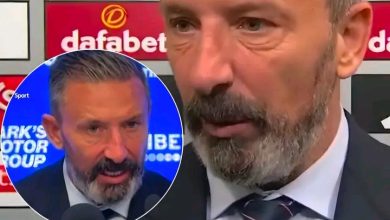
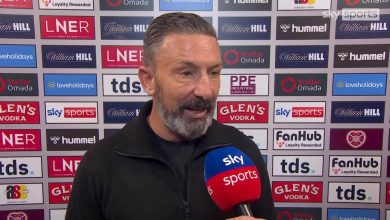
Derek McInnes’ presence as the new Rangers manager potentially strengthens the club’s position in any Moore negotiations. McInnes’ reputation as a developer of young talent and his sophisticated tactical approach offers credible counterargument to Continental loan proponents. Rangers can present Moore with the prospect of continued guaranteed first-team football within an environment where his contributions proved meaningful during the previous season.
The delay also provides practical time for Rangers to conduct negotiations without urgency. Rather than operating within compressed timeframes necessitated by imminent transfer deadlines, Rangers and Tottenham can engage in more extensive discussions regarding potential arrangements. Such extended negotiating windows frequently produce superior outcomes through permitting comprehensive analysis of alternative pathways and mutual interests.
Importantly, the delay provides Rangers opportunity to demonstrate their strategic commitment to Moore through concrete actions rather than merely aspirational rhetoric. The club can reinforce messaging regarding Moore’s importance to future plans while simultaneously implementing squad improvements that would make his return genuinely attractive.
## Moore’s Perspective: The Personal Dimension
Any potential Moore return to Rangers must ultimately depend on the teenager’s own preferences and aspirations. While transfer speculation frequently focuses on club interests and strategic calculations, player agency remains supremely important in determining outcomes.
Moore developed genuine connections to Rangers during his previous loan spell, both through supporter relationships and integration within squad culture. The teenager experienced meaningful first-team football and contributed substantially to team performance—experiences that frequently generate emotional connection and loyalty from young players. The prospect of returning to an environment where he felt valued and enjoyed success carries obvious appeal.
However, Moore must also consider developmental implications of his future pathway. At eighteen years old, the teenager faces crucial decisions regarding optimal environments for accelerating his progression toward elite player status. Continued Scottish football might provide comfortable familiarity but could simultaneously be perceived as limiting his development if ambitions ultimately extend toward Premier League establishment and international representation.
This tension between comfort and challenge—between remaining at Rangers where success was established or pursuing more demanding Continental environments forcing adaptation—will likely influence Moore’s ultimate decision regarding his future destination.
Understanding the significance of Moore’s potential return requires acknowledging Rangers’ wider winger difficulties during the early season. The club’s opening matches have exposed deficiencies in wide attacking options, with existing personnel either unavailable through injury or failing to demonstrate requisite quality levels.
Rangers’ attempts to strengthen wide positions through the transfer market have proven frustrating. The club’s pursuit of Frosinone’s Fares Ghedjemis has apparently stalled, with Rangers temporarily stepping away from those negotiations. Simultaneously, attempts to land PSV’s Couhaib Driouech represent alternative pathway to addressing the winger deficit.
These unsuccessful recruitment efforts underscore genuine need for Moore’s return. The English teenager offers proven quality at Rangers’ competitive level and delivers the kind of attacking creativity that has been manifestly absent during early season matches. Moore’s presence would immediately improve Rangers’ attacking profile and provide first-team solution to currently pressing positional requirements.
## McInnes’ Role: Can the Manager Attract Moore?
Derek McInnes’ reputation as a developer of young talent positions him favorably regarding any Moore negotiations. The manager’s established success in identifying young potential and implementing tactical systems enabling youth development offers credible framework through which Rangers could present Moore’s return as beneficial to his progression.
McInnes’ specific tactical approach—emphasizing controlled possession, positional discipline, and attacking structure—aligns well with Moore’s playing profile. The teenager possesses the technical security and intelligence required to thrive within McInnes’ possession-based systems, suggesting genuine compatibility between player and manager.
Additionally, McInnes’ previous success at Hearts in establishing competitive frameworks despite limited resources suggests capacity to make Rangers an attractive destination despite Edinburgh club rivalry. Young players often respond positively to managers who demonstrate clear faith in their abilities and implement tactical systems enabling meaningful contribution.
The manager’s appointment therefore potentially strengthens Rangers’ position in any Moore negotiations, offering the teenager reassurance regarding coaching quality and developmental support should he choose to return.
While Moore represents Rangers’ preferred winger target, the club’s broader transfer activity suggests contingency planning regarding potential failure to secure his return. The pursuit of Driouech and previous interest in Ghedjemis indicate Rangers’ willingness to explore alternative pathways if Moore negotiations prove unsuccessful.
Amario Cozier-Duberry has emerged as another potential option, with some analysis suggesting his acquisition might ultimately represent more practical pathway than pursuing Moore’s return. Cozier-Duberry, operating at alternative elite level, might prove more readily available and potentially require less complex negotiations than securing Tottenham’s young prospect.
These alternatives, while potentially adequate squad solutions, lack the proven connection to Rangers and established success that Moore demonstrated during his loan spell. Cozier-Duberry or Driouech might develop into valuable contributions, but neither carries the immediate familiarity and demonstrated Ibrox success that Moore represents.
The approaching transfer window closure creates definite timeframe within which Moore’s situation must be resolved. Professional football operates according to strict deadlines, and decisions regarding player movements must be completed before windows close.
For Rangers, the deadline creates urgency regarding initiating meaningful negotiations and executing transfer arrangements should Tottenham prove receptive. Delayed decision-making could result in the window closing with Moore’s situation unresolved, effectively forcing his continuation at Tottenham with uncertain future pathway.
Tottenham similarly faces timeline pressures regarding whether to pursue Moore’s Koln loan, facilitate alternative arrangements, or retain the teenager within their squad structure. The temporary halt on the transfer provides window for recalibration but cannot indefinitely suspend decision-making
Should Moore return to Rangers, the club would require comprehensive strategic planning regarding his integration into McInnes’ tactical framework and squad structure. Successful reintegration demands more than merely welcoming the teenager back—it requires demonstrating genuine commitment through squad composition and tactical deployment.
This might involve additional winger recruitment or alternatively accepting Moore as primary attacking width option and building midfield structure accordingly. Either pathway requires deliberate planning rather than reactive scrambling if negotiations prove successful
Mikey Moore’s transfer situation exemplifies how professional football’s unpredictability frequently creates unexpected opportunities from apparent setbacks. Rangers’ prospects regarding the teenager appeared definitively closed merely days ago, yet recent developments have fundamentally altered the landscape.
The delay in Moore’s Koln transfer—whether attributable to Maddison’s injury, Tottenham’s tactical recalibration, or administrative complications—provides Rangers genuine opportunity to reopen negotiations and present compelling arguments for Moore’s return. The combination of McInnes’ managerial appointment, Moore’s proven Ibrox success, Rangers’ winger deficiencies, and the teenager’s likely positive disposition toward returning creates circumstances potentially favorable for transfer completion.
However, translating these favorable circumstances into concrete transfer completion requires Rangers to act decisively. The window for Moore’s return remains genuinely open but will not remain indefinitely—closure approaches with inevitable transfer deadline. Rangers must utilize this unexpected breathing room to conduct serious negotiations and present compelling arguments for Moore’s retention within Scottish football.
For supporters desperate to retain Moore and rebuild attacking confidence following disappointing early season performances, the teenager’s transfer delay represents genuine reason for optimism. The pathway to his return, while far from guaranteed, has become substantially more plausible through circumstances entirely beyond Rangers’ control. Whether the club can capitalize on this unexpected opportunity remains to be determined, but the opportunity itself represents significant improvement compared to the seemingly definitive closure of mere days earlier.