Derek McInnes Endures Mixed Premiership Debut as Rangers Are Held to Dramatic Draw at Tannadice

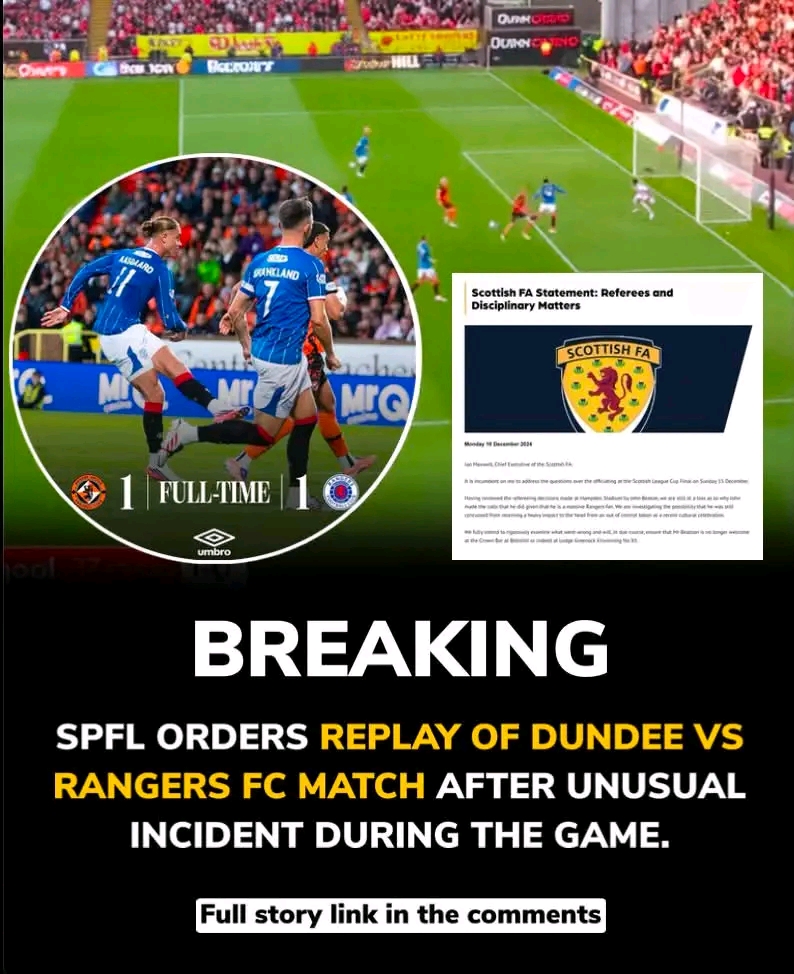
Derek McInnes’s first Scottish Premiership match in permanent charge of Rangers ended in a hard-fought 1-1 draw against Dundee United at Tannadice, a contest that had almost everything supporters could have asked for on the opening weekend of the new season bar the one thing McInnes himself would have wanted most: three points to mark the beginning of his tenure. What unfolded across ninety competitive minutes in Tayside was an absorbing, at times chaotic afternoon of football, packed with tactical adjustments, a spirited fightback, moments of real quality and a late refereeing controversy that ensured the game will be remembered for far more than simply its final scoreline.
For McInnes, stepping into the Ibrox hot seat on a permanent basis after an eventful summer of change at the club, this was always going to be a fixture examined under intense scrutiny. Rangers had invested heavily in rebuilding the squad over the close season, bringing in a wave of new faces while simultaneously moving several players on, and the opening weekend of the Premiership campaign represented the first real opportunity to see how those changes might translate onto the pitch in a competitive environment. What supporters witnessed was a team still very much finding its feet, capable of both real promise and familiar frustration within the same ninety minutes, a fitting summary, in many ways, of where Rangers currently find themselves as McInnes begins the process of imposing his own identity on the squad.
Dundee United, under the management of Jim Goodwin, entered the contest with genuine confidence and it showed from the very first whistle. Goodwin’s side pressed aggressively from the outset, denying Rangers time and space on the ball and repeatedly disrupting the visitors’ attempts to build attacks through their favoured passing channels. The hosts’ intensity and organisation in the opening exchanges caught Rangers cold in several passages of play, with McInnes’s side struggling to establish any real rhythm in possession during the first half. Several of Rangers’ summer signings, still relatively new to one another and to the demands of competitive Premiership football together, appeared to be feeling their way into the contest rather than dictating terms, a natural enough consequence of a squad still bedding in following months of transfer activity.
That pressure from the hosts told in the 38th minute, when Australian forward Lachlan Rose provided the breakthrough Dundee United’s first-half performance thoroughly deserved. A well-worked move sliced through the Rangers defence before Rose finished confidently past goalkeeper Ivor Pandur, sending the home support inside Tannadice into raptures and rewarding Goodwin’s side for a display built on compact midfield discipline and relentless energy out of possession. The goal was no fluke; Dundee United’s shape throughout the first half had been excellent, their pressing triggers well coordinated, and their willingness to win second balls in central areas meant Rangers rarely found the space to build the kind of sustained pressure McInnes would have wanted to see from his new-look side. By the time the half-time whistle sounded, it was Dundee United who had the more settled look about them, while Rangers headed down the tunnel with plenty to address.
Whatever was said inside the away dressing room during the interval clearly had the desired effect. McInnes made his intentions clear early in the second half, introducing fresh legs and instructing his side to play with far greater tempo and directness than had been evident before the break. The change in approach was immediate and obvious, with Rangers beginning to move the ball far more quickly, stretching Dundee United’s previously well-organised defensive shape and committing increasing numbers of players forward in search of an equaliser. It was the kind of half-time reaction that will have pleased Rangers supporters watching on, evidence that their new manager is both willing and able to make bold, decisive changes when his side is behind in a match, rather than simply hoping the situation resolves itself.
That improved approach was rewarded just eleven minutes into the second half. Thelo Aasgaard, who has continued to build on an increasingly impressive run of recent form, produced a moment of real quality to restore parity, striking an excellent equaliser that shifted the momentum of the contest firmly in Rangers’ favour. The goal came after strong approach play involving new club captain Lawrence Shankland, whose growing influence on proceedings had been evident since the restart, and it sparked wild celebrations among the travelling Rangers support who had endured a difficult first forty-five minutes. For Aasgaard personally, the goal represented further evidence of the qualities that have made him such an important figure in McInnes’s plans heading into the new campaign, underlining the high expectations that continue to surround the Norwegian midfielder.
From the moment Aasgaard’s equaliser went in, Rangers looked increasingly like the side more likely to find a winner. Ryan Naderi, Shankland himself and substitute Youssef Chermiti all threatened at various points as the visitors continued to press for a second goal that would have completed a memorable turnaround on the opening weekend of the season. Dundee United, to their considerable credit, refused to buckle under the sustained pressure, increasingly relying on disciplined defensive organisation and timely interventions to preserve their share of the spoils. Goalkeeper Jack Walton produced several important saves to keep his side on level terms, while defenders Bert Esselink, Will Ferry and Michael Forbes repeatedly threw themselves in the way of dangerous deliveries into the penalty area, demonstrating the kind of resilience and organisation that Goodwin will have been demanding from his backline throughout the closing stages.
Dundee United were far from purely defensive during this period, however, continuing to look dangerous whenever the opportunity arose to break forward on the counter-attack. Jesse Randall came agonisingly close to restoring the home side’s advantage late in the contest, missing one of the clearest opportunities of the entire match in what would have been a devastating blow for Rangers had it gone in. That missed chance ultimately proved significant in ensuring the points were shared after a thoroughly entertaining ninety minutes of Premiership football, with both sides able to reflect on moments where the game could plausibly have swung decisively in their favour.
The closing stages were not without their own significant drama, however, and it was here that much of the post-match conversation ended up being generated. With Rangers pushing hard for a winning goal, Mohamed Diomande went down inside the Dundee United penalty area following a challenge from defender Emmanuel Agyei, prompting immediate and vociferous appeals from the Rangers players surrounding referee Nick Walsh. Walsh waved away the appeals without hesitation, awarding a goal kick rather than the penalty Rangers were adamant they deserved, a decision that produced a visibly animated reaction from Derek McInnes on the touchline as he protested from the technical area. The Rangers manager was said to have allowed his emotions to influence his immediate response to the decision, before discussing the incident with match officials in a calmer setting once the full-time whistle had sounded, a passionate reaction that offered an early glimpse of the standards McInnes clearly expects to see as he sets about returning Rangers to genuine championship contention this season.
The afternoon was further complicated for Rangers by an injury concern involving new signing Ben Godfrey, who was forced off during the second half with what was suspected at the time to be a hamstring issue. Godfrey had arrived at Ibrox during the summer amid considerable optimism, viewed by many inside the club as exactly the kind of experienced, physically imposing defender capable of solidifying a Rangers backline that had looked short of leadership in recent seasons. The timing of the injury, coming during what was his competitive debut for the club, was particularly unfortunate, leaving McInnes facing an anxious wait for further medical assessment to determine the extent of the problem ahead of a hugely significant week of fixtures still to come.
Taking a step back from the individual moments of drama, the broader tactical picture from Tannadice offered plenty for McInnes and his coaching staff to work with as they continue shaping this new-look Rangers side. The first-half performance lacked the fluency and cohesion the manager will ultimately be demanding from his team, with Dundee United winning the vast majority of second balls in midfield and largely dictating the tempo of the contest for the opening forty-five minutes. That McInnes was able to identify the issues at half-time and implement changes that so visibly transformed his side’s attacking threat speaks well of his tactical awareness and his willingness to be decisive from the touchline when matches are not unfolding as planned, qualities that will serve him well across what promises to be a long and demanding season on multiple fronts.
Perhaps the most encouraging element for Rangers supporters to take from the afternoon was the manner of the team’s response after falling behind. Rather than allowing frustration at a disappointing first-half performance to dictate the remainder of the contest, Rangers gradually increased their intensity, took control of the game’s tempo, and deservedly found an equaliser through Aasgaard before continuing to press for a winner right until the closing stages. That kind of resilience and character is not something that can simply be coached in a single pre-season, and its presence on the opening weekend of the campaign will offer McInnes genuine encouragement as he continues the process of building a squad capable of competing on several fronts this season. The challenge now, as is so often the case in football, will be converting territorial dominance and attacking intent into actual victories, an area that remains a work in progress based on the evidence of this particular afternoon.
For Dundee United, meanwhile, the performance offered plenty of reason for optimism regarding Jim Goodwin’s ongoing project at Tannadice. His team combined disciplined defensive organisation with genuine attacking ambition throughout the contest, creating enough clear-cut opportunities, not least Randall’s late miss, to believe they could plausibly have claimed all three points against one of Scottish football’s traditional heavyweights. Securing a point against a rebuilding Rangers side on the opening weekend of the season represents a solid platform for United to build upon as their own campaign gets underway, and the levels of energy and organisation on display suggest they will continue to prove a difficult and uncomfortable opponent for visiting sides throughout the season, particularly on their own patch at Tannadice.
Individually, several players across both sides caught the eye over the course of the ninety minutes. Lachlan Rose provided Dundee United with a lively and energetic attacking outlet throughout, and thoroughly deserved his goal following an industrious overall display that caused Rangers problems for large periods of the first half. Thelo Aasgaard once again demonstrated his growing influence in a Rangers shirt, not only scoring the equalising goal but consistently looking to create opportunities for his teammates in the pockets of space between the lines, further evidence of the impact he is having on this rebuilt Rangers side. Jack Walton’s composure and shot-stopping ability in the Dundee United goal proved invaluable during the sustained periods of Rangers pressure in the second half, while Will Ferry delivered another composed and reliable defensive performance at the back for the home side. For Rangers, Cameron Devlin brought welcome energy and drive to the midfield battle, while Emmanuel Fernandez showed encouraging defensive qualities despite the demanding circumstances of his side chasing the game for much of the second period.
It is also worth acknowledging the wider significance of this fixture beyond the immediate result, given the amount of change both clubs have undergone heading into the new season. For McInnes, this was a first genuine test of how his ideas translate from the training ground into a live, high-intensity competitive environment, and while the ultimate outcome fell short of a winning start, the manner of his side’s second-half response, combined with his own willingness to make bold changes at half-time, will offer plenty of encouragement to a support eager for signs of progress after a turbulent period at the club. Consistency across the course of a long and demanding campaign will ultimately determine whether Rangers can mount a genuine and sustained challenge for domestic honours this season, but the fighting spirit on display at Tannadice represents a reasonable early marker to build upon.
For Dundee United, the draw stands as an encouraging and thoroughly deserved start to their own campaign, built on the kind of disciplined structure, attacking ambition and defensive resilience that suggests Goodwin’s side will remain difficult opponents for visiting teams throughout the season, Rangers and Celtic included. The opening weekend of the Scottish Premiership season delivered intensity, drama and moments of genuine quality in equal measure at Tannadice, and while supporters on both sides may continue to debate the finer details of the late penalty appeal and other contentious moments from the contest for some time to come, the official record of the match remains unchanged: Dundee United 1, Rangers 1, a result that marked the beginning of Derek McInnes’s Premiership era at Ibrox with a hard-earned point rather than the perfect start many inside the club had hoped for heading into the new campaign.
Attention for both clubs now turns quickly toward the fixtures still to come. For Rangers, that means assessing the extent of Ben Godfrey’s injury, continuing to bed in a squad still finding its collective identity under new management, and preparing for a significant midweek Europa League qualifying assignment that arrives within days of the Tannadice draw. For Dundee United, the challenge will be building on the platform established on the opening weekend and demonstrating that Friday night’s performance was no isolated occurrence but rather a genuine marker of the progress being made under Jim Goodwin. Both clubs, in their own way, will look back on an eventful afternoon in Tayside as a useful early indicator of where their respective campaigns currently stand, even as the true shape of the season ahead remains very much still to be written.
There is also value in considering how this result fits into the broader narrative McInnes is trying to construct at Ibrox as he embarks on his first full season in permanent charge. Managerial appointments at a club with the history and expectation levels attached to Rangers rarely come with the luxury of a gentle introduction, and the pressure to deliver both results and a clear identity of play arrives almost immediately, regardless of how much rebuilding work has taken place over the preceding months. A draw on the opening weekend, particularly one earned after falling behind, is unlikely to be viewed as a disaster by anyone taking a balanced view of the club’s current situation, given the scale of turnover in the squad over the summer and the understandable teething problems that come with integrating so many new faces into a settled system. Yet at a club where anything short of victory tends to be scrutinised heavily, McInnes will be acutely aware that the manner of performances, rather than simply the points accumulated, will shape the tone of the conversation around his early weeks in charge.
The composition of the Rangers squad that took to the field at Tannadice also tells its own story about the scale of change McInnes has overseen since taking permanent charge. With several summer arrivals handed their first competitive minutes in Rangers colours, the manager was always working with a group still developing the kind of understanding and cohesion that tends to come only with time spent training and playing together. That context makes the sluggish opening forty-five minutes considerably more understandable, even if it will not have entirely satisfied a support desperate to see the rebuilt squad hit the ground running from the very first whistle of the new campaign. Equally, it makes the second-half transformation all the more encouraging, offering early evidence that once these new players settle into their surroundings and grow more familiar with McInnes’s tactical demands, the ceiling for this Rangers side could be considerably higher than the frustrations of the first half might have suggested in isolation.
From Dundee United’s perspective, meanwhile, there will be satisfaction not just in the result itself but in the manner in which it was achieved. Goodwin’s side showed they were capable of matching a heavily resourced Rangers squad for large periods of the contest, using organisation, energy and tactical discipline to nullify much of the threat posed by a team assembled at a considerably higher cost over the summer. That kind of performance, delivered on the opening weekend against one of the division’s traditional powerhouses, should give United’s own supporters plenty of encouragement heading into a season in which they will hope to establish themselves as a consistent, competitive presence in the upper reaches of the Premiership table rather than simply making up the numbers against the country’s bigger clubs.
As both sides prepare to move on from an eventful afternoon in Tayside, the broader lesson from Tannadice may simply be that this remains an unpredictable and closely contested Scottish top flight, one in which even sides who have invested heavily in squad rebuilding cannot expect results to arrive automatically without the accompanying work on cohesion, organisation and game management. McInnes will have learned plenty about his squad from this single fixture, information that will prove valuable as he continues shaping the team over the coming weeks and months. Whether this opening-day draw eventually comes to be viewed as a minor blip on the road to a successful campaign, or an early warning sign of issues still to be resolved, will only become clear as further fixtures unfold and the true shape of this new-look Rangers side continues to take form under its new permanent manager.