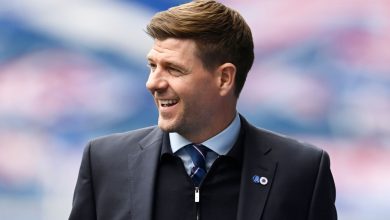
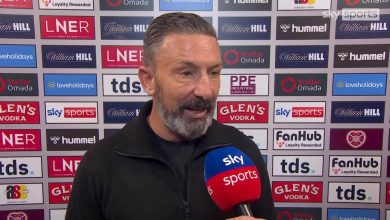
Danny Rohl send emotional message to rangers board ..following his interesr in club return ,, you wont believe what he said

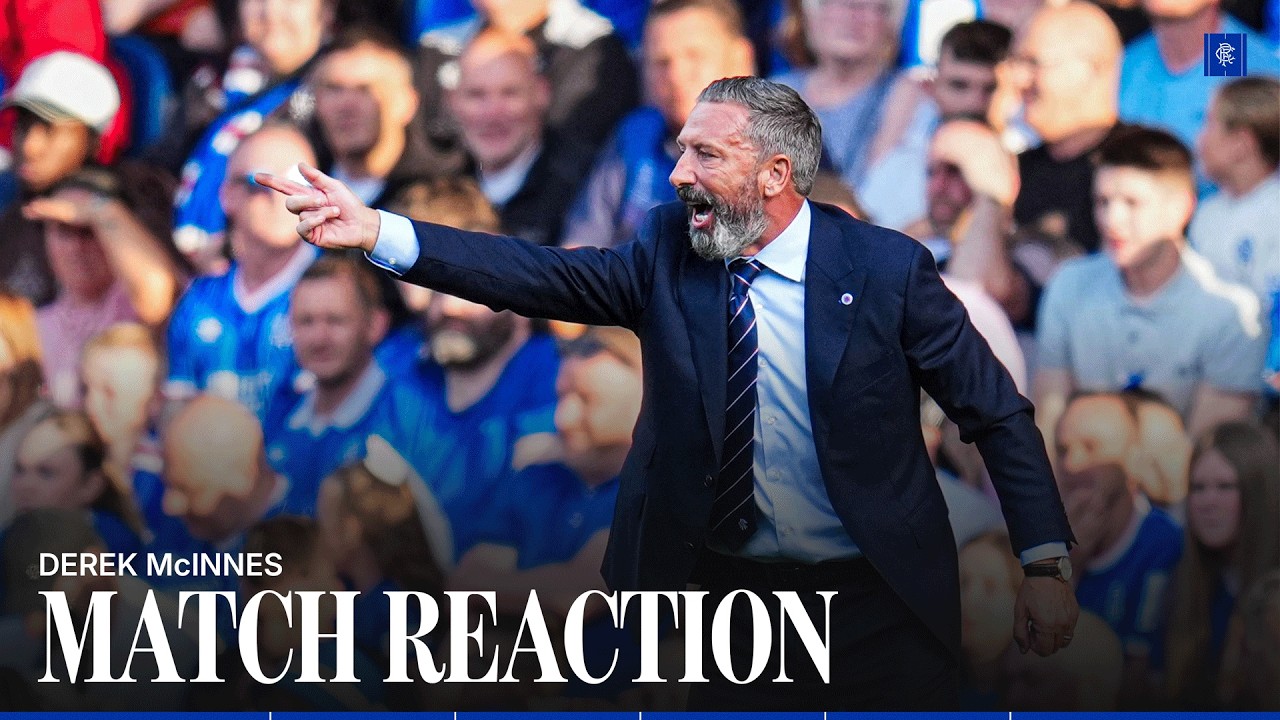
Danny Röhl has sparked a major reaction among Rangers supporters after admitting that he would not completely rule out a sensational return to Ibrox in the future. The former Rangers manager, who spent only eight months in charge before leaving for Red Bull Salzburg, has now opened the door to the possibility of one day returning to the club, insisting that his unfinished business at Ibrox means “you can never say never.” His comments have immediately raised eyebrows among Rangers fans, particularly because his departure remains a controversial subject for many supporters. Röhl arrived at Rangers with enormous expectations and initially generated optimism around the club, but his time in charge ultimately ended in disappointment after a dramatic collapse damaged Rangers’ title ambitions. Derek McInnes has since taken over and is attempting to establish his own identity at Ibrox, with significant changes already taking place during pre-season. Against that backdrop, Röhl’s comments about potentially returning have created an intriguing debate. Should Rangers ever consider bringing him back? Or should the club firmly close that chapter and focus entirely on McInnes’ project? Röhl’s words were not a direct declaration that he wants to return. Instead, he suggested that his Rangers experience feels like an unfinished mission and refused to rule out another opportunity. That distinction is important. Nevertheless, his comments are likely to provoke a strong response because Rangers supporters have long memories, and the manner of his departure will inevitably remain part of the discussion. Röhl has defended his career decisions and continues to pursue his ambitions with Salzburg, but the possibility of another Rangers chapter is now firmly on the football conversation. For some supporters, his return would represent an opportunity to finish what he started. For others, it would be an unacceptable risk. Either way, his latest confession has reopened a Rangers debate that many thought was already finished.
The comments from Röhl are particularly interesting because he could easily have closed the door on a Rangers return. Instead, when asked about the possibility, he chose not to do so. Speaking about his future, Röhl made it clear that his immediate ambition is to win trophies with Red Bull Salzburg, but he also acknowledged that football rarely allows anyone to predict exactly what will happen. His response was essentially that a return to Rangers cannot be completely ruled out. He described his Rangers experience as a mission that was not completed, suggesting that he still feels there was more he could have achieved at Ibrox. That phrase alone is enough to make Rangers supporters sit up and take notice. Managers regularly leave clubs and move on without looking back. Röhl’s comments are different because he appears to view his time at Rangers as unfinished business rather than a completed chapter. That raises the obvious question: if Rangers were ever to need a manager again, could Röhl genuinely be considered? There are arguments on both sides. From Röhl’s perspective, he could argue that he gained valuable experience during his time in Scotland. He now understands the size of the Rangers job, the pressure surrounding the club and the expectations placed upon anyone occupying the Ibrox hotseat. He would potentially return with greater knowledge than he had when first appointed. But from the Rangers perspective, supporters could reasonably ask whether the club should trust him again after the manner of his departure. Röhl left for Salzburg after only eight months, despite the potential still surrounding his Rangers project. That decision inevitably changed how some fans viewed him. Whatever his reasons, supporters are entitled to question whether a manager who left once would remain committed if another opportunity arose. His “why not?” comment therefore creates more questions than answers. It does not mean Rangers are planning to bring him back. It does not mean he has asked for the job. It simply means Röhl himself has not ruled out the possibility. But at a club as massive as Rangers, even a hypothetical comment can quickly become a major talking point.
The biggest reason Röhl’s comments could alarm Rangers supporters is not necessarily his coaching ability. There is little doubt that the German coach has considerable potential and an impressive football background. The concern is trust. Rangers is not an ordinary managerial position. It requires complete commitment because the expectations are relentless. Every dropped point can create pressure, every transfer decision is scrutinised and every managerial decision is debated. A Rangers manager has to be prepared for that environment. When Röhl originally arrived, there was excitement around his appointment. Supporters believed they were getting a young coach with significant potential and the ability to develop the team. He had worked within elite football environments and had gained experience that suggested he could eventually become a top-level manager. There was also an element of romance around his appointment because Rangers appeared to be taking a calculated gamble on a coach who could grow with the club. But the relationship ultimately did not develop into the long-term project many expected. Röhl’s tenure lasted only eight months, and his eventual departure left supporters disappointed. That history cannot simply be erased because he has now suggested that he might return one day. Football is ultimately about trust, and supporters would want to know why things would be different the second time around. Would Röhl be more committed? Would he understand the pressure better? Would he stay if another opportunity appeared? Those are reasonable questions. It is also important to acknowledge that managers can learn from their experiences. Röhl is a relatively young coach and could become a much better manager because of what happened at Rangers. His time at Ibrox may have taught him lessons that cannot be learned anywhere else. The issue is whether Rangers would be willing to let him apply those lessons at the club again. For some fans, the answer will be an immediate no. Others may believe that a more experienced Röhl could be exactly what Rangers need in the future. The debate is now open.
When Röhl took charge, there was a belief that Rangers had found a coach capable of changing the direction of the club. His reputation and coaching background created optimism, and supporters were willing to give him time to implement his ideas. Rangers had experienced instability before his arrival, and the German was tasked with restoring confidence and creating a more competitive side. There were encouraging moments during his spell, particularly when Rangers managed to reduce the gap to their domestic rivals. But ultimately, the season did not end as supporters had hoped. The title challenge faded, and the late-season collapse became one of the defining elements of his tenure. For a club like Rangers, that is extremely difficult to overlook. Expectations are not simply about playing attractive football or developing young players. Rangers are expected to challenge for trophies. Falling short can happen, but the manner in which a campaign ends matters enormously. Röhl’s Rangers side appeared to lose momentum at the worst possible moment, and the disappointment intensified when the manager eventually left. Supporters were left wondering what might have happened if he had stayed and attempted to rebuild the squad rather than moving on. That question is now even more interesting because Röhl himself has suggested that he sees his Rangers period as unfinished. Perhaps he genuinely believes he could have achieved more. Perhaps he feels that the circumstances surrounding his first spell prevented him from showing his full ability. Or perhaps his comments simply reflect the reality that football managers rarely completely close doors. Whatever the explanation, the fact remains that Rangers moved forward. McInnes is now the manager, and the club has to concentrate on the present rather than spending too much time revisiting the past. Röhl’s legacy at Rangers will ultimately be determined by what he does elsewhere as much as what he achieved at Ibrox. If he becomes an elite manager, supporters may look back and wonder what could have been. If his career stalls, his Rangers spell may increasingly be viewed as a missed opportunity.
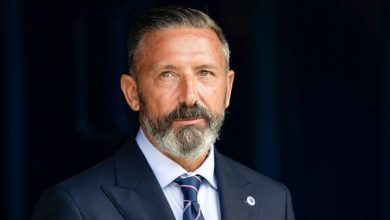
Röhl’s comments would have been interesting under any circumstances, but they have arrived at a particularly important moment for Rangers because Derek McInnes is now in charge. McInnes has been tasked with creating stability and restoring belief at Ibrox, and there is already a sense that the club is entering a different phase. Pre-season has provided an opportunity for the new manager to assess his squad, identify weaknesses and establish his tactical approach. New players are expected, while others could depart as McInnes reshapes the team. That means Rangers supporters have little reason to spend too much time worrying about a hypothetical managerial return for Röhl. The immediate priority is McInnes. He deserves the opportunity to build his own team and demonstrate what he can achieve. Every new manager needs time, particularly at a club where expectations are enormous. McInnes has to deal with the pressure of competing for trophies while simultaneously changing the culture around the squad. If he succeeds, Röhl’s comments will become little more than an interesting piece of football conversation. If McInnes struggles, however, supporters may inevitably begin looking elsewhere for answers, and Röhl’s name could potentially reappear. That is the nature of football. Former managers are rarely forgotten, particularly when they leave behind an unfinished story. McInnes therefore cannot afford to worry about what Röhl is saying. His focus must be on Rangers. The manager needs his players to understand his tactical demands, the recruitment department needs to provide the right additions and the club must begin building momentum. If that happens, there will be no reason for anyone to discuss bringing Röhl back. The best way to shut down speculation about former managers is to succeed with the current one. McInnes has the opportunity to make the entire discussion irrelevant by delivering results. Rangers supporters will ultimately judge him on trophies, performances and progress rather than what another coach says about a hypothetical return.
Another part of Röhl’s Rangers story that supporters may remember is his reported falling-out with former captain James Tavernier. That relationship became a significant talking point during Röhl’s tenure and contributed to questions about his management style. Leadership dynamics are particularly important at Rangers because the captain carries enormous responsibility both on and off the pitch. Any disagreement between a manager and a senior player can quickly become a major issue, especially when results are not going well. Röhl’s handling of the Tavernier situation has therefore remained part of the debate surrounding his time at Ibrox. Critics will argue that the situation could have been managed differently and that unnecessary tension developed within the squad. Supporters who already question Röhl’s departure will naturally use the episode as another reason why a second spell should not happen. However, it is also possible to view the situation differently. Managers sometimes have difficult relationships with senior players because they are trying to change standards and establish authority. A manager cannot always avoid confrontation. The important question is whether the disagreement ultimately benefits the team. If the relationship damages morale or disrupts the dressing room, then the manager has a problem. If it creates stronger standards and clearer leadership, it can sometimes be beneficial. The difficulty with Röhl’s situation is that the full details are known only to the people directly involved. Supporters can judge what they see from the outside, but there may have been circumstances behind the scenes that influenced the manager’s decisions. Nevertheless, the Tavernier episode will inevitably be remembered if Röhl’s name is ever seriously considered for another Rangers job. A future Rangers board would have to examine his entire record rather than simply his tactical ability. Coaching at Ibrox involves managing personalities, expectations, pressure and media attention. It requires more than football knowledge. It requires exceptional leadership. Whether Röhl has developed those qualities further since leaving Rangers is something only time will reveal.
Despite all the criticism, it would be unfair to pretend there are no arguments in favour of Röhl. The German remains a highly regarded young coach with experience in elite football environments. His work before and after Rangers demonstrates that he possesses qualities that attracted attention in the first place. Coaches do not become involved with major clubs and national teams without having considerable ability. Röhl’s coaching education and experience have helped him develop a reputation as someone with tactical knowledge and ambition. His rescue work at Sheffield Wednesday was also an indication that he could handle difficult situations. That is relevant because Rangers are not always going to be in perfect circumstances when appointing a manager. Sometimes the club needs someone capable of fixing problems quickly. Röhl has shown that he can operate under pressure. Supporters who favour a possible return could therefore argue that he should not be defined solely by the way his Rangers tenure ended. They could say that he has learned from the experience and would return as a more mature manager. His first spell would have given him an understanding of the Scottish game and the unique demands of Rangers. That knowledge could be valuable. He would not need to spend months discovering what the club is about. He would already know the expectations, the pressure and the scale of the fanbase. There is also the possibility that his coaching ability could have developed significantly since leaving. Managers improve with experience, and Röhl is still at a stage of his career where major development is possible. If he wins trophies at Salzburg and continues progressing, his reputation could become considerably stronger. At that point, Rangers supporters might look back at his first spell differently. They could wonder whether the club made a mistake by allowing him to leave. That is why his comments should not simply be dismissed. While a return may be unpopular with some fans now, football can change opinions remarkably quickly. Success has a way of rewriting history
Röhl’s description of his Rangers spell as an unfinished mission is intriguing, but unfinished business does not automatically mean a second opportunity should be granted. Football clubs cannot make major managerial decisions based on emotion. Rangers would need to evaluate whether Röhl was the right person for the job at that particular moment. They would have to examine his record, his development, his tactical approach and his ability to manage a dressing room. Most importantly, they would need to determine whether the circumstances that contributed to his departure had genuinely changed. If those issues remained, bringing him back would be risky. A manager cannot simply return to a club because he believes he has something left to prove. He must demonstrate that he is better equipped to succeed. That is particularly true at Rangers, where failure can have enormous consequences. A second appointment would come with even greater scrutiny because supporters would constantly compare his new spell with the first. Every difficult result would revive old arguments. Every tactical mistake would be viewed through the lens of his previous tenure. Every disagreement with a player would potentially become another major story. Röhl would therefore face an enormous challenge if he ever returned. He would have to win supporters over again while simultaneously proving that he had learned from his mistakes. That is possible, but it would not be easy. The Rangers board would need to be convinced that he could handle the pressure. Supporters would need to see evidence that he had matured as a coach and leader. And the squad would need to trust him. Without those ingredients, a return could become more trouble than it is worth. That is why the “unfinished mission” argument should be treated carefully. Football is not about completing every story. Sometimes a chapter ends for a reason, and the best decision is to move forward rather than attempt to rewrite the past
For now, Röhl’s future is at Red Bull Salzburg, and that is the most important point to remember. His comments make clear that his immediate ambition is to win titles with the Austrian club. He is not currently campaigning for a Rangers return, nor has he suggested that he expects McInnes to lose his job. His remarks were about the unpredictability of football and the fact that he refuses to completely rule out future possibilities. That is a fairly normal position for a football manager. Coaches often avoid closing doors because circumstances can change. What matters for Rangers is that the club does not become distracted by hypothetical scenarios. McInnes is currently responsible for the team, and the focus should be on helping him succeed. Rangers have spent too much time dealing with managerial instability in recent years. Constantly looking backward can prevent the club from establishing a clear direction. McInnes needs support, time and the right players. If he can create a winning team, the debate about Röhl will disappear naturally. The club should therefore treat Röhl’s comments as exactly what they are: an interesting statement from a former manager rather than a transfer-style declaration of intent. There is no current reason for Rangers to begin planning for his return. The focus must be on the present. Supporters have every right to remember the past and debate what went wrong, but they should also give McInnes an opportunity to write his own story. If his reign succeeds, Rangers will have no reason to revisit the Röhl era. If it fails, then the conversation may become relevant again. Football has a strange way of bringing old stories back at unexpected moments. For now, though, Röhl has his own mission at Salzburg and McInnes has his own mission at Rangers. Both men must focus on those challenges.
Perhaps the most important issue raised by Röhl’s comments is not whether he could return, but whether Rangers can finally establish enough stability that former managers stop dominating conversations about the future. The club has experienced considerable managerial turnover, and every new appointment creates another cycle of optimism, scrutiny and pressure. That is not sustainable if Rangers want long-term success. The club needs a clear footballing strategy that survives individual managerial changes. McInnes must therefore be judged not only on immediate results but also on whether he can create a sustainable foundation. Recruitment, player development, tactical identity and squad planning all matter. If those areas are strong, Rangers become less vulnerable to the instability that has affected the club in the past. Röhl’s comments are a reminder of how quickly football can return to old narratives. One sentence from a former manager has generated significant discussion about a possible future return even though Rangers currently have a manager in place. That demonstrates the level of fascination surrounding the club. Everything connected to Rangers becomes a major talking point because of the size and history of the institution. McInnes must embrace that reality while ensuring his team remains focused. The supporters will demand results, but they also want to see a clear direction. If the manager can deliver that, the club can begin moving beyond the cycle of constant change. Röhl’s comments then become little more than a footnote. If the club fails to establish stability, however, the names of former managers will inevitably continue to appear whenever results go wrong. That is why McInnes’ success is so important. Rangers do not simply need another short-term improvement. They need a manager capable of building something that lasts.
Danny Röhl’s admission that he would not rule out a return to Rangers has certainly reopened an intriguing debate, but it should not be confused with an indication that a comeback is actually being planned. The German has made it clear that his immediate priority is winning trophies with Red Bull Salzburg, while his comments about Rangers being an unfinished mission simply leave the door open for whatever the future might bring. Whether supporters should welcome that possibility is a completely different question. There is a strong argument that Röhl should not receive another opportunity. He had the Rangers job, spent eight months in charge and ultimately left when the club was still attempting to build momentum. His late-season collapse and departure remain difficult memories for supporters, while the reported tension with James Tavernier adds another layer to the debate. From that perspective, Rangers could reasonably decide that it is better to move forward and never revisit the past. However, there is also a case for giving Röhl credit for his potential. He is still a young coach, he has worked in elite football environments and his career could develop significantly in the coming years. If he becomes a highly successful manager at Salzburg, the conversation could look very different in the future. But Rangers should not make decisions based on what might happen. The club needs to concentrate on the present, and that means supporting Derek McInnes and judging him on his own performance. If McInnes delivers trophies, improves the squad and restores confidence, Röhl’s comments will become irrelevant. If Rangers eventually find themselves searching for another manager, then every credible candidate can be assessed at that time. For now, though, Röhl’s “why not?” should be viewed as an intriguing hypothetical rather than a genuine return announcement. The former Rangers boss may believe his Ibrox mission remains unfinished, but whether Rangers agree is an entirely different matter.
Would you welcome Danny Röhl back at Rangers if the club needed a new manager in the future, or should Rangers completely close the door on a second spell?