Erling Haaland drops telling hint on Pep Guardiola’s future and Man City exit timeline

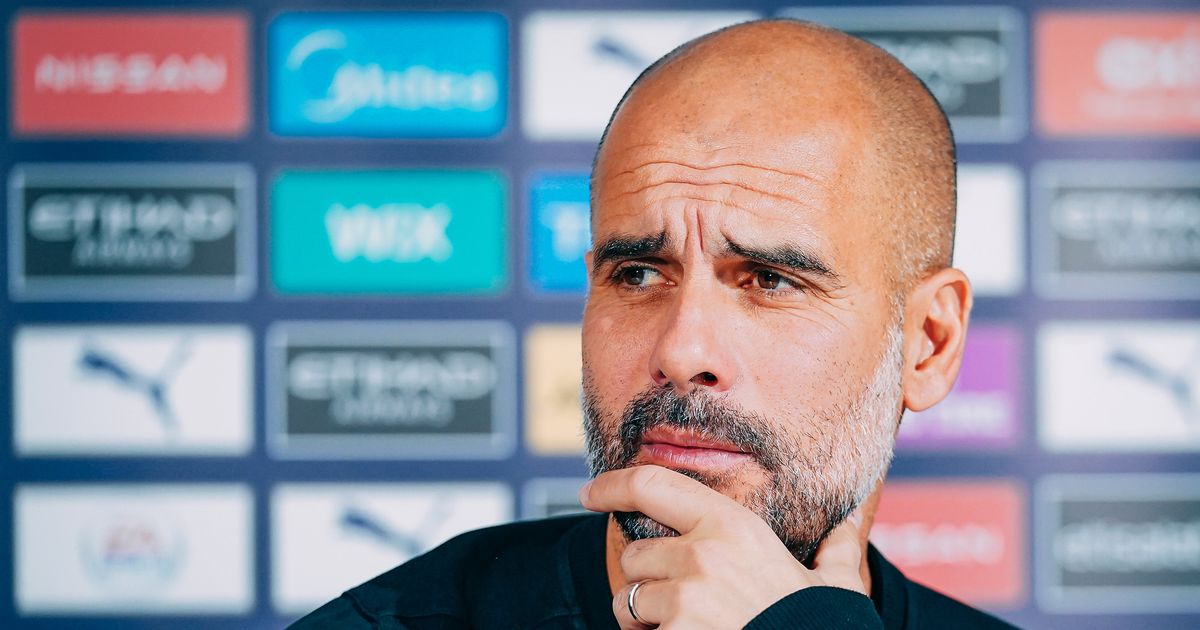
Erling Haaland has dropped a hint that has sent waves through Manchester City and the football world about Pep Guardiola’s future at the Etihad Stadium. The Norwegian striker, who has been at the club since the summer of 2022, spoke openly about his experience working under Guardiola and suggested that the Spaniard’s time at the club may be closer to ending than many expected. Haaland, who has become one of the most prolific forwards in the world since joining Manchester City, reflected on his time with Guardiola, describing it as “an amazing experience” and emphasizing the impact the manager has had on both his personal development and the club as a whole. His comments come amid growing speculation that Guardiola, whose contract runs until 2027 after a two-year extension signed in November 2024, could leave the club this summer, despite the security of his deal and his history of success in Manchester.
Manchester City, under Guardiola, have enjoyed one of the most dominant periods in the club’s history, winning multiple Premier League titles, domestic cups, and making deep runs in the UEFA Champions League. Guardiola’s tactical brilliance, attention to detail, and relentless demand for improvement from his players have been central to City’s sustained success. Haaland, whose own performance has skyrocketed during Guardiola’s tenure, credited the Spaniard for shaping the environment in which players like him can thrive. He highlighted the influence of not just Guardiola but also the entire support structure around him, emphasizing the collective effort of coaches, staff, and teammates in driving the club forward. “When I talk about good people around me, it’s not just my friends but the people at the club,” Haaland said in an interview with TNT Sports. “I’m lucky to be at a club with so many good people, and with Pep, who pushes us every single day.”
Haaland’s words also underline a subtle awareness that change may be on the horizon. While his own contract provides long-term stability, extending until 2034 after a new nine-and-a-half-year deal signed last summer, he acknowledged the uncertainty surrounding Guardiola’s future. Haaland’s remarks are measured, showing respect for the manager while also indicating that players and staff must continue to push themselves regardless of who is in charge. “I’m lucky to have worked with Pep for three-and-a-half years. It’s been an amazing time, as we all know, and no matter what happens in the future, we still need to keep pushing. I need to keep pushing myself, and others around me, to get better,” he said.
The speculation about Guardiola’s future has intensified in recent months. Despite his contract, reports have suggested that he may be considering leaving Manchester City at the end of this season. The reasons behind this are varied, including the manager’s personal ambitions, the pressure of sustained success, and perhaps the desire for a new challenge after a decade of shaping City into one of the strongest teams in Europe. Guardiola’s meticulous nature and desire to leave clubs in a better state than he found them might also play a role in his decision-making, as suggested by former players and pundits. Wayne Rooney, speaking recently about potential successors at City, emphasized that Guardiola likely sees himself as a teacher and would want to ensure the club remains strong if he leaves. “Pep will probably choose the next manager. If he is going, he will probably be part of the process to choose the next one. I just think in terms of Pep, he looks at himself as a bit of a teacher and he has been at the club for 10 years, he will want to leave the club in a good place,” Rooney said.
Manchester City have already reportedly begun assessing potential replacements in case Guardiola does depart. Enzo Maresca, the former Chelsea manager who was previously an assistant at City before leaving to join Leicester City in 2023, has been mentioned as one candidate. Maresca’s familiarity with the club’s culture, philosophy, and the players themselves makes him a natural consideration, given Guardiola’s influence on shaping City’s tactical identity. Alongside Maresca, names like Xabi Alonso and Cesc Fabregas have been floated as potential successors, reflecting the trend of clubs looking for managers who not only understand the game tactically but also carry the Guardiola-inspired emphasis on development, pressing, and ball possession. Another name, brought into discussions by Wayne Rooney, is Vincent Kompany, the former Manchester City captain and current Bayern Munich boss. Rooney highlighted that Kompany, having learned from Guardiola and achieved success at Bayern, could be the ideal candidate to continue the legacy Guardiola has built at City. “He knows the club, he has been successful with Bayern in a similar way. It looks like he has learned from Pep,” Rooney noted, suggesting that Guardiola’s influence could continue indirectly through a former player who shares his philosophy.
Haaland’s comments also carry significance when viewed against the backdrop of his own extraordinary career trajectory at Manchester City. Since arriving from Borussia Dortmund, he has been a scoring machine, amassing 153 goals in 184 appearances across all competitions. His phenomenal form has not only contributed to City’s success domestically but also positioned him as one of the world’s elite strikers. His relationship with Guardiola has been central to this, as the manager’s tactical guidance, attention to detail, and insistence on high-intensity pressing and intelligent movement have allowed Haaland to maximize his physical and technical abilities. Guardiola has tailored systems to exploit Haaland’s strengths while also demanding that he improve in areas where he can become even more complete, which has led to a remarkable evolution in Haaland’s game. The striker’s gratitude and acknowledgment of Guardiola’s influence reflect the deep respect he has for the Spaniard while also hinting at an inevitable end to this partnership at City, whether by Guardiola’s choice or the natural progression of football careers.
City fans, pundits, and the broader football world are now watching closely, weighing Haaland’s comments for hidden meanings and reading between the lines to assess Guardiola’s intentions. The speculation is further fueled by the strategic positioning of City in the managerial market. Having already begun informal assessments of potential candidates, the club is preparing for a transition, one that will inevitably affect the team, tactics, and long-term planning. Guardiola’s departure, while not imminent in terms of contractual obligations, would signal the end of an era at the Etihad, one marked by meticulous planning, record-breaking achievements, and a style of football admired worldwide. The choices for his replacement are crucial, as the next manager will have the task of maintaining high performance levels, managing player egos, and continuing the legacy Guardiola has created while potentially bringing in their own tactical nuances.
Haaland’s long-term contract until 2034 provides a degree of stability in this uncertain period. The Norwegian’s security ensures that City retain one of the most potent attacking forces in world football, even if managerial changes occur. His commitment to the club, however, is intertwined with the managerial influence he enjoys, and the end of Guardiola’s tenure could alter dynamics at the club. While Haaland has expressed a clear intention to keep improving regardless of circumstances, the future of City’s management will play a role in shaping how the team functions, the tactical approach adopted, and how the squad evolves over the coming years. The forward’s comments, therefore, are more than simple praise; they are a subtle acknowledgment of a crossroads moment for the club, where legendary leadership may soon give way to a new chapter under different guidance.
City’s pursuit of a successor involves careful consideration of candidates who embody Guardiola’s philosophy, understand the culture he instilled, and can navigate the pressures of managing one of Europe’s top clubs. Enzo Maresca’s name continues to appear due to his prior experience as City’s assistant manager, his familiarity with the squad, and the potential to maintain continuity. Xabi Alonso, a manager with a deep understanding of Guardiola’s methods from his playing days and coaching progression, and Cesc Fabregas, another former midfielder well-versed in top-level football, are also mentioned. Vincent Kompany, however, represents the perfect blend of Guardiola disciple and managerial success in his own right. Kompany’s return would symbolize a bridge between Guardiola’s era and a new phase for City, maintaining the attacking philosophy while integrating his own insights and experiences gained during his time in Germany. Rooney’s advocacy for Kompany also indicates the high regard in which former players and pundits hold the former captain’s tactical acumen and leadership qualities, which could be critical in navigating the post-Guardiola era successfully.
As this situation unfolds, Manchester City’s fans are left with a mixture of anticipation and anxiety. Guardiola’s influence is monumental, shaping not only matchday tactics but also player development, recruitment philosophy, and the broader identity of the club. The transition period, whenever it occurs, must balance maintaining performance levels with a seamless shift in leadership style. Haaland’s comments serve as both a tribute to Guardiola’s impact and a reminder of the potential uncertainty ahead. They reflect the dual reality for players: respect for a transformative figure and awareness of the need to continue pushing forward in the face of change. The striker’s acknowledgment of the “good people” around him underscores the broader importance of a strong support network at the club, which will be essential regardless of managerial changes.
In conclusion, Erling Haaland’s recent remarks about Pep Guardiola have added fuel to the ongoing speculation surrounding the Spaniard’s future at Manchester City. Haaland expressed deep respect for Guardiola, highlighting his transformative influence and the environment of excellence he has fostered. At the same time, his comments subtly hinted at the possibility that Guardiola’s time at City may be approaching an end, despite his contract running until 2027. Manchester City are reportedly preparing for this eventuality, exploring potential replacements including Enzo Maresca, Xabi Alonso, Cesc Fabregas, and Vincent Kompany. Haaland’s long-term contract until 2034 ensures continuity in attack, but the managerial situation represents a critical juncture for the club, one that could redefine tactics, leadership, and the next chapter in City’s footballing history. The football world will now watch closely as the story develops, eagerly anticipating Guardiola’s decision and the implications it will have on the future of one of Europe’s most successful and admired clubs. Haaland’s words serve as a measured yet telling reminder that even at the highest levels of football, change is always on the horizon, and the legacies of great managers are often defined by the way they exit as much as by the triumphs they achieve while in charge.
This narrative about Guardiola, Haaland, and Manchester City’s future illustrates the delicate balance between player experience, managerial influence, and club continuity. It highlights how the careers of players and managers are intertwined, how clubs must prepare for transitions even during periods of dominance, and how subtle comments can reveal deeper undercurrents about the future. Haaland’s measured praise, coupled with hints of uncertainty, paints a picture of a club at a crossroads, one where the departure of a transformative manager like Guardiola could lead to both challenges and opportunities. Fans, pundits, and players alike are left to ponder how the next chapter will unfold, how successors will navigate Guardiola’s legacy, and how Manchester City will continue to compete at the highest levels in England and Europe. Guardiola’s meticulous approach, combined with Haaland’s raw talent and drive, has produced a golden period in City’s history, and the looming question of who will succeed him adds an element of suspense and intrigue that captivates the footballing world.
Haaland’s comments also invite reflection on the nature of football management and the pressures inherent in sustaining success. Guardiola’s methods are intense, demanding, and highly structured, which has contributed to his effectiveness but may also create natural endpoints for his tenure. Players adapt to his philosophy, and the club culture evolves under his guidance, but eventually, transitions become necessary, either due to personal ambition, professional fatigue, or the desire for new challenges. Haaland’s acknowledgment of the support network around him suggests an understanding that football is a collective effort and that continuity relies not solely on the manager but also on the culture, the squad, and the club’s infrastructure. This nuanced perspective adds depth to his comments, signaling maturity and awareness of the broader dynamics at play in a top-tier club like Manchester City.
Moreover, Haaland’s reflections underscore the symbiotic relationship between a manager like Guardiola and a player of his caliber. Guardiola’s tactical systems allow Haaland to maximize his attributes, while Haaland’s scoring prowess validates Guardiola’s methods and decisions. The potential departure of Guardiola raises questions not only about the manager’s replacement but also about how players of Haaland’s quality will respond to new leadership. Will they continue to thrive under a successor, or will adjustments be needed to maintain peak performance? The stakes are high, and Manchester City’s leadership must navigate this period carefully to ensure stability while embracing the inevitable change that comes with the departure of a legendary figure.
The unfolding situation also highlights the strategic approach of Manchester City in preparing for possible managerial changes. By identifying candidates like Maresca, Alonso, Fabregas, and Kompany early, the club demonstrates foresight in balancing continuity with the potential for fresh ideas. This approach reflects an understanding of the delicate transition process, where maintaining the team’s competitive edge must be balanced with integrating a new leader who can sustain Guardiola’s winning mentality while potentially imprinting their own philosophy. Haaland’s long-term presence at the club, combined with a strong support network, may help mitigate the uncertainty, providing continuity and stability in a period of managerial change.
As fans digest Haaland’s comments, the media and football pundits will continue to analyze every word for signs of Guardiola’s intentions. Such hints, even when subtle, often spark speculation and debate, fueling narratives about the future of one of the world’s leading football clubs. Haaland’s tactful remarks, expressing gratitude while acknowledging uncertainty, illustrate the complex dynamics between players, managers, and clubs in elite football. They reveal how even seemingly simple statements can carry layered meanings about leadership, succession, and legacy.
In the final analysis, Erling Haaland’s recent comments about Pep Guardiola are more than a reflection on a successful partnership; they are a snapshot of a club at a potential turning point. Guardiola’s possible departure, the identification of potential successors, and Haaland’s acknowledgment of both his gratitude and the need to keep striving all paint a picture of a dynamic, forward-looking Manchester City. The next steps, whether Guardiola stays or moves on, will shape the club’s identity, influence tactical approaches, and affect the careers of key players like Haaland. The footballing world watches with anticipation, knowing that the end of Guardiola’s era, whenever it comes, will be a defining moment for Manchester City, and that the subtle hints dropped by a player like Haaland are often the first signposts of significant change.
Haaland’s insight, coupled with the speculation around Guardiola’s future, ensures that this story will remain at the forefront of football discussions for months to come. The interaction between a manager’s legacy and a player’s trajectory exemplifies the delicate balancing act in top-flight football, where leadership, performance, and ambition converge to define both present success and future potential. Manchester City’s approach, including preparation for managerial transition, long-term player contracts, and fostering a strong internal culture, reflects the club’s ambition to remain at the pinnacle of European football, regardless of the changes that lie ahead. Haaland’s words are both a celebration of Guardiola’s achievements and a subtle acknowledgment that football, like life, is always evolving, and that even the greatest eras eventually give way to new beginnings.
In essence, Haaland’s comments are a reminder that the relationship between players and managers is central to football’s success story. Guardiola has shaped a generation at Manchester City, instilling a philosophy that emphasizes intelligence, adaptability, and relentless pursuit of improvement. Haaland has benefited directly from this environment, flourishing as a striker and maturing as a professional. The possibility of Guardiola’s departure adds intrigue to this narrative, highlighting how leadership transitions are pivotal moments that test a club’s resilience, strategy, and vision. Fans and analysts alike will be watching closely, interpreting every development, as Manchester City prepares for the next chapter in its ambitious journey. Haaland’s words, layered with admiration and subtle hints, offer a rare glimpse into the internal dynamics of a top-tier club and the factors influencing both managerial and player decisions in elite football.
The discussion around Guardiola, Haaland, and Manchester City also serves as a broader lesson about continuity and change in football. Successful teams are built not only on talent but also on leadership, culture, and strategic planning. Guardiola’s potential exit underscores the importance of succession planning, while Haaland’s perspective emphasizes the player’s role in sustaining performance amidst change. This interconnectedness between management, players, and club philosophy ensures that transitions are managed effectively, preserving competitive standards while allowing new leadership to leave its mark. Manchester City’s careful approach to potential successors, the presence of a stable core in players like Haaland, and the nurturing of a strong support network all contribute to a model that balances stability with the inevitability of evolution in football.
As the story develops, it is clear that Haaland’s comments are both a tribute and a strategic signal. They celebrate the achievements of Guardiola while simultaneously acknowledging that change may be near. This duality captures the tension between respect for the past and anticipation of the future, a common theme in elite football where managers’ legacies and players’ careers are deeply intertwined. Haaland’s measured praise, recognition of the support system, and subtle hints about the future reflect a sophisticated understanding of his environment, the dynamics at play, and the importance of continuous growth, regardless of leadership changes.
In conclusion, the situation at Manchester City, highlighted by Erling Haaland’s remarks about Pep Guardiola, represents a pivotal moment for one of Europe’s leading football clubs. Guardiola’s influence has been transformative, shaping the club’s tactical identity, culture, and success. Haaland, as one of the key figures in the team, has flourished under his guidance and expressed deep respect for the manager’s impact. The speculation about Guardiola’s future, the potential successors being considered, and the strategic planning by City underscore the complexity of managing a top-tier football club. Haaland’s comments offer insight into the internal dynamics, celebrate past achievements, and acknowledge the uncertainties that lie ahead, encapsulating the intricate balance between legacy, transition, and ambition that defines modern football. The coming months will be decisive, as Guardiola’s decision and City’s managerial strategy will shape the next era of the club, with Haaland and his teammates at the heart of this unfolding story.
This evolving narrative highlights the symbiotic relationship between manager and player, the importance of succession planning, and the delicate management of change at the highest levels of football. Haaland’s words, while brief, carry significant weight, signaling admiration, gratitude, and awareness of potential change. For Manchester City, the future is poised at a crossroads, with Guardiola’s legacy forming the foundation upon which new ambitions will be built, and Haaland’s ongoing career providing a critical pillar of continuity. Football fans around the world will continue to watch, analyze, and debate these developments, knowing that the choices made now will resonate for years to come, both in terms of trophies and the enduring identity of one of Europe’s most iconic football clubs.
Haaland’s hint is subtle yet powerful, suggesting that the golden era under Guardiola may be reaching its climax, while also reminding everyone that football is a game of constant evolution. Players, managers, and clubs must adapt, prepare, and push forward regardless of uncertainties. Guardiola’s meticulous approach, combined with Haaland’s extraordinary talents, has set a high bar for the club, and the potential managerial transition adds a layer of intrigue to Manchester City’s ongoing story. The footballing world now waits, anticipating announcements, developments, and the continuation of a saga that has defined the modern era of the Premier League and European football.
Erling Haaland’s reflections are