Ex-Rangers Captain Latest Ibrox Hero to Say Club Should Have Kept James Tavernier

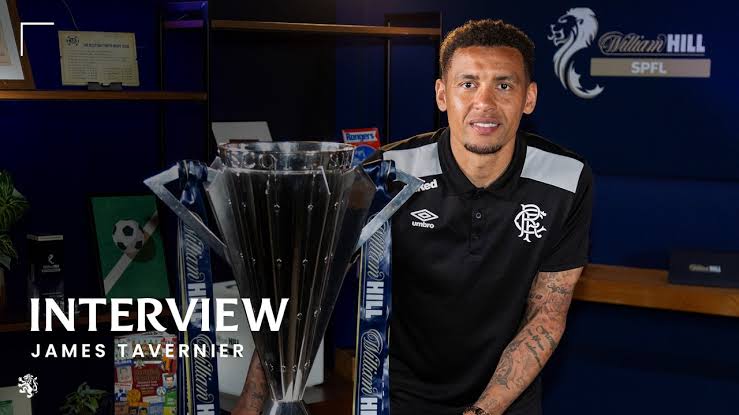
James Tavernier may have left Rangers, but the debate over whether the club made the right decision to let one of its longest-serving players walk away is showing no signs of disappearing. The former Rangers captain has become the latest Ibrox hero to suggest that the club should have found a way to keep Tavernier, adding another voice to a conversation that has divided supporters. Tavernier spent more than a decade at Rangers and became one of the most recognisable figures of the modern era. Although his time as captain was sometimes surrounded by criticism, there is no denying the enormous contribution he made to the club.
Tavernier’s departure brought the end of an important chapter at Ibrox. He had been part of Rangers through several different managers, difficult rebuilding periods, European campaigns and major domestic battles. He also experienced the unforgettable moment when Rangers finally ended Celtic’s long wait for another Premiership title in the 2020/21 season. For many supporters, his time at the club will always be remembered because of his attacking contribution from defence. His goals, assists, penalties and set-piece deliveries made him far more than a traditional right-back.
The latest comments from the former Rangers captain have now added fresh fuel to the argument that Tavernier still had something to offer. The belief is that Rangers may have benefited from keeping an experienced player who already understood the pressure surrounding the club. Tavernier knew exactly what was expected at Ibrox and had spent years dealing with the intense scrutiny that comes with playing for Rangers. That experience is difficult to replace, particularly when a club is going through another period of transition.
There were, of course, plenty of supporters who believed it was the right time for Rangers to move on. Tavernier had been at the club for a very long time, and some felt that a new manager needed the freedom to build a squad around different players. Others believed Rangers needed to become younger and more energetic and that the club could not continue depending on players from previous eras. Those arguments are understandable, but the decision to let Tavernier go also meant Rangers were losing a player who had contributed consistently in the final third.
His numbers alone explain why so many people continue to discuss him. Tavernier made 565 appearances for Rangers and scored 144 goals, an extraordinary record for a defender. He became one of the club’s most reliable penalty takers and was often involved in creating chances from the right side. His attacking numbers were particularly impressive because Rangers regularly depended on him to provide an additional threat when opponents sat deep.
That is why the former captain’s comments are likely to resonate with many Rangers supporters. The argument is not simply about sentiment or loyalty. It is about what Tavernier could still have contributed to the team. Even if he was no longer expected to play every minute of every match, his experience could have been valuable inside the dressing room and during difficult games. A player does not need to be at his absolute peak to have an important role in a squad.
Rangers are now attempting to build a new team under Derek McInnes, and the manager has inherited a squad that needs to produce results quickly. The pressure at Ibrox is always enormous, and every poor performance creates another round of questions. That makes experienced players particularly valuable. Young players can have enormous potential, but they cannot instantly develop the knowledge gained from years of playing in high-pressure matches.
Tavernier had already been through almost every situation imaginable at Rangers. He had played in Old Firm matches, title races, European fixtures and games where the pressure was enormous. He had also experienced periods when supporters questioned his performances and leadership. Through all of that, he remained involved and continued to contribute goals. That experience would have been useful to any new-look Rangers squad.
The club has already moved to give Lawrence Shankland the captaincy, signalling a clear change of direction. Shankland now has the responsibility of leading Rangers into a new era, and supporters will hope he can develop into an influential figure at Ibrox. However, becoming captain and replacing a long-serving captain are two completely different things. Tavernier had years to build his reputation and understand the demands of the role.
That does not mean Shankland cannot become an even better leader. Football is constantly changing, and Rangers have to look towards the future. But the transition becomes more difficult when the player being replaced has been such a central figure for so long. Tavernier’s departure means the club has to replace not only his position on the pitch but also his experience and influence away from it.
The debate becomes even more interesting because Tavernier remains available after leaving Rangers. Had he immediately joined another major club and continued producing at a high level, Rangers supporters might have accepted that the decision was simply part of football. Instead, his continued availability naturally raises the question of whether Rangers could have kept him for another season while gradually preparing a younger replacement.
There is no guarantee that bringing Tavernier back would solve Rangers’ current problems. Football is never that simple. A single player cannot fix every weakness in a team, and Rangers’ current challenges involve more than one position. The club has changed its manager, recruited new players and attempted to establish a different style of football. Tavernier alone would not suddenly transform everything.
However, having him available as an experienced option could have been useful. Rangers need players who can take responsibility when matches become difficult. Tavernier had repeatedly shown that he was comfortable taking penalties and getting forward when the team needed another attacking threat. His ability to contribute from defence gave Rangers another dimension that may not be easy to reproduce.
The former captain’s record is especially impressive when placed in the context of modern football. Full-backs are now expected to attack, defend, create chances and contribute goals. Tavernier embraced that role at Rangers. He often found himself in advanced positions and became a regular part of the team’s attacking moves. His delivery from the right side was another important weapon.
At times, his attacking approach also exposed him defensively. That became one of the main criticisms directed towards him during his Rangers career. Some supporters believed he could leave too much space behind him and that his defensive performances were not always at the same level as his attacking contribution. Those criticisms should not simply be ignored.
But footballers are rarely perfect. Every player has weaknesses, and the important question is whether their strengths outweigh their weaknesses. In Tavernier’s case, his statistics suggest that his overall contribution was significant. Scoring 144 goals as a defender for one club is not something that can be dismissed.
There is also the psychological side of playing for Rangers. The captain carries enormous responsibility because every match matters. A poor run of results can quickly become a crisis, and players have to deal with criticism from supporters and the media. Tavernier experienced that pressure for years, which means he understood how to survive in an environment where expectations are extremely high.
That knowledge could have been particularly useful to younger players coming into the Rangers squad. A dressing room containing experienced figures can help younger footballers adapt to the demands of a major club. Tavernier knew the standards required at Ibrox and understood the importance of performing consistently.
The decision to let him leave therefore represents a calculated risk. Rangers clearly believe that the future of the team requires change, and there is nothing wrong with that approach. Football clubs cannot remain trapped in the past. At some point, every successful team needs to refresh its squad and introduce new players.
The problem is that rebuilding only works when the players who leave are properly replaced. If Rangers can find a right-back who offers greater defensive security while contributing goals and assists, the decision will eventually look sensible. If the replacement performs even better, Tavernier’s departure will become little more than a footnote.
But if Rangers struggle to replace his contribution, supporters will inevitably return to the same question. Could the club have benefited from keeping him for another year? That question will become even louder if Tavernier joins another club and continues performing at a high level.
For now, there is still no final answer. Rangers have to move forward with the players available to McInnes. The manager cannot spend the season looking backwards. He must develop his team, improve performances and compete for trophies.
But the comments from the former Rangers captain show that the Tavernier debate is far from finished. His legacy at Ibrox remains complicated, but it is also significant. He was not a perfect player, and he was not universally loved, but his contribution over 11 years cannot be ignored.
He arrived at Rangers as a relatively unknown full-back and eventually became the club’s captain. He went through difficult periods, experienced success and became one of the highest-scoring defenders in the club’s history. His career at Rangers was long enough to become part of the club’s modern identity.
That is why his departure has created such a strong reaction. Supporters are not simply discussing the loss of a right-back. They are discussing the loss of a player who represented an entire era of Rangers football.
The new Rangers team will now have to create its own identity. Shankland has inherited the captaincy, new players have arrived and McInnes has his own plans for the squad. If those changes produce success, few people will continue questioning the decision to allow Tavernier to leave But football has a habit of reopening old arguments.
Every time Rangers struggle to create chances from the right side, every time the team needs a penalty taker, and every time an inexperienced player struggles under pressure, someone will remember Tavernier. That is the price of losing a player who spent 11 years at the club.
For supporters who believe Rangers should have kept him, the latest comments from the former captain will provide plenty of encouragement. They will argue that experience cannot simply be replaced and that Tavernier still had enough quality to make a difference.
Those who supported the decision will point to the need for change and the importance of building for the future. They will argue that Rangers cannot keep every veteran player simply because of what he achieved in the past. Both arguments have merit.
Ultimately, the answer will be determined on the pitch. If Rangers win trophies and develop into a stronger side without Tavernier, the decision will look justified. If they struggle while Tavernier continues to perform elsewhere, the criticism will become difficult to avoid.
For now, however, one thing is certain: James Tavernier’s Rangers story is not over in the minds of supporters.
His name continues to appear whenever the club discusses leadership, goals from defence, experience and the difficult process of rebuilding a squad. And with another former Rangers captain now saying the club should have kept him, the debate has received another major boost.
Tavernier may no longer be walking out at Ibrox wearing the Rangers armband, but his influence remains. The club has moved into a new era, yet the shadow of one of its longest-serving modern players is still there.
The question for Rangers is simple: was allowing James Tavernier to leave the beginning of a necessary rebuild, or was it a decision the club could eventually regret?
Only the performances and results of the new Rangers team will provide the answer.