Rangers new coach faces four match ban, this is the only way rangers can appeal

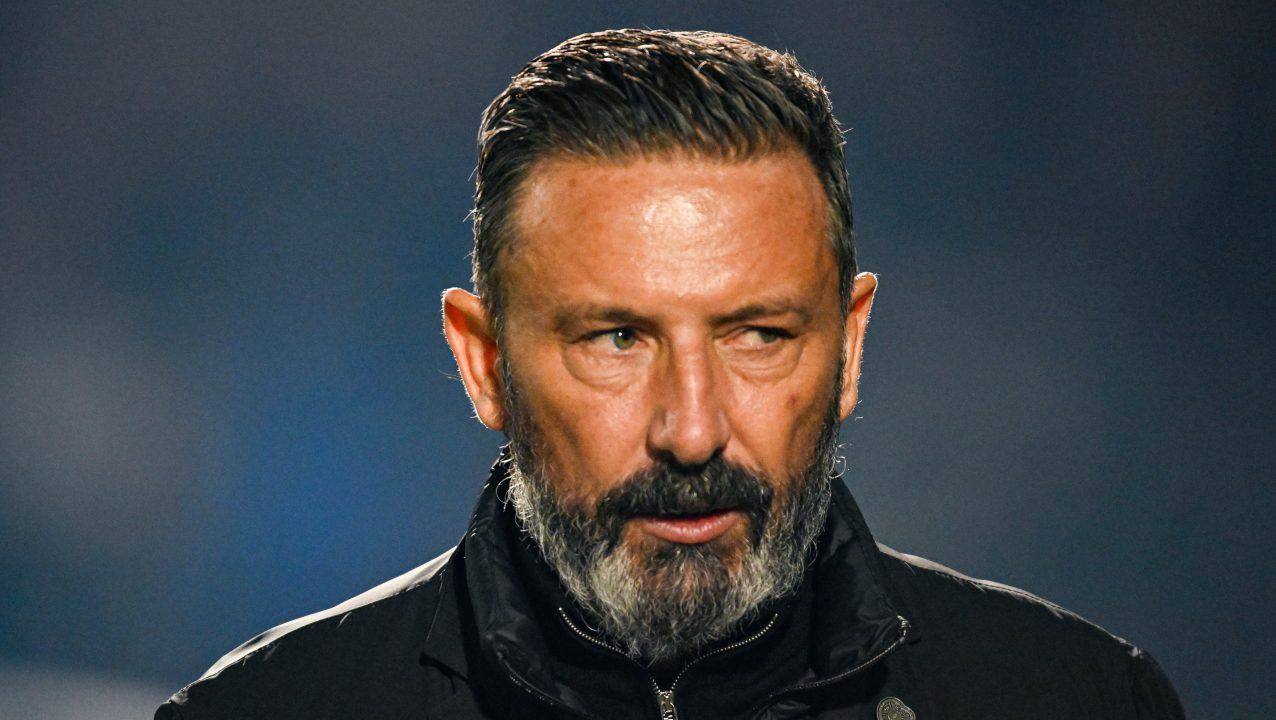
Derek McInnes will begin his reign as Rangers manager watching from the stands rather than the dugout, after being handed a four-match touchline ban by the Scottish Football Association over comments he made while still in charge of Hearts last season. The punishment relates to remarks McInnes made describing a stoppage-time VAR penalty award to Celtic against Motherwell as “disgusting” — a decision that ultimately played a pivotal role in deciding the destination of last season’s Scottish Premiership title. The SFA confirmed on Wednesday that McInnes would receive the four-match suspension, with one of those matches suspended until the end of the 2026-27 campaign, following a disciplinary hearing at Hampden Park that found the charge against him proven.
To understand why this incident carries so much weight, it’s worth revisiting exactly what unfolded on that dramatic final weekend of last season’s title race. McInnes, in his previous role as Hearts manager, watched his side beat Falkirk 3-0 in the penultimate game of the William Hill Premiership campaign. That result meant Hearts — chasing a first title since 1960 — would have gone into the final day needing Celtic to avoid nothing worse than a three-goal defeat at Parkhead to keep the championship in Gorgie. That equation changed dramatically just hours later. Celtic, playing away at Motherwell’s Fir Park, were awarded a stoppage-time penalty by referee John Beaton after an intervention from VAR official Andrew Dallas. Kelechi Iheanacho stepped up and converted to seal a 3-2 win for Celtic, a result that meant Martin O’Neill’s side would only need any victory at all on the final day to retain the title for a fifth consecutive season — which they duly went on to do with another late winner.
For Hearts and their supporters, watching their title hopes effectively extinguished by a stoppage-time VAR call at a different ground entirely was a bitter pill to swallow. Asked for his reaction to the penalty decision after his own side’s win over Falkirk, McInnes didn’t hold back, branding the call “disgusting” — a comment that would go on to have significant consequences for him months later, after he’d since moved on to take charge at Ibrox. That single word ultimately led to McInnes being charged with breaching rule 72 of the SFA’s disciplinary guidelines, with an official Notice of Complaint issued against him. Following Wednesday’s hearing at Hampden, the charge was found proven, resulting in the four-match ban, with one game suspended until the end of the new season.
The timing is particularly awkward given McInnes only recently took charge at Ibrox. Rangers begin their league campaign away at Dundee United on Friday week, and the ban means the new Gers boss will be barred from the touchline for that opening fixture. The suspension also extends to home matches against Hibernian and St Mirren, meaning three of Rangers’ opening Premiership fixtures under McInnes will take place without him present in his usual matchday capacity.
Notably, McInnes isn’t the only figure to have faced disciplinary action stemming from that controversial night at Fir Park. Elliot Watt, who was playing for Motherwell at the time and has since moved on to Turkish club Samsunspor, received his own four-match suspension after taking to his X account to describe the same penalty decision as “the worst VAR decision in history.” Watt was charged under the same rule 72 provisions that would later catch up with McInnes, with the SFA’s guidelines making clear that players and officials should not criticise refereeing decisions or make comments that impinge on the character of a match official. The fact that both a player directly involved in the game and a rival manager reacting to it from afar have now been sanctioned under the same rule underlines just how seriously the governing body has treated the fallout from that stoppage-time controversy.
For Rangers, the practical upshot is a manager unable to operate from the touchline for three of his first four competitive matches in charge, right at the point when he’s still bedding in a host of new summer signings and establishing his methods with a freshly assembled squad. It’s an unwelcome complication during what should otherwise be a period of optimism and momentum building at Ibrox following an active transfer window. Assistant coaches will need to take on a greater in-game role during this period, communicating instructions and making the real-time tactical calls that would normally fall to McInnes himself. It won’t derail preparations entirely, but for a manager still finding his feet at a new club, losing that pitch-side presence for the opening weeks of the season is far from ideal timing.
The wider story here also speaks to an issue that continues to dominate conversation in Scottish football: the SFA’s evident determination to clamp down hard on any public criticism of officiating standards, whether that criticism comes from players, managers, or anyone else connected to the professional game. Given how central that stoppage-time penalty call proved to be in deciding the destination of the title, it’s perhaps unsurprising that emotions ran high — but the SFA’s response makes clear that strength of feeling alone won’t be treated as a mitigating factor when rule 72 is invoked.