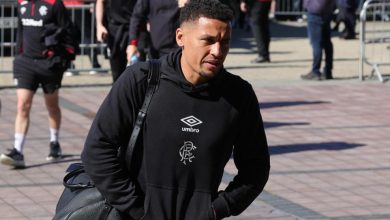
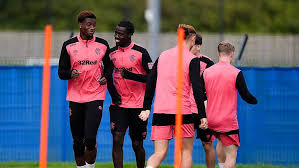
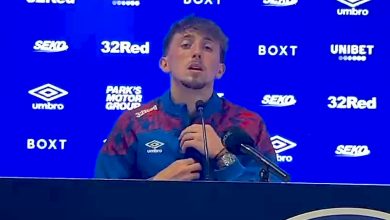
Same Result, Different Mood: Derek McInnes Preaches Patience As Rangers Begin New Era With Tannadice Stalemate

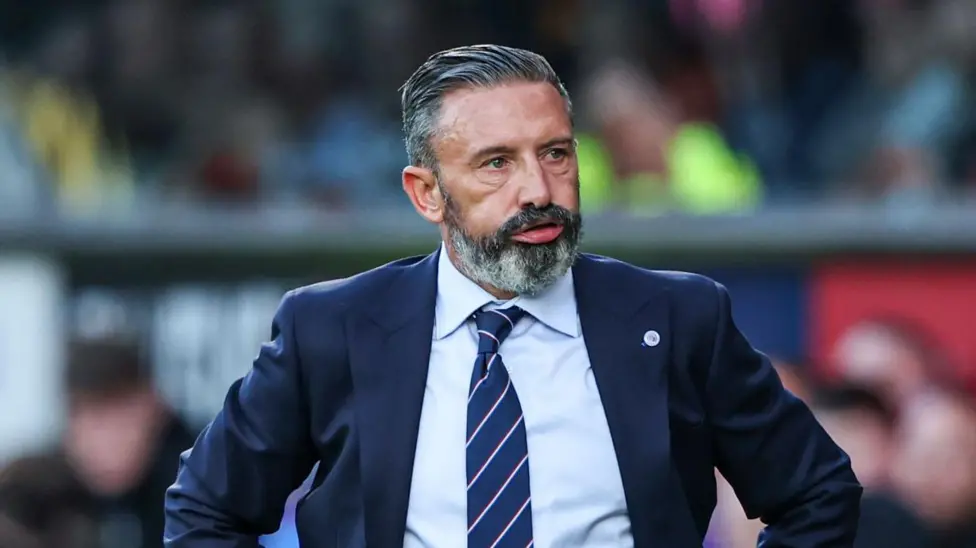
There was a strange sense of familiarity about the way Rangers began their season at Dundee United, drawing 1-1 at Tannadice in a scoreline that mirrored the opening-day result under Russell Martin twelve months earlier, yet the mood surrounding the club felt entirely different this time around. Where Martin had been openly critical of his players after that earlier stalemate at Motherwell, Derek McInnes struck a far more measured and patient tone following his first competitive match in senior management at Ibrox, choosing instead to focus on the bigger picture as he begins the process of rebuilding a Rangers side that has been through considerable upheaval over the course of the summer.
The former Aberdeen, Kilmarnock, and Hearts manager was quick to stress that further additions to his squad remain necessary as he continues guiding the club through what is clearly still very much a period of transition, both in terms of playing personnel and tactical identity. Speaking to Sky Sports after the final whistle, McInnes made clear his focus lay firmly on the road ahead rather than dwelling on what had gone before at the club, insisting that improvement would come gradually as his group continues to develop together under his management. It was a notably composed response given the circumstances, reflecting an experienced manager well versed in the importance of not overreacting to a single result on the opening day of a long league campaign.
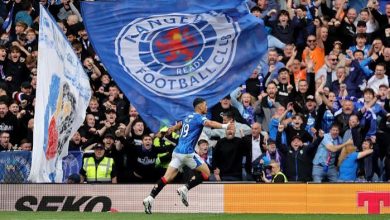
The match itself followed something of a rollercoaster pattern for the visitors. Rangers found themselves behind in the first half courtesy of a goal from Lachlan Rose, but responded well after the interval, drawing level through a well-taken effort from Thelo Aasgaard, who was widely regarded as one of the more impressive performers on the pitch for the Ibrox side throughout the ninety minutes. Despite that improved second-half showing, McInnes’s side were unable to find a winner and were fortunate not to concede again late on, with Jesse Randall guilty of failing to make the most of a presentable chance, firing tamely straight at debutant goalkeeper Ivor Pandur when a more clinical finish might well have snatched all three points for the hosts. McInnes acknowledged afterward that dropping points was disappointing, conceding that his side simply hadn’t done enough across the match to deserve the full haul, while also stressing the need for greater trust in the team’s overall approach and more consistent execution of the basics going forward.
Reaction from pundits and former players in the aftermath of the match struck a broadly sympathetic tone toward McInnes and his players, with the overriding sentiment being that opening-day results at difficult away venues should be kept firmly in perspective rather than triggering any immediate concern. Former Rangers striker Steven Thompson, speaking on BBC Radio Scotland, echoed McInnes’s own view that there was little need for alarm, pointing out that a point away from home at a notoriously tricky venue represented a reasonable outcome in the context of the wider season, and suggesting that other visiting sides would likely find Tannadice similarly difficult to negotiate throughout the campaign. Thompson was clear that this was not the kind of moment that called for any hasty reaction, arguing that a fairer judgment on McInnes’s Rangers could only really be formed once the new head coach had brought in the additional players he wants and had further time on the training ground to properly implement his ideas. He suggested there would have been plenty for McInnes to take away and learn from regarding his players based on this first outing alone.
The occasion itself carried significant symbolic weight beyond the result, offering supporters their very first proper look at how this heavily reshaped Rangers squad might function together on the pitch under their new manager. Four summer signings were named in the starting eleven from the outset, with Pandur handed the goalkeeping duties, Ben Godfrey selected at the heart of the defence, and former Hearts duo Cammy Devlin and Lawrence Shankland both included further up the pitch, all four making their competitive bows for the club in the same fixture. It was a considerable show of faith from McInnes to throw so many new faces into his starting line-up simultaneously in a season opener, and while the result itself may not have been the ideal outcome he was hoping for, it did at least provide an early glimpse into the identity of the team he is looking to build over the course of the campaign. Further summer arrivals Dan Neil and Ross McCrorie were introduced from the substitutes’ bench as the match progressed, continuing what has already been an extraordinarily busy period of incoming transfer business at Ibrox, with McInnes making clear that this window of activity is far from finished and further additions to the squad remain firmly on the agenda in the weeks ahead.
Not every observer was quite so forgiving of what unfolded on the pitch, however, with former Rangers full-back Andy Halliday offering a more critical assessment of the tactical shape McInnes had set his side up in. Speaking on the BBC’s Sportsound programme, Halliday argued that regardless of how many defensive players a team fields, the fundamental requirement remains compactness across the pitch, and he felt that Rangers had been about as far removed from that principle as it was possible to be during large periods of the match. He went further still, suggesting that with the exception of Aasgaard, it had been Dundee United’s individual performers who had stood out as the better players on the night, a pointed observation given the scale of investment Rangers have made in rebuilding their squad over the summer. Halliday’s overall assessment was that Rangers remain very much a work in progress, one that he expects will continue to see further reinforcements arrive as the club looks to address the shortcomings exposed at Tannadice, even if this particular opening fixture did not provide the kind of start McInnes and his players would have wanted.
Compounding the challenges of the evening, Rangers were also left to contend with fresh defensive concerns after Godfrey was forced off the pitch with what appeared to be a hamstring problem, adding an unwelcome layer of uncertainty to the club’s preparations for the week ahead. There is also lingering doubt over the immediate availability of new signing Olwethu Makhanya, with question marks remaining over whether the necessary visa arrangements will be sorted in time for the South African’s involvement in Thursday’s Europa League qualifying trip to face Jagiellonia Bialystok, a fixture that arrives at an extremely inconvenient moment given the timing of Godfrey’s injury setback. Between the defensive injury concern and the uncertainty surrounding Makhanya’s eligibility for the midweek European fixture, Rangers now find themselves needing to identify further defensive reinforcements as a matter of some urgency, adding yet another item to an already lengthy list of priorities as the transfer window edges toward its conclusion.
Despite those pressing defensive concerns, it is out in the wide areas of the pitch where McInnes has been most vocal about his desire to add further quality before the window shuts. Djeidi Gassama was given the nod to start on the left flank at Tannadice but endured a difficult evening, being withdrawn at half-time as McInnes opted to reshape his side’s attacking approach for the second period. With Gassama removed from proceedings, Rangers ultimately finished the match with both Mohamed Diomande and Aasgaard operating in narrower positions across the front line, a tactical adjustment that appeared to help the side find a way back into the contest but which also underlined the current lack of a genuine, out-and-out wide threat within the existing squad.
Reflecting on that particular issue afterward, McInnes explained to Sky Sports that as the second half opened up and space became available out wide, Rangers had lacked the individual quality needed to properly exploit those areas by beating defenders in one-on-one situations. He was candid in acknowledging that the club continues to search for a winger capable of taking on opponents directly, making a genuine difference in the final third, and forcing defenders onto the back foot through pace and directness. According to McInnes, that specific attacking quality has been notably absent from his side so far, and he confirmed that the club is working hard to bring those types of players in, acknowledging that his current group of strikers remain heavily reliant on service being created for them by others further back, service that has so far proven difficult to consistently generate given the shortage of a genuinely direct wide outlet within the squad.
That admission from McInnes ties in closely with the flurry of winger-related transfer speculation that has surrounded Rangers throughout the closing stages of the summer window, with names such as Amario Cozier-Duberry, Vaclav Cerny, and Fares Ghedjemis among those repeatedly linked with a move to Ibrox in recent weeks. Given the head coach’s own public acknowledgement of the problem area, and the tactical issues that were laid bare during the closing stages of the Dundee United fixture, it now appears more likely than ever that Rangers will move decisively to address this specific issue before the transfer deadline arrives, with McInnes making clear there remains a very definite type of player the club is targeting to fill that particular void in his squad.
Taken as a whole, the picture emerging from this opening fixture is one of a Rangers side still very much in the process of finding its identity under new management, containing plenty of individual promise among the newly assembled group but lacking, for now, the cohesion and wide attacking threat needed to turn a hard-fought point into a maximum return. McInnes himself appears fully aware of both the challenges and the opportunities that lie ahead, striking a tone throughout his post-match comments that suggested patience, incremental progress, and further squad additions rather than any dramatic overreaction to a single result on the opening weekend of the season. With defensive concerns now also added to the mix following Godfrey’s injury and the uncertainty surrounding Makhanya’s availability for Thursday’s European qualifier, the coming days promise to be a busy and significant period for Rangers as they look to address multiple areas of concern simultaneously, all while preparing for a Europa League qualifying tie that arrives with barely any time to recover from the opening-day exertions at Tannadice.
For a club that has invested so heavily and so extensively in reshaping its squad over the course of the summer, there will understandably be a desire to see tangible signs of progress sooner rather than later, yet the early signals from within Ibrox suggest a management team prepared to take a longer view, trusting in the process of integration and further recruitment rather than searching for quick fixes after a single draw on the road. Whether that patience proves justified will depend heavily on how quickly McInnes can address the specific issues already identified, both defensively and out wide, with the Europa League qualifier against Jagiellonia Bialystok now offering the very next opportunity to build on the foundations, however imperfect, that were laid during this opening weekend of Scottish Premiership action.